What happened
Climate campaign group 350 Türkiye held an action in a wildfire-affected part of Aksu, Antalya, following a forest fire that began on 7 September and was brought under control 67.5 hours later. The activists displayed a banner stating that the climate crisis was present in the area.
The location is a few kilometres from the planned COP31 venue. In comments reported by İklim Haber, the group said rising temperatures and drought linked to climate change can make fires easier to ignite, faster to spread and more destructive.
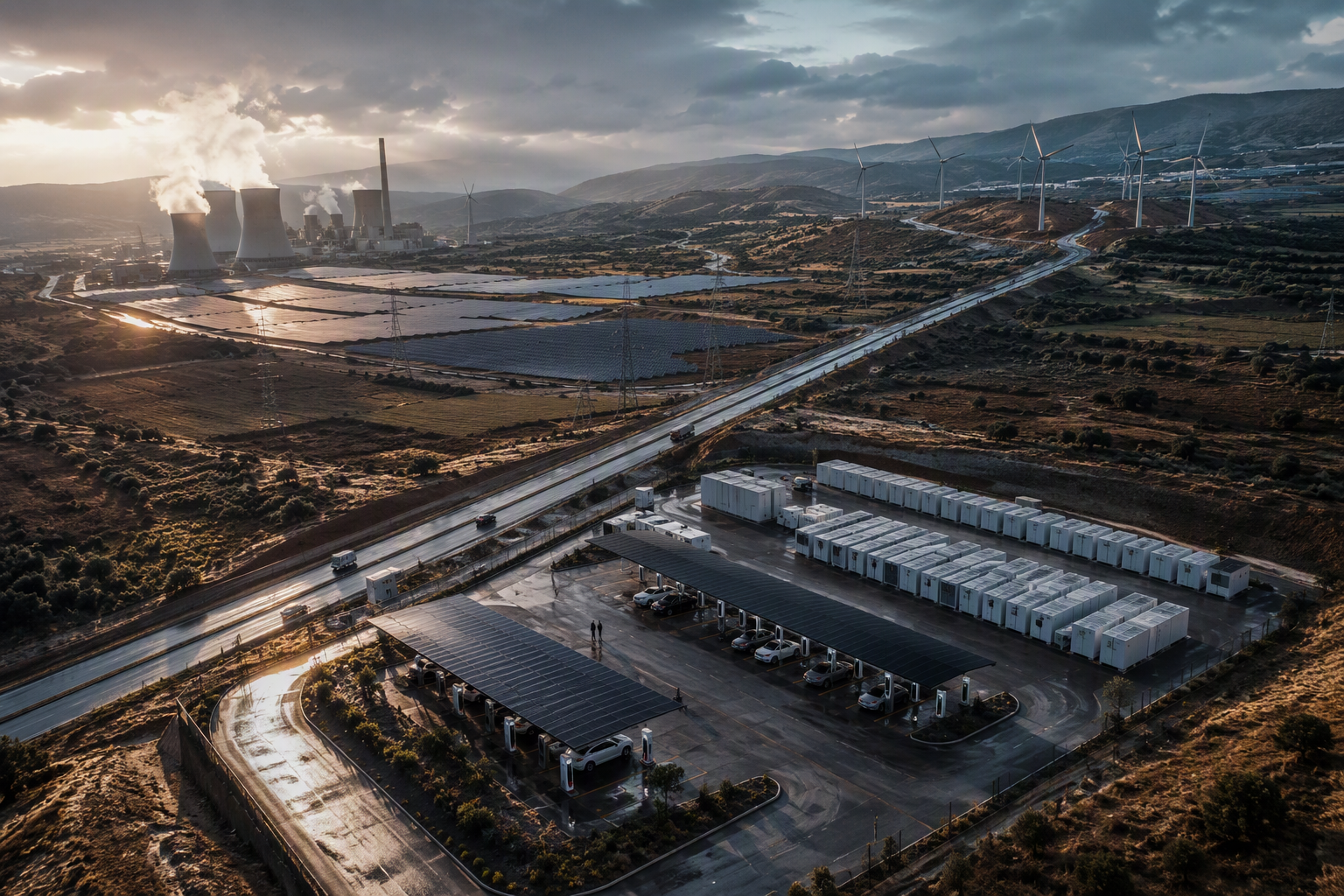
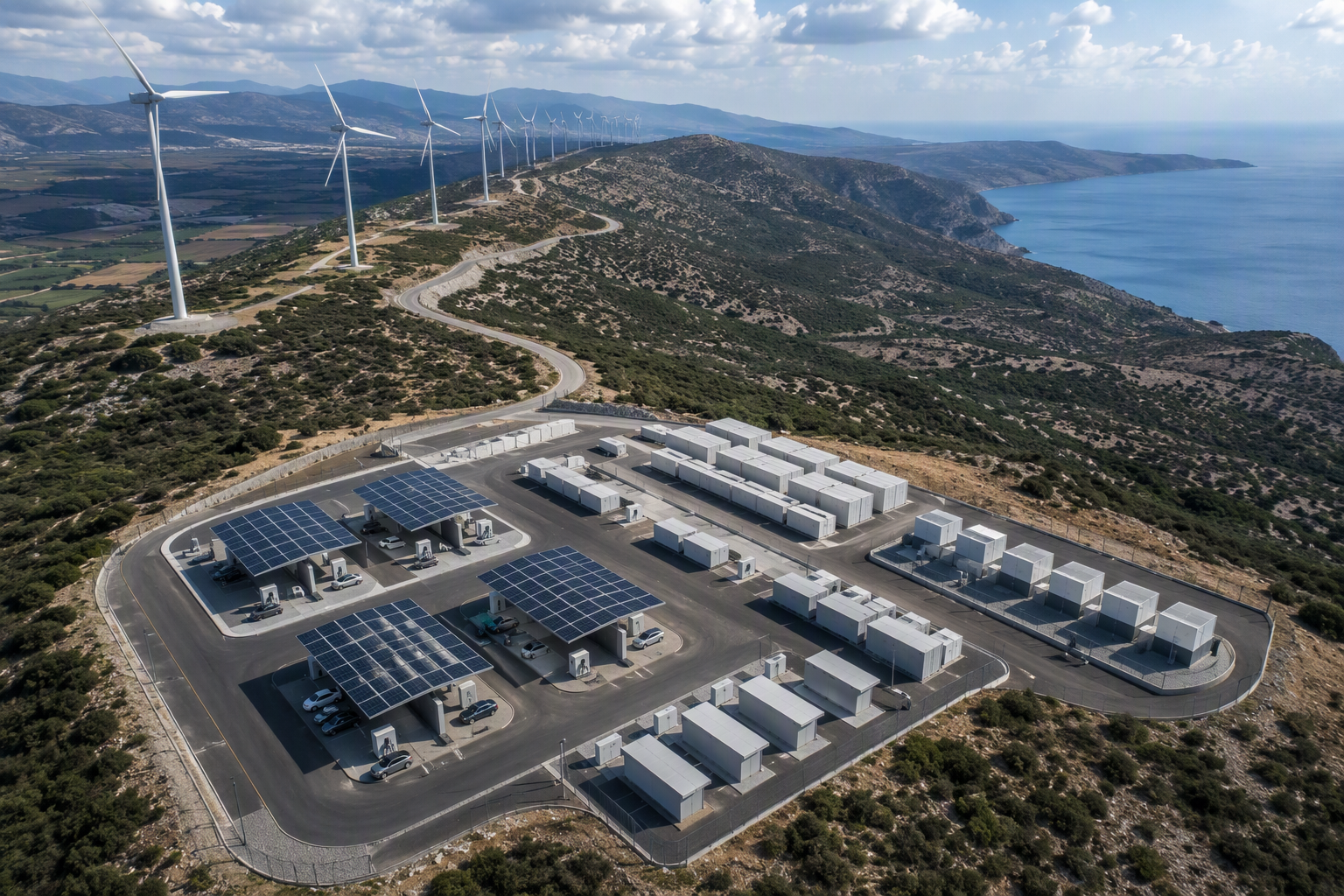
350 Türkiye called on Türkiye to publish a concrete timetable for an equitable, managed withdrawal from fossil fuels, with coal as an initial priority. It also sought a faster transition to renewable energy and stronger policies to protect people and ecosystems from climate impacts.
Why it matters
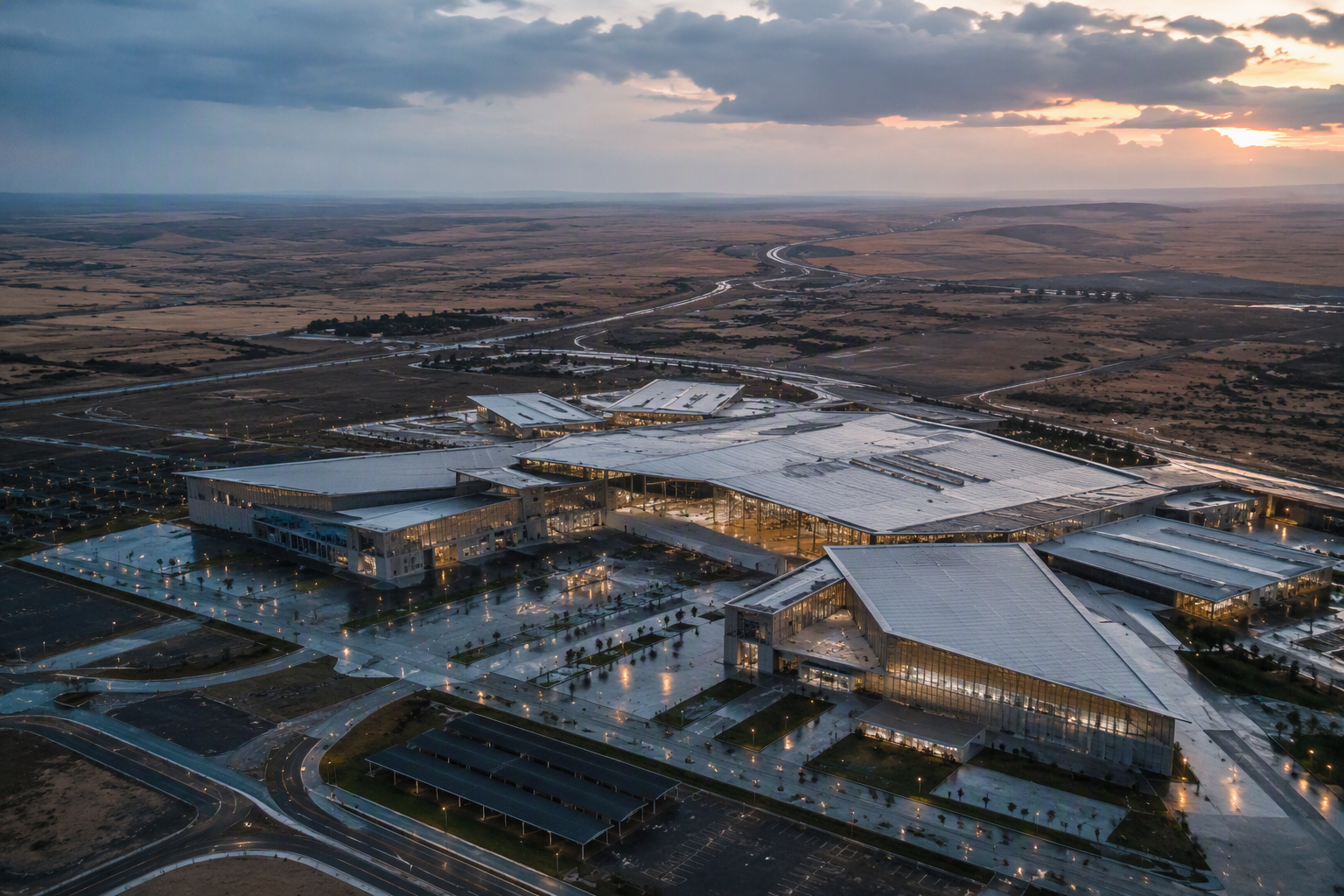
Türkiye is due to chair the UN climate summit, COP31, in Antalya in November. The action places domestic energy-transition policy alongside the country’s expected role in steering international climate discussions.
For energy, infrastructure and climate-policy stakeholders, the immediate issue is whether the COP31 presidency develops the fossil-fuel transition agenda sought by the campaigners. 350 Türkiye wants fossil-fuel exit to feature prominently in both national policy and the international climate agenda during the presidency.
Wildfire and land-management context
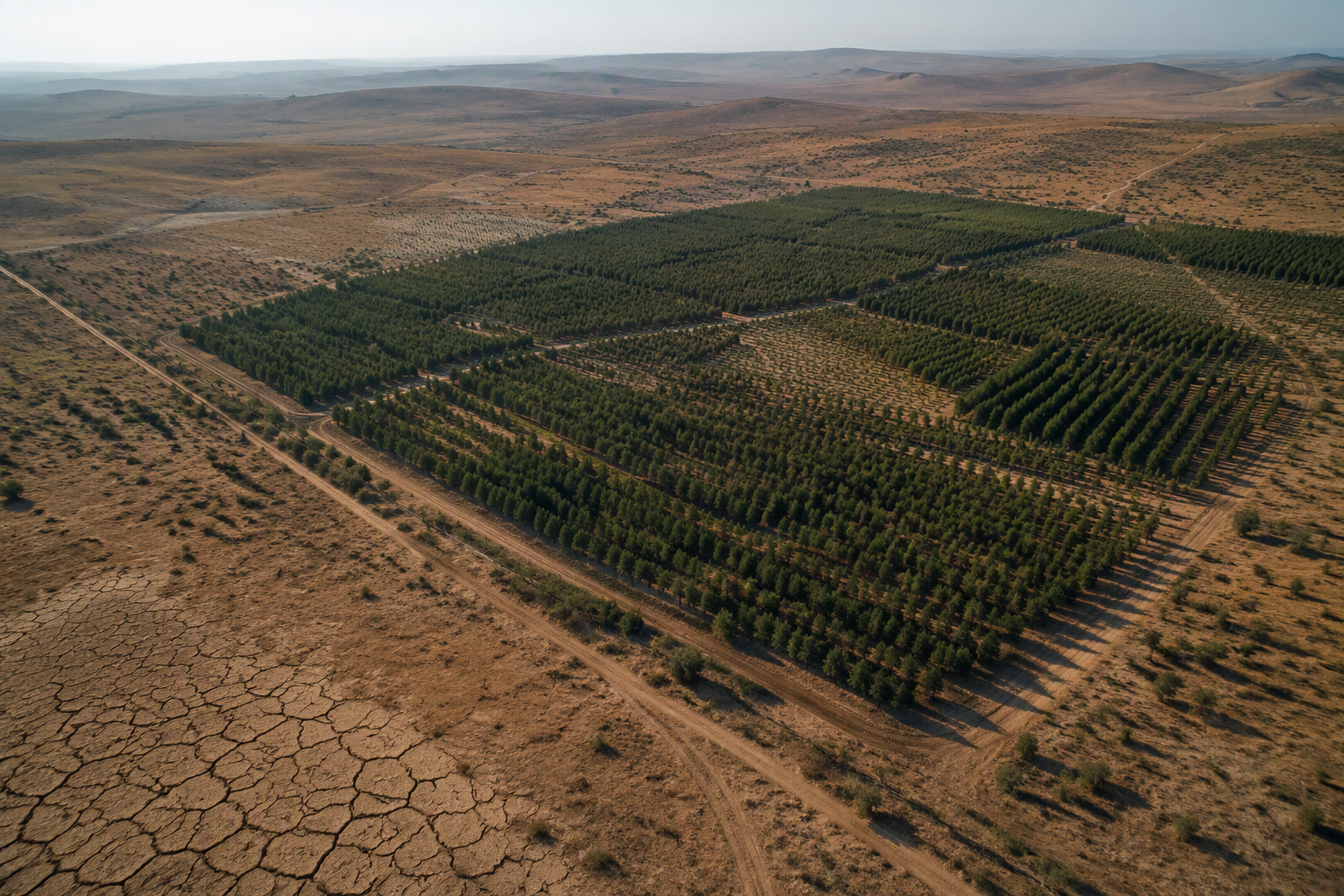
Mustafa Necati Baş, chair of the Turkish Foresters’ Association’s Western Mediterranean branch, described the Mediterranean basin as highly vulnerable to climate change. He said wildfires had destroyed 8,000 hectares in Antalya this year.
Baş said warmer conditions, longer heatwaves and drought create conditions conducive to fire outbreaks and rapid spread. He argued that forest management should incorporate adaptation to changing climatic conditions, ecosystem conservation and measures to reduce fire risk.
He also characterised wildfire response as a shared responsibility spanning climate policy, urban planning, energy, agriculture and tourism. That framing broadens the significance of the Aksu action beyond COP31 preparations to the interaction between land use, resilience and energy policy.
What to watch
Türkiye’s COP31 chairmanship in November will be the next test of the campaigners’ call. Key signals will include whether the presidency advances a coal-focused fossil-fuel transition timetable, accelerates renewable deployment and strengthens adaptation measures for communities and ecosystems.