What happened
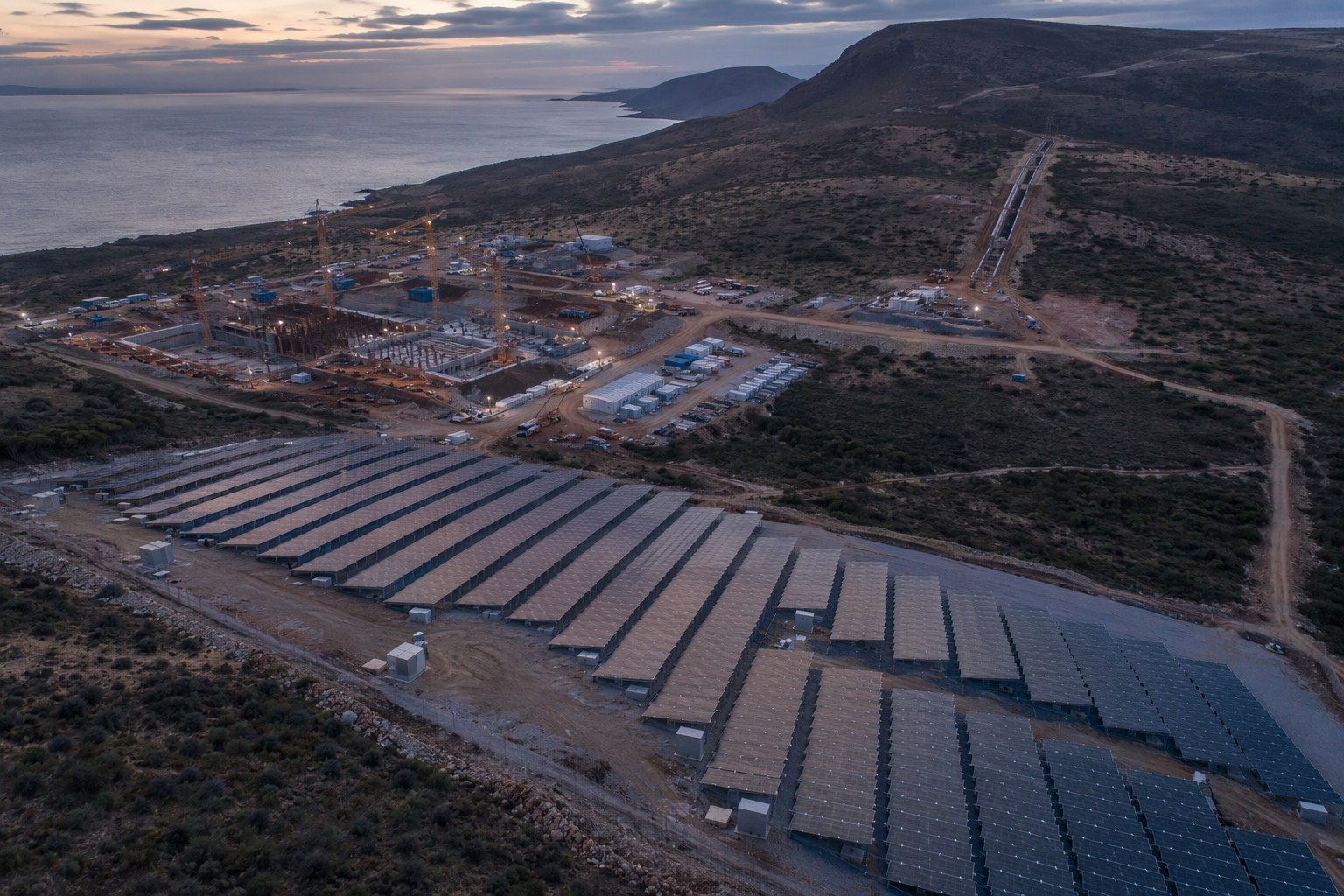
Minister Bayraktar said Türkiye expects to begin the physical start-up of the first reactor at the Akkuyu nuclear power plant in the coming weeks. He made the announcement during Rosatom’s World Nuclear Days programme, held alongside COP31 in Antalya.
Bayraktar said Türkiye aims to reach 10 gigawatts of installed nuclear capacity by 2040 and at least 20 GW by 2050. The longer-term plan includes at least 15 GW from large reactors and consideration of 5 GW or more of small modular reactor capacity.
He said the proposed 20 GW fleet could meet at least 10% to 12% of Türkiye’s electricity demand from clean sources by 2050. Türkiye began working with Rosatom in 2010 following intergovernmental agreements with Russia, he said.
Why it matters
The start-up of Akkuyu’s first unit would mark a major step in Türkiye’s nuclear generation programme. Bayraktar presented nuclear power as part of the country’s approach to rising electricity demand, supply security and lower-carbon generation.
He said achieving the nuclear targets will require qualified workers, substantial investment and continued political backing. More than 300 graduates of Russian universities and higher-education institutions are working at Akkuyu, according to Bayraktar.
For energy suppliers and investors, the programme also points to potential future work beyond Akkuyu. Bayraktar said discussions with different technology providers are continuing for proposed second and third nuclear plants in Sinop and Thrace, while small modular reactors are also under consideration.
Background
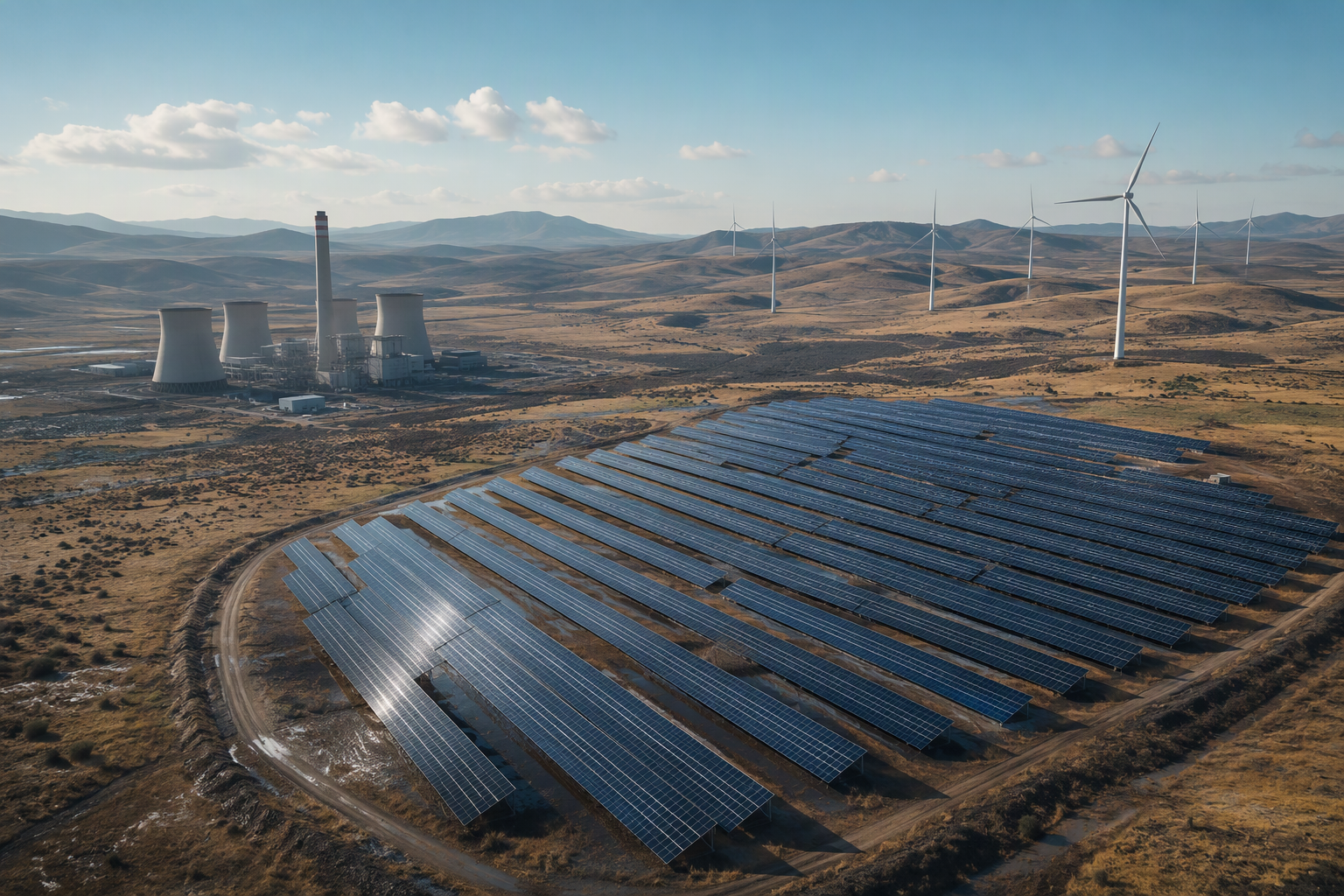
At the COP31 event, Bayraktar said Türkiye is seeking 35% electrification across its economy by 2035. He said the country is expanding solar, wind, geothermal and biomass alongside nuclear power, with nuclear intended to provide firm generation for the electricity system.
What's next
The immediate milestone is the planned physical start-up of Akkuyu’s first reactor in the coming weeks. Türkiye’s stated nuclear milestones are 10 GW in 2040 and at least 20 GW in 2050.