What happened
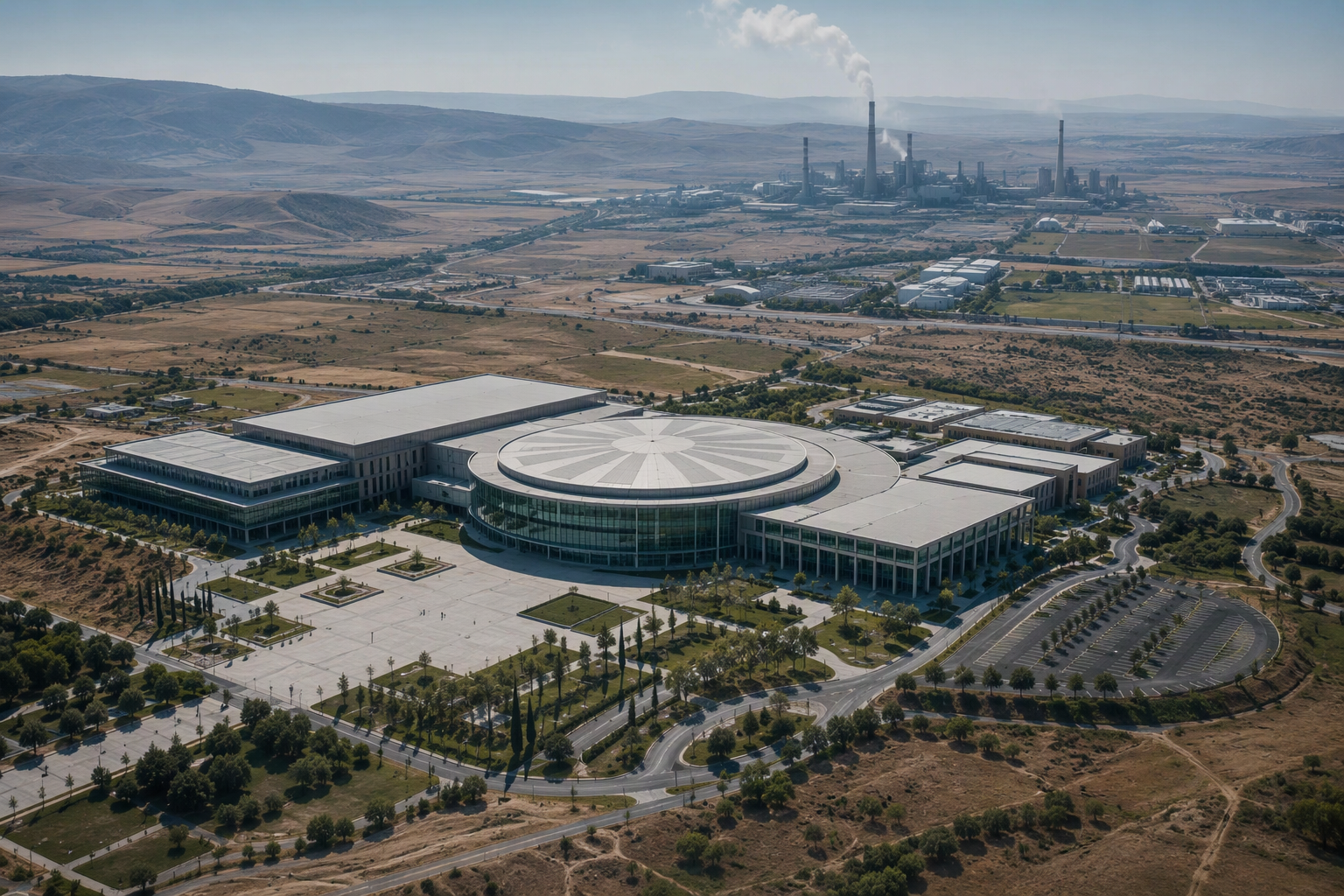
COP31 in Antalya, Turkey, ended without agreement on the proposed Antalya Pact, a presidency-led political text put forward by Turkey and Australia. Carbon Brief reported that the EU, the UK and climate-vulnerable countries rejected the draft because it did not set out clear action on fossil fuels or expanded climate finance.
Developing-country concerns also focused on finance, including unresolved discussions over a proposed $120bn adaptation-finance target. The summit ran beyond its scheduled end and, according to Carbon Brief, became the longest COP to date.
The failure to secure a political pact did not stop the adoption of all negotiated business. Delegates approved a number of items in the final plenary, including procedural work towards a global just-transition mechanism and support for countries hit by climate disasters.
For organisations following international climate policy, the immediate task is to distinguish the adopted decisions from the rejected presidency text. The latter does not constitute an agreed COP outcome.
Why it matters
The impasse highlights persistent differences between countries over fossil-fuel transition language and developed countries’ delivery of climate-finance commitments. These issues are likely to remain central in subsequent UN climate negotiations.
Electrification was a prominent presidency theme outside the formal deal-making. Around 80 countries backed an objective for electricity to meet 35% of final energy demand by 2035. The initiative signals support among participating governments for wider electrification, but it was not adopted as a UN climate decision and creates no new UN obligation.
That distinction matters for investors, utilities, industrial companies and policymakers. The coalition may inform expectations for electricity demand, grids and electrified industrial activity, but it should not be treated as binding international policy.
What to watch next
UNFCCC executive secretary Simon Stiell expressed disappointment and said the UN climate process could be improved, modernised and reformed. Attention will turn to efforts to address negotiating procedures alongside the unresolved questions of finance, adaptation and fossil-fuel action.
Companies should monitor the implementation of the specific decisions adopted in Antalya, as well as whether participating countries translate their voluntary electrification objective into domestic policies and investment plans.