What happened
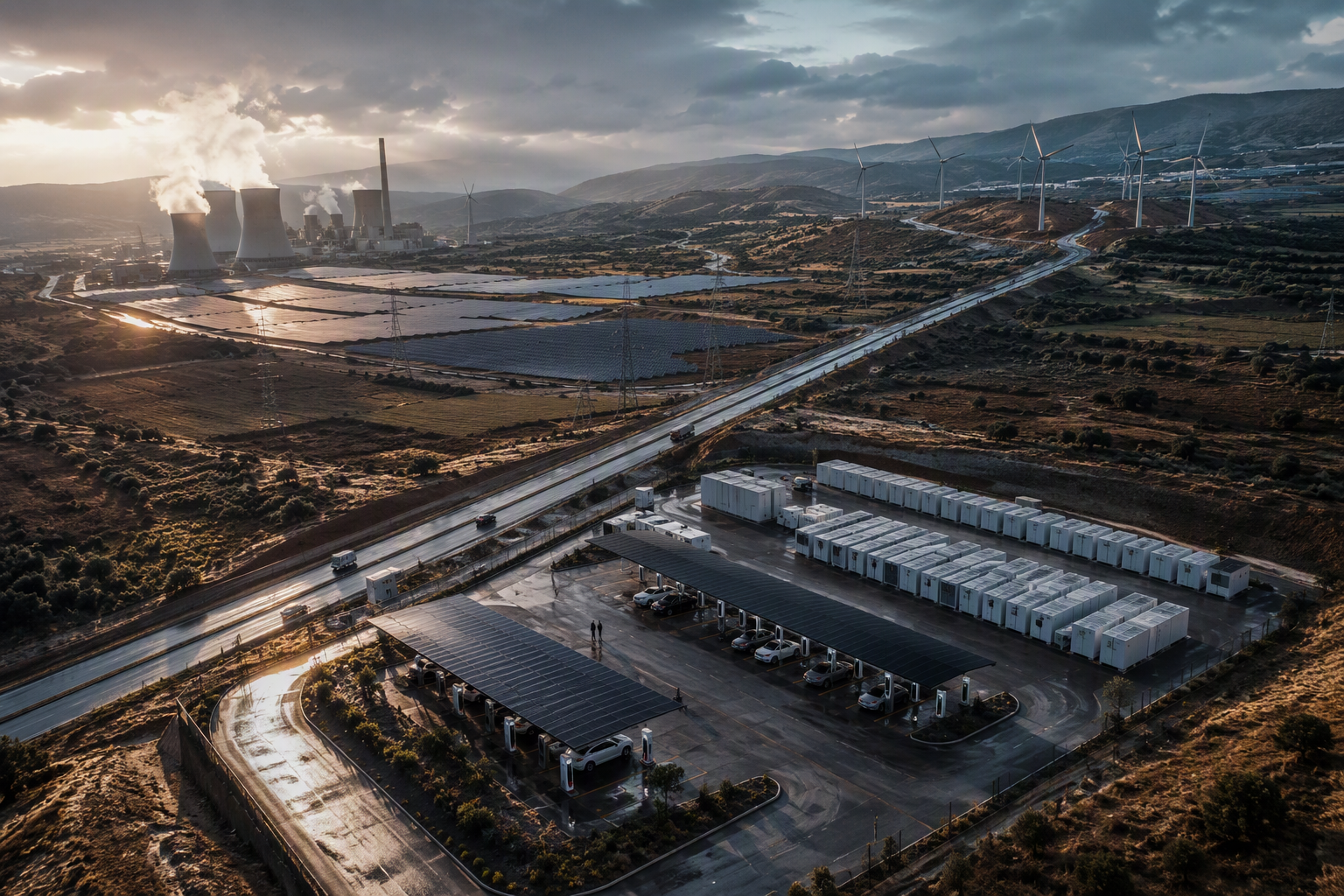
Türkiye’s Energy and Natural Resources Minister Alparslan Bayraktar set out four possible areas for energy collaboration with German partners: natural gas, green hydrogen, upgraded electricity grids and critical materials.
Speaking at a business forum involving Türkiye and North Rhine-Westphalia, Bayraktar said Germany remained Türkiye’s principal European trading partner, with the German state playing a key part in the relationship. He said the two countries could translate their respective strengths into joint energy investments.
Bayraktar also pointed to the Trans-Anatolian Natural Gas Pipeline and the Baku-Tbilisi-Ceyhan pipeline. He said these routes support Türkiye’s own demand while helping reinforce energy supply security in Europe.
Why it matters
The minister’s comments bring conventional gas infrastructure and transition technologies into the same prospective bilateral investment agenda. For energy companies and financiers, the stated opportunities span fuel supply, hydrogen, grid upgrades and critical-material value chains.
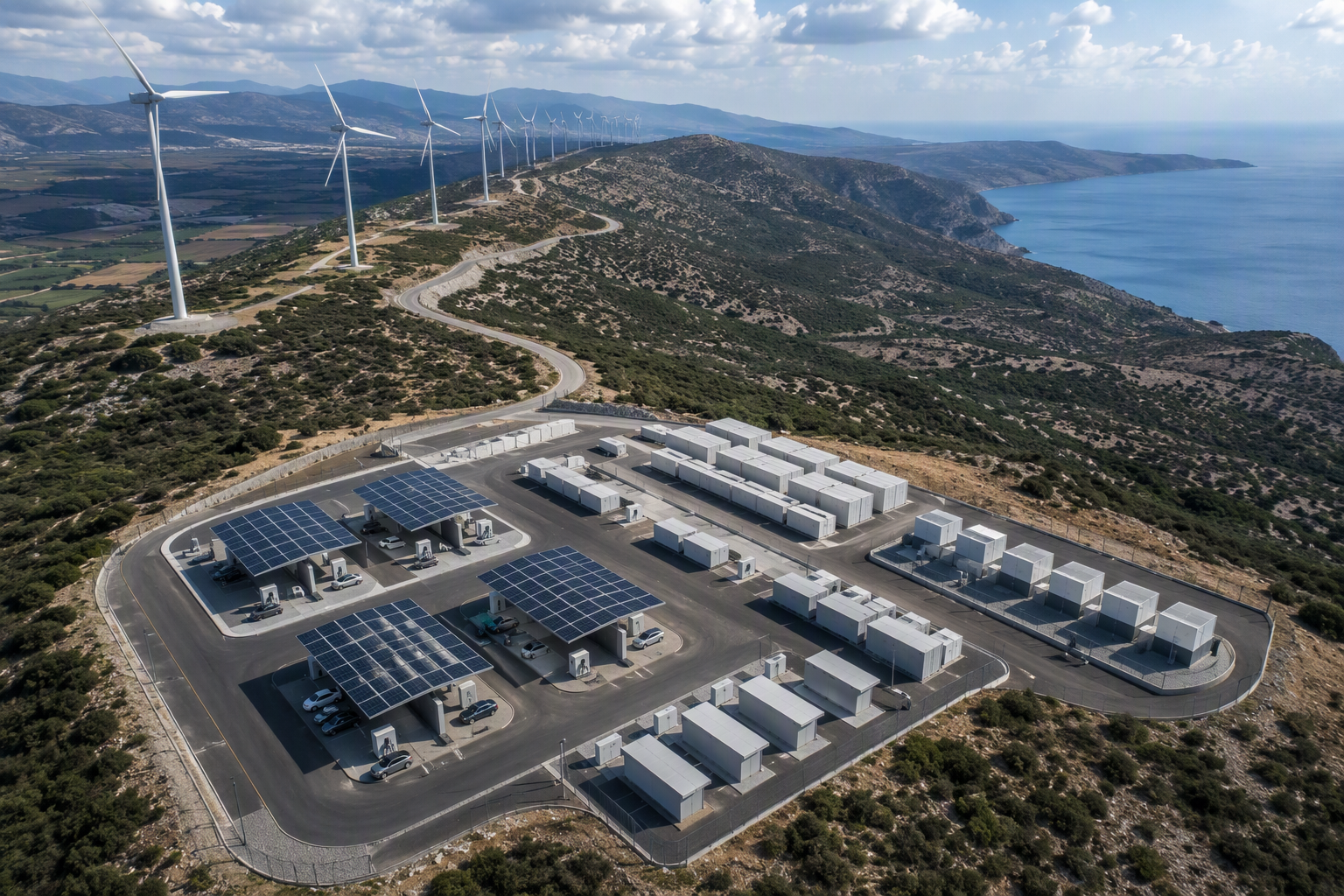
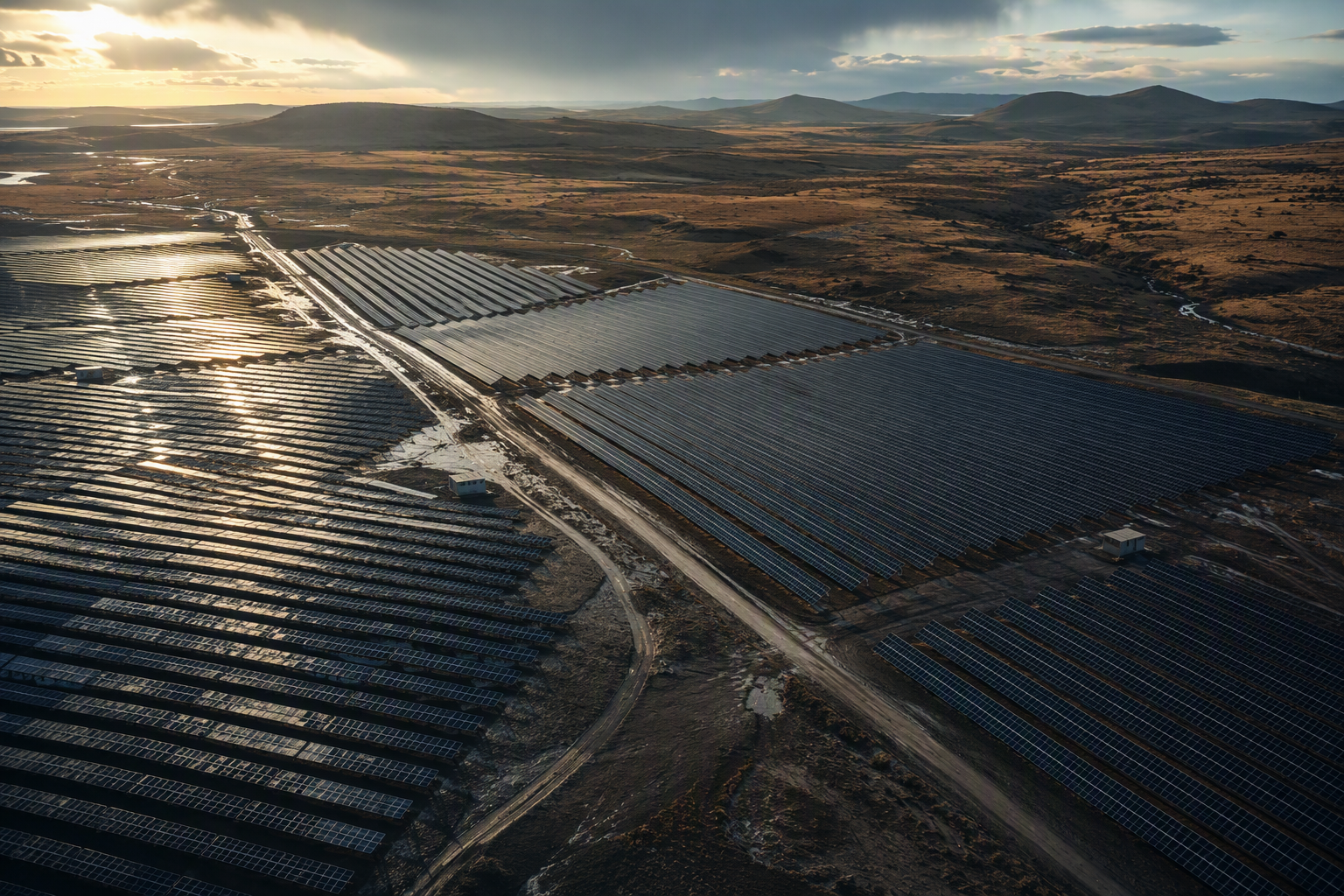
Bayraktar said Türkiye has installed electricity capacity above 125,000 MW, with renewable sources accounting for more than 63% of the total. He added that wind and solar output met about three quarters of industrial electricity demand in 2025. Those figures underline the relevance of network investment as renewable generation expands.
The remarks do not announce specific projects, funding commitments or delivery timetables. Businesses assessing cross-border opportunities should therefore monitor whether the discussion progresses into defined partnerships, investment structures or project pipelines.
Financing remains central
Bayraktar said access to finance would determine whether transition ambitions can be converted into physical assets. Citing the International Energy Agency, he said annual worldwide clean-energy investment needs to rise above $4.5 trillion in the early 2030s to achieve net-zero goals, while actual investment remains short of that requirement despite record expenditure.
He argued that German financial resources, capital support and risk-sharing in joint ventures could help address this gap when combined with Türkiye’s project-delivery capability. The comments were reported by Enerji Günlüğü.