What happened
COP31 in Türkiye ended without agreement on the Antalya Accord, which had been expected to serve as the summit’s main political document. According to İklim Haber, positions among governments became more entrenched during the final stages of the negotiations.
The failed text was intended to bring countries together around several climate priorities. These included maintaining efforts to limit warming to 1.5°C, accelerating the move away from fossil fuels, recognising the role of oceans, and giving greater momentum to methane reductions.
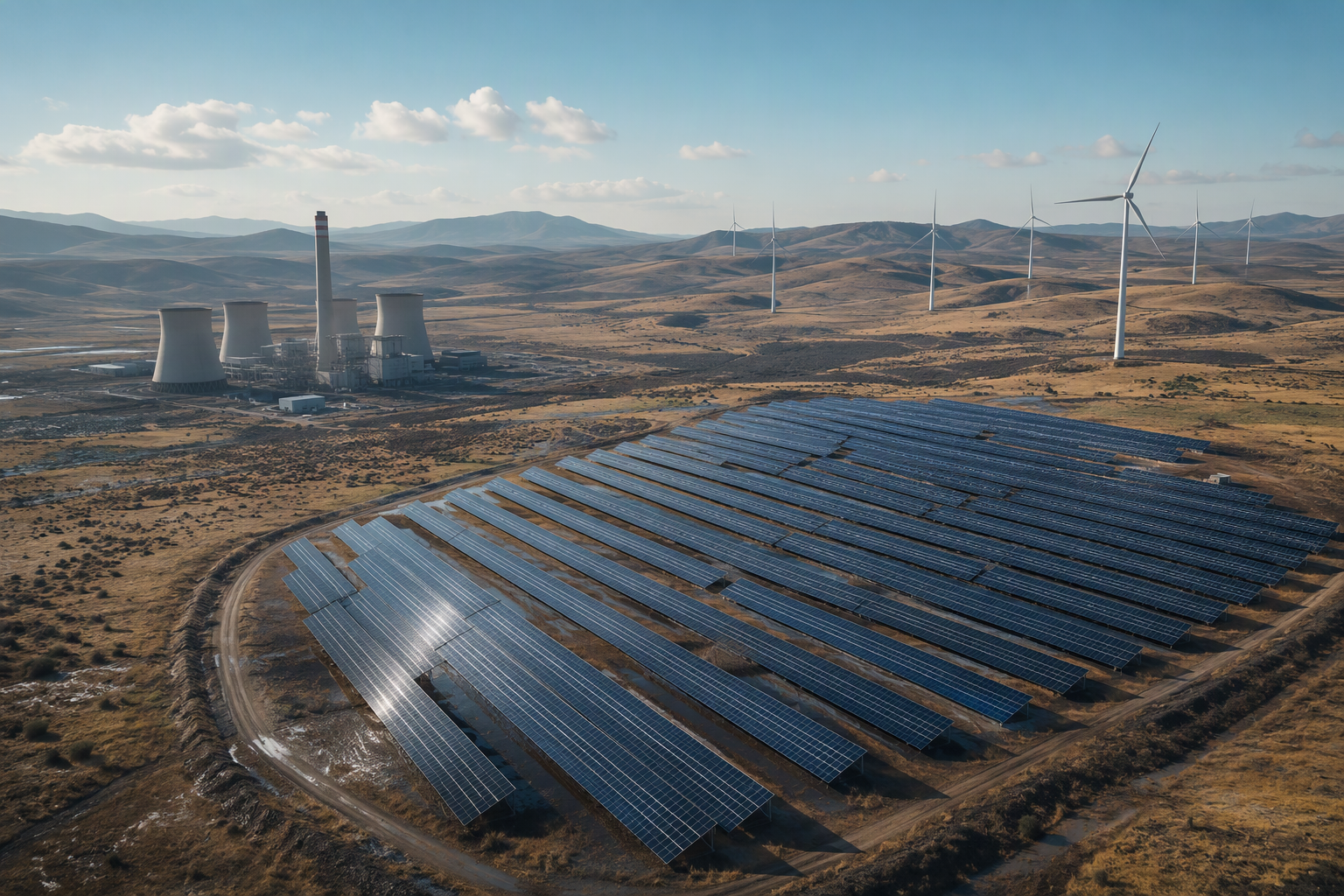
Türkiye and Australia, the summit’s co-chairs, had also sought support for a voluntary global electrification objective. The proposal discussed raising electricity’s share of final global energy consumption to 35% by 2035. It was linked to clean energy, energy efficiency, low-emission technologies, storage, more flexible power systems, resilient grids and improved energy access.
Earlier drafts reportedly contained stronger references to ending reliance on fossil fuels. Those references did not remain in the final proposed text after opposition from oil-producing countries, including Saudi Arabia.
Why it matters
For Türkiye, as COP31 host and co-chair, the absence of a joint outcome limits the summit’s ability to provide a common signal for policy development, climate-finance mobilisation and wider climate action. The proposed electrification direction was relevant to power networks, storage and energy-efficiency efforts, but it did not become a shared commitment.
The outcome also leaves governments and organisations without a collective COP31 statement on the fossil-fuel transition, methane or the role of oceans. Countries particularly exposed to climate impacts, including low-lying Pacific island states, had argued that the language on the 1.5°C objective was not sufficiently strong.
Background
The COP31 discussions took place after scientists had confirmed that the 1.5°C warming threshold would inevitably be exceeded. The proposed accord would have reaffirmed efforts to limit both the extent and duration of any overshoot, while calling for deep, rapid and sustained reductions in greenhouse-gas emissions and stronger adaptation support.
Separately, the voluntary Global Methane Pledge aims to cut methane emissions by 30% by 2030. The Antalya Accord could have increased political attention to that effort, but no agreement was reached.
What's next
Ocean-related matters will be taken forward through the UN Framework Convention on Climate Change process and its subsidiary bodies. The proposed electrification benchmark remains a 2035 objective discussed during COP31, rather than an agreed summit commitment.