What happened
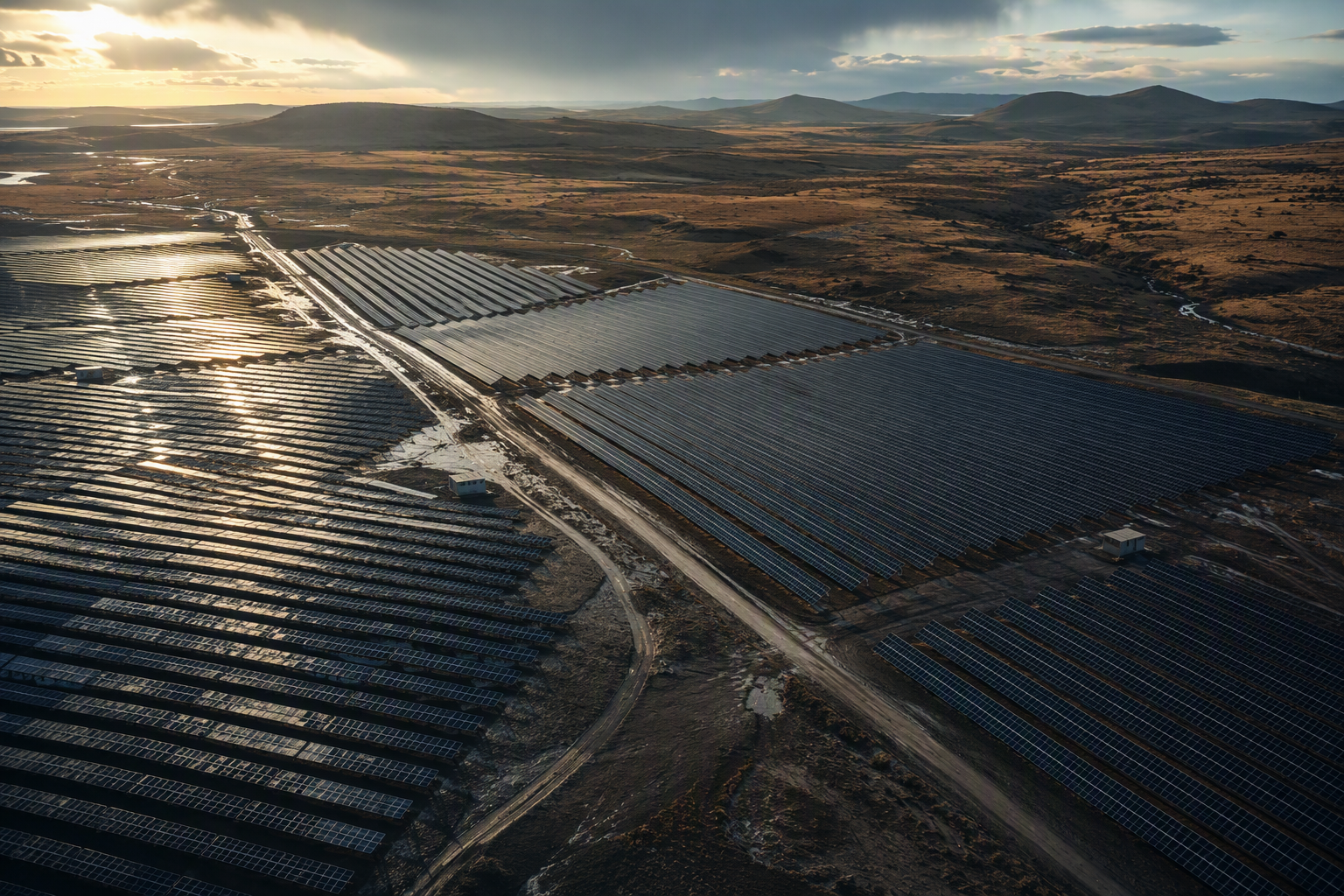
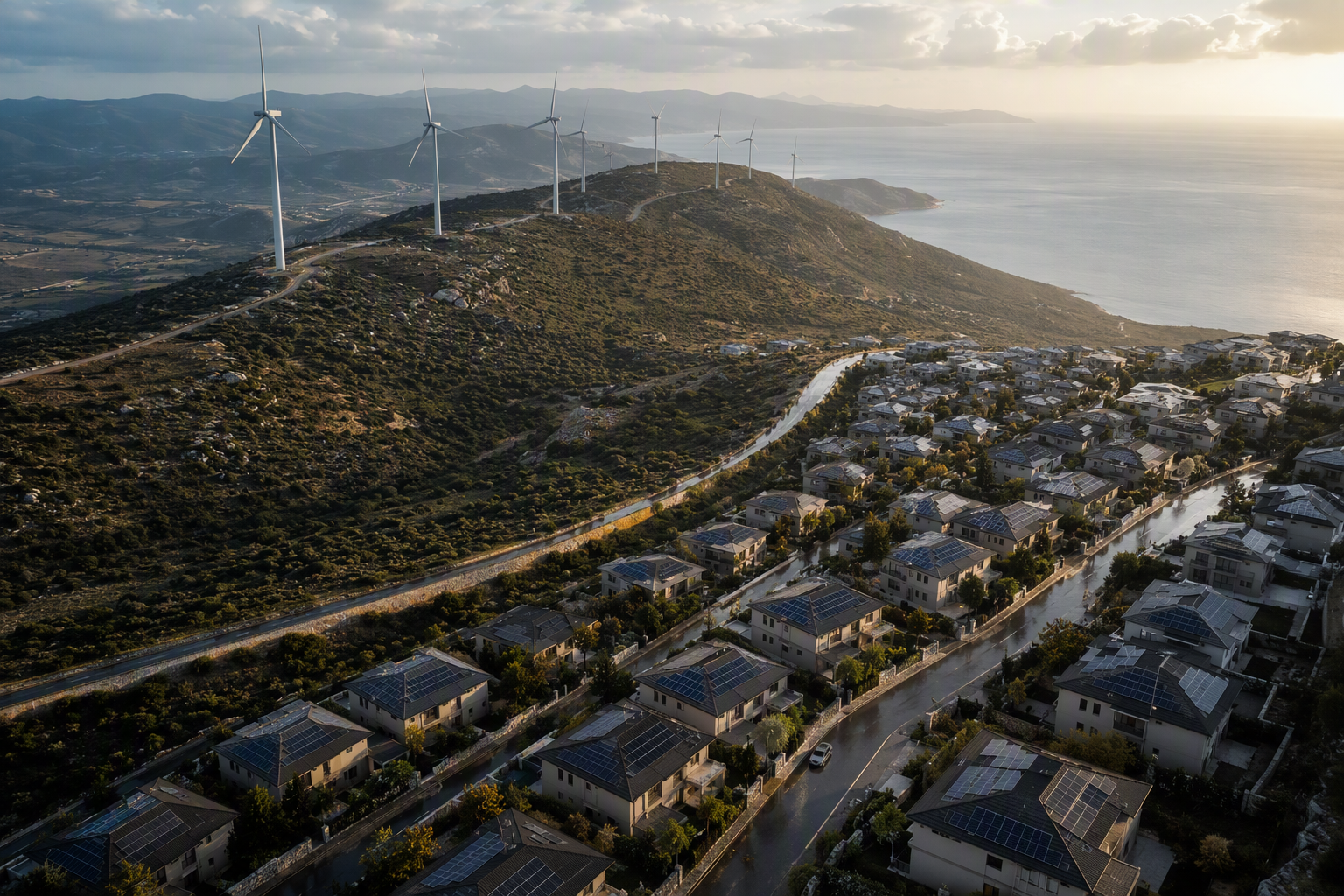
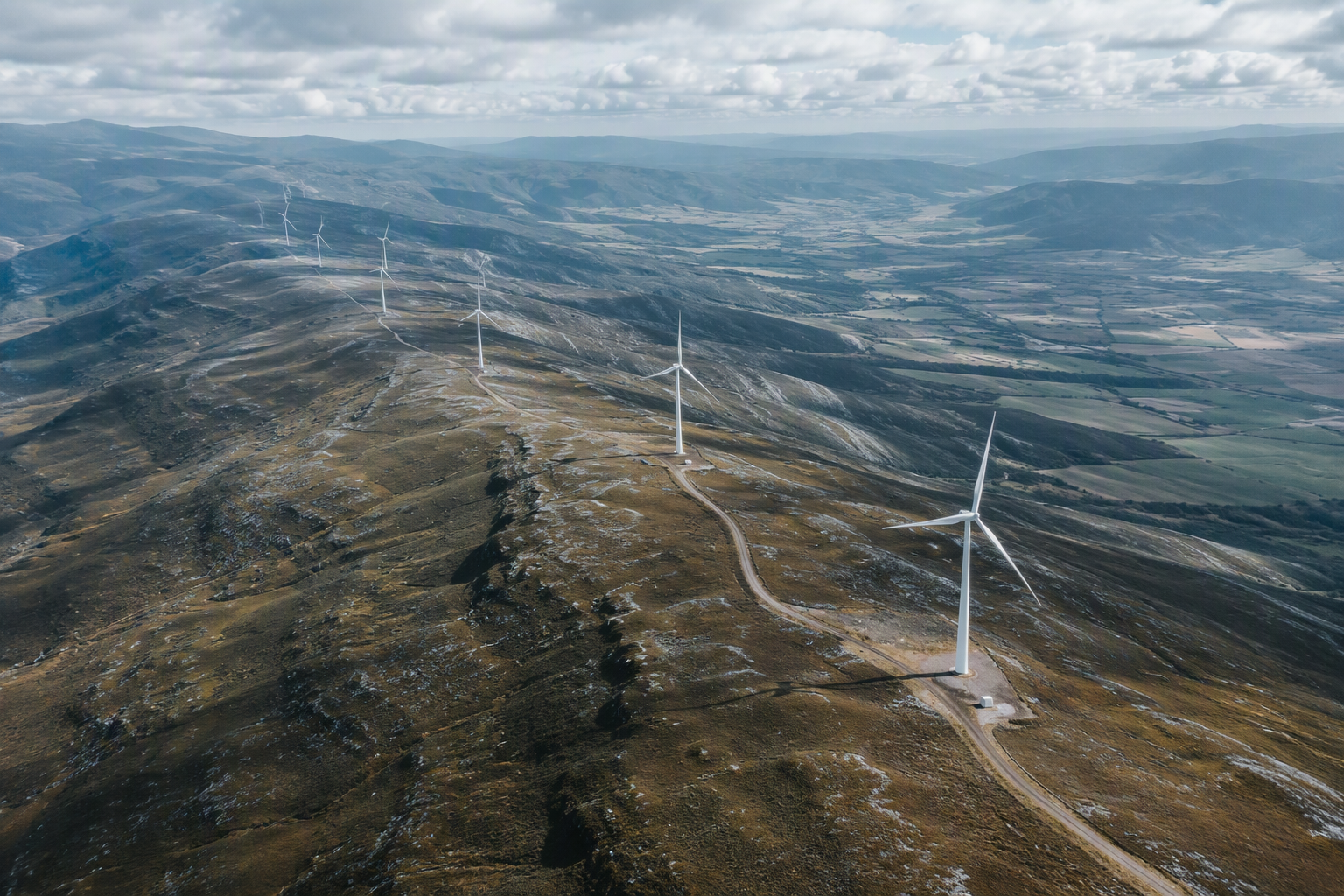
Galata Wind has set targets of 500 MW of installed capacity in 2026 and 600 MW in 2027, according to its Türkiye Sustainability Reporting Standards-aligned report for 2025. Its capacity was 354.2 MW at the end of 2025, with generation assets entirely based on renewable sources.
The Doğan Holding subsidiary’s portfolio consists of wind and solar power plants. It reported TRY 1.577 billion in sustainability-related investment and expenditure during 2025, equal to 97% of its total spending.
The company also assessed the financial implications of physical climate risks. It identified its Mersin wind plant and Çorum solar plant as the most exposed to wildfire risk. These assets have a combined value of TRY 5.28 billion, or 37.21% of total facility assets. Estimated financial exposure is TRY 60.5 million to TRY 85.3 million for 2025–2030 and TRY 137.9 million to TRY 138 million for 2030–2050.
Why it matters
The capacity targets point to further renewable investment by a Turkish power producer at a time when physical climate risks are being quantified alongside expansion plans. Galata Wind intends to spend TRY 22 million on fire-response vehicles and water-storage equipment at three sites.
Changes in wind conditions present a larger asset exposure in the company’s assessment. Its Şah and Mersin wind plants account for TRY 10.13 billion of asset value, or 71.38% of facility assets. The projected financial impact is TRY 111.2 million to TRY 123.2 million in the short to medium term, increasing to TRY 123.7 million to TRY 125.8 million over the longer term.
For the European market, Galata Wind Energy Global B.V., based in the Netherlands, is pursuing solar, agrivoltaic and battery-storage developments in Germany and Italy. The Sunspark, Solevento, Montescaglioso 1 and Ferrandina 14 subsidiaries were outside the reporting boundary because they had not yet begun operations.
What's next
Galata Wind aims to add 145.8 MW during 2026 to reach 500 MW, followed by a further 100 MW in 2027. The company also expects revenue from carbon credits generated under VCS-Verra and Gold Standard schemes. It recorded 529,533 tonnes of verifiable emissions reductions in 2025, 14.7% more than in 2024.