What happened
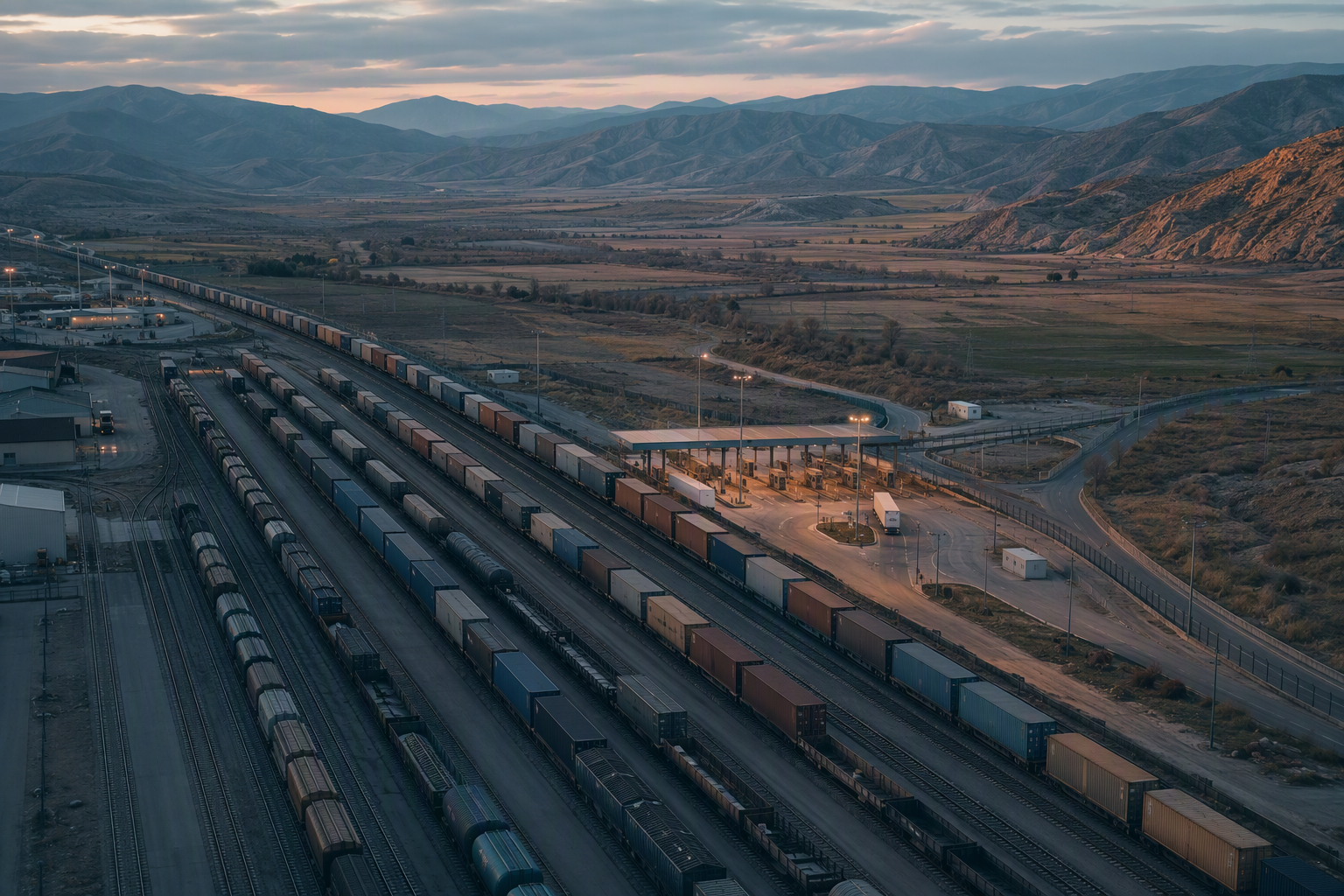
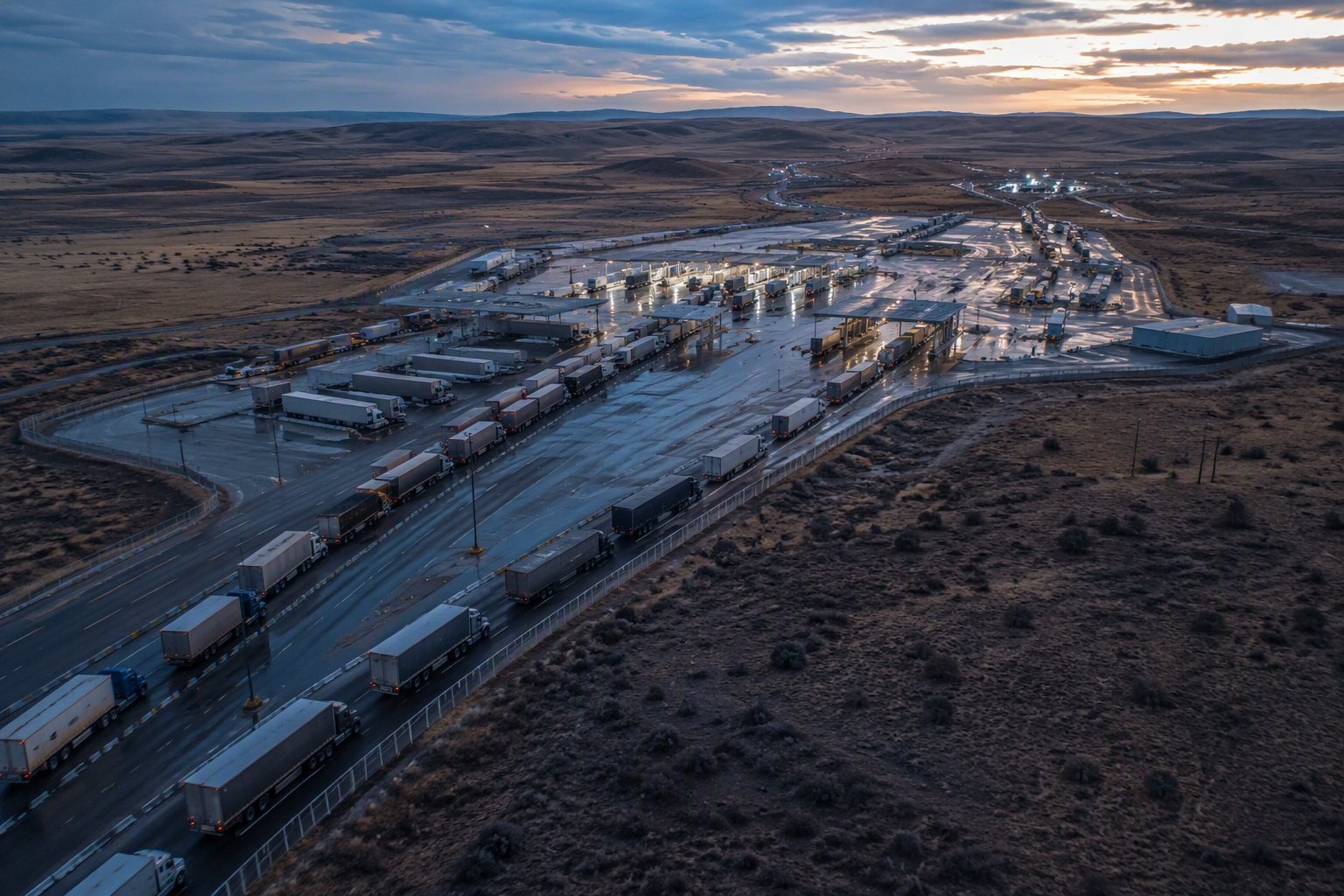
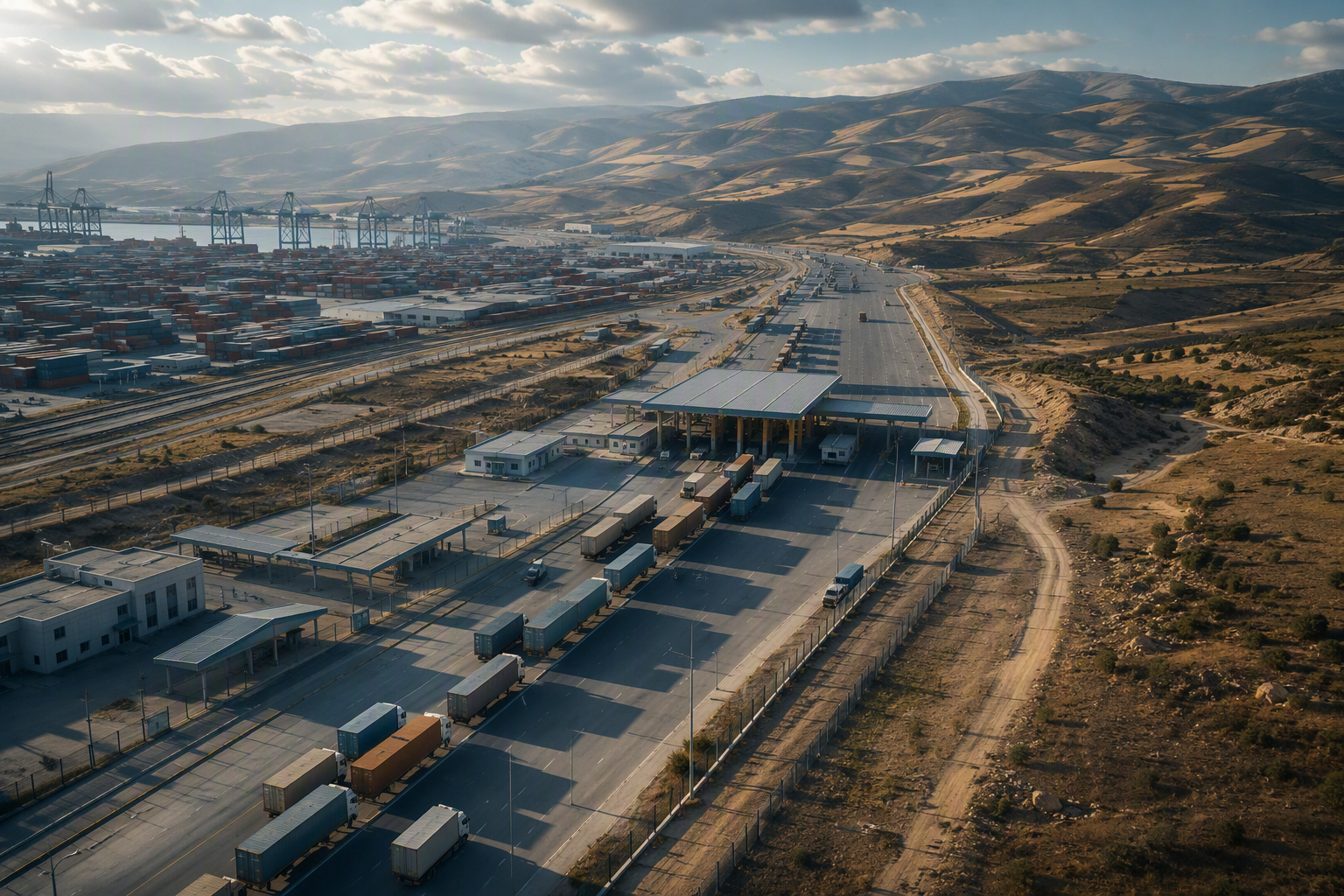
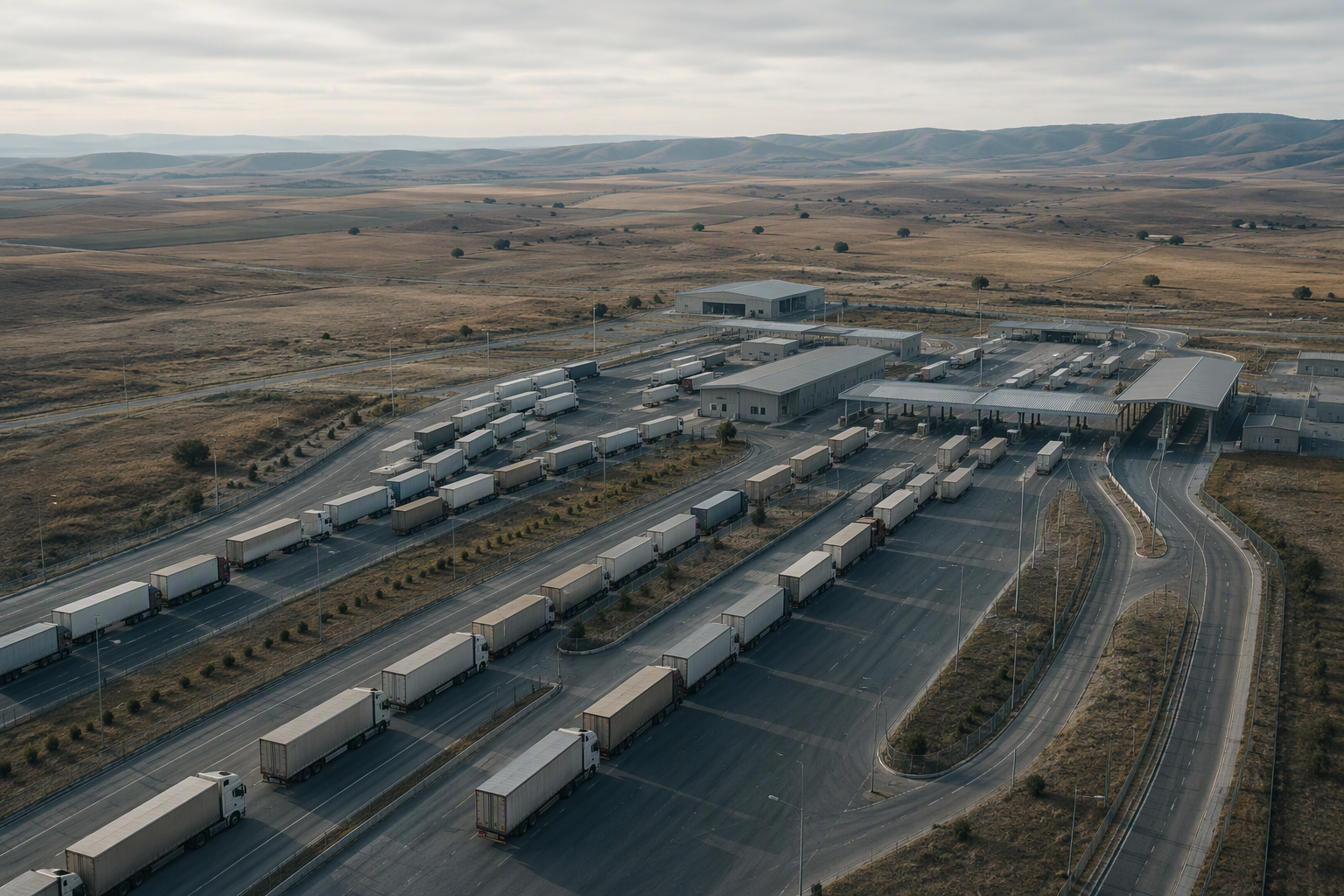
Industrial certification provider Isometric has launched Ready for CBAM, a data-preparation and reporting service for businesses exporting goods covered by the EU Carbon Border Adjustment Mechanism (CBAM).
According to ESG Today, the service helps companies develop a monitoring plan and emissions report for each production plant. Isometric’s platform reviews information as it is submitted and identifies potential issues; its specialists then assess the completed submission against EU rules.
The support extends into external verification, including work with exporters to address points raised by the verifier. It is available for cement, iron and steel, aluminium, fertilisers, hydrogen and electricity — the six sectors now within CBAM.
What readers should do next: exporters in these sectors should establish plant-level data collection and determine whether their emissions documentation is ready for independent verification. EU importers should also engage suppliers early where verified actual-emissions data may be needed.
Why it matters
CBAM requires EU importers to obtain certificates for embedded emissions in relevant goods. Calculations can use verified actual emissions or default figures set by the EU. For most covered products, the default figures include an additional adjustment that rises from 10% in 2026 to 30% in 2028.
That structure makes the quality and verification status of supplier emissions information commercially relevant to importers. Exporters that can provide robust, plant-specific data may give their EU customers an alternative to calculations based on adjusted defaults.
CBAM began operating at the start of 2026. The mechanism is intended to bring the carbon cost of certain imported goods closer to that faced by EU producers under the EU Emissions Trading System.
Reporting timetable
Importers’ first CBAM declarations will cover imports made in 2026 and must be submitted by 30 September 2027. ESG Today reported that submission errors can lead to further review, making early preparation of monitoring plans, emissions reports and verification evidence important for affected supply chains.