What happened
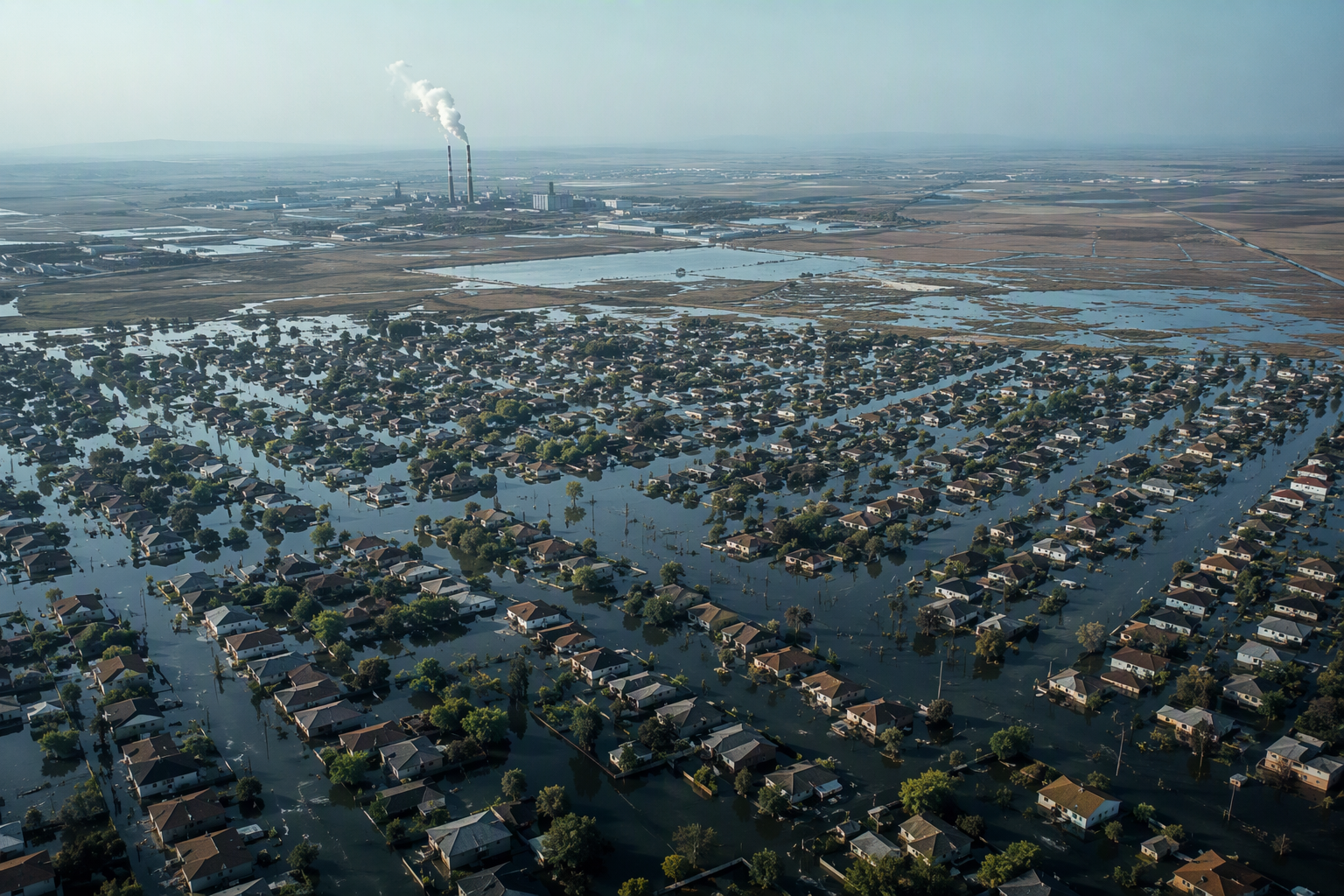
Heavy rain hit Istanbul on 14 October, causing flooding, thousands of emergency reports and four deaths. The most intense rainfall fell in northern parts of the city.
Initial data from the General Directorate of Meteorology put daily rainfall in Beykoz at 244 mm. Istanbul’s average October rainfall is 66 mm, and its annual average is 659 mm. The Beykoz total was therefore close to four typical October totals.
A station at Kireçburnu in Sarıyer measured 184 mm. Since the highest daily value in Istanbul’s long official measurement series since 1950 is 136.1 mm, recorded in 1981, the new reading could exceed that benchmark by roughly 35% if validated. A separate 1985 measurement in Şile recorded 199.3 mm.
The analysis attributes the event to cold air moving from the Balkans, a low-pressure system over the Aegean and strong northeasterly winds. As the air crossed the Black Sea, it gained heat and moisture before reaching Istanbul. Higher ground in the north also helped intensify rainfall.
Why it matters
The flooding illustrates that the consequences of extreme rain depend on both weather conditions and urban drainage. Ayazağa, Kağıthane, Riva and Çamlıbahçe streams overflowed during the event. Parts of these areas lie on former stream routes or floodplains.
Sealed stream sections, roads and buildings can obstruct the movement of water during intense rainfall. Concrete and asphalt also reduce infiltration into the ground, increasing surface runoff. This places greater importance on protecting waterways, limiting further hard surfacing and improving rainwater infrastructure.
For Kağıthane, modelling found that continued urbanisation without green infrastructure could raise flood risk by 87%. A scenario combining green-infrastructure measures reduced the flooded area by about 37%.
Background
An Istanbul Technical University doctoral study completed in 2015 examined about 2,400 km of streams in Istanbul. It found that 17% ran through enclosed sections and 18% through open channels. When enclosed channels are overwhelmed or blocked, water can return towards former stream paths that are now occupied by roads or buildings.
Warmer conditions can also support heavier downpours because the atmosphere can hold around 7% more water vapour for each 1°C rise in temperature. Along Türkiye’s Black Sea coast, average annual sea-surface temperature rose from 14.8°C in 1981–1991 to 16.5°C in 2014–2025, according to meteorological data.
What's next
The contribution of climate change to this specific event requires a dedicated scientific attribution study. The analysis says one storm cannot determine how the full winter will develop. However, the Black Sea may retain summer heat as further cold outbreaks arrive from the north, creating conditions that can support additional heavy rainfall in the coming weeks.