What happened
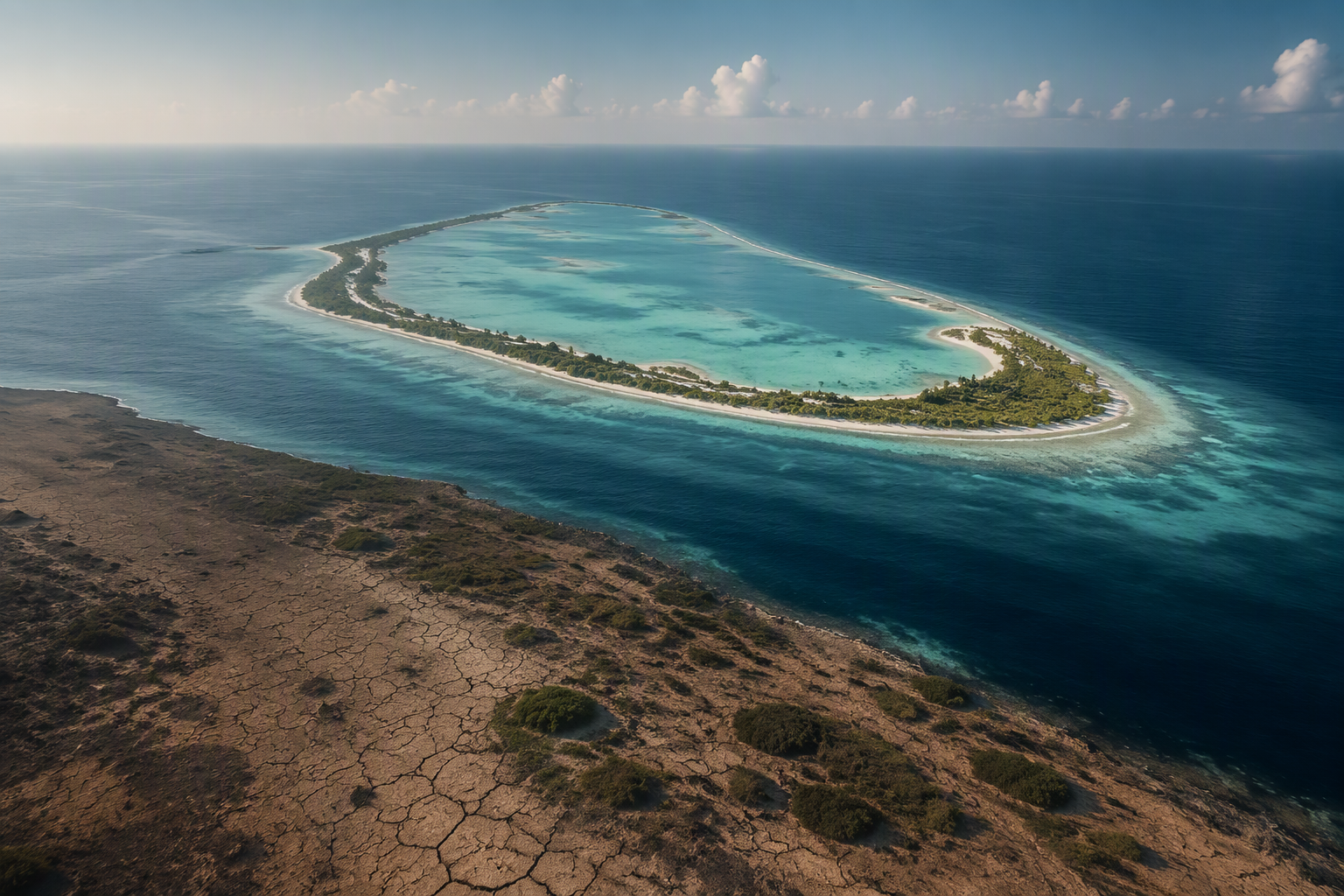
Pacific leaders gathered for pre-COP discussions in Nadi, Fiji, ahead of COP31 in Türkiye next month, using the meeting to call for greater financial support from wealthier countries. Their focus was adaptation funding for island communities facing rising sea levels and warming-related coral bleaching.
The leaders also urged countries to retain the objective of holding warming to 1.5°C above pre-industrial levels. In Tuvalu, authorities are already planning for the possible relocation of the country’s 10,600 residents should the islands be inundated.
According to EkoIQ’s report of the discussions, a marine heatwave in 2024 was estimated to have destroyed 99.9% of coral in the region.
For organisations following the negotiations, the immediate next step is to track whether the calls translate into additional commitments to regional adaptation and resilience mechanisms before COP31.
Why it matters
The scale of the reported funding shortfall is substantial. A UN report published in August estimated that developing countries need between $310 billion and $365 billion for adaptation, compared with $26 billion in adaptation finance available in 2023.
Pacific governments are seeking to narrow that gap through the Pacific Resilience Facility, which has a $500 million fundraising objective. Commitments to date remain below half of that target, according to the report.
The funding discussion is directly connected to physical risks already affecting the region: sea-level rise threatens homes, while higher temperatures contribute to coral bleaching. The planned infrastructure support in Pacific countries is targeted in part at coastlines affected by erosion and rising seas.
Funding announcements
Fiji announced an additional $10 million contribution to the Pacific Resilience Facility during the meetings.
Australia said it would invest $2 million in road and communications infrastructure projects across Papua New Guinea, Fiji, Kiribati and Tuvalu. The investment is intended to support climate adaptation, with particular attention to coastal areas exposed to erosion and sea-level rise.