What happened
Tüprag Metal Madencilik, the Ecological Research Association (EKAD) and the General Directorate of Nature Conservation and National Parks have released two adult loggerhead turtles, named İnci and Mercan, carrying satellite-tracking devices.
The releases form part of the Miner Turtle project, launched in January 2024. Four other adults — Altın, Gümüş, Fauna and Flora — had previously been tagged. The project now monitors six adult Caretta caretta turtles through satellite data.
The tracking programme is intended to build long-term evidence on the turtles’ migration routes, feeding grounds, wintering areas and use of habitats. The latest generation of devices is also designed to provide more detailed information on their responses to environmental conditions and climate change.
Why it matters
The project contributes scientific evidence for the protection of Mediterranean marine ecosystems and loggerhead turtle breeding areas. Tüprag describes biodiversity protection as a core element of its sustainability approach, while EKAD and the public conservation authority provide research and conservation support.
Professor Onur Candan, an EKAD board member, said earlier modelling had anticipated clearer shifts in loggerhead migration routes around 2050. Data gathered through Miner Turtle suggests that some of those changes may already be emerging, with the 2026 assessment indicating shifts roughly 25 years earlier than expected.
Background
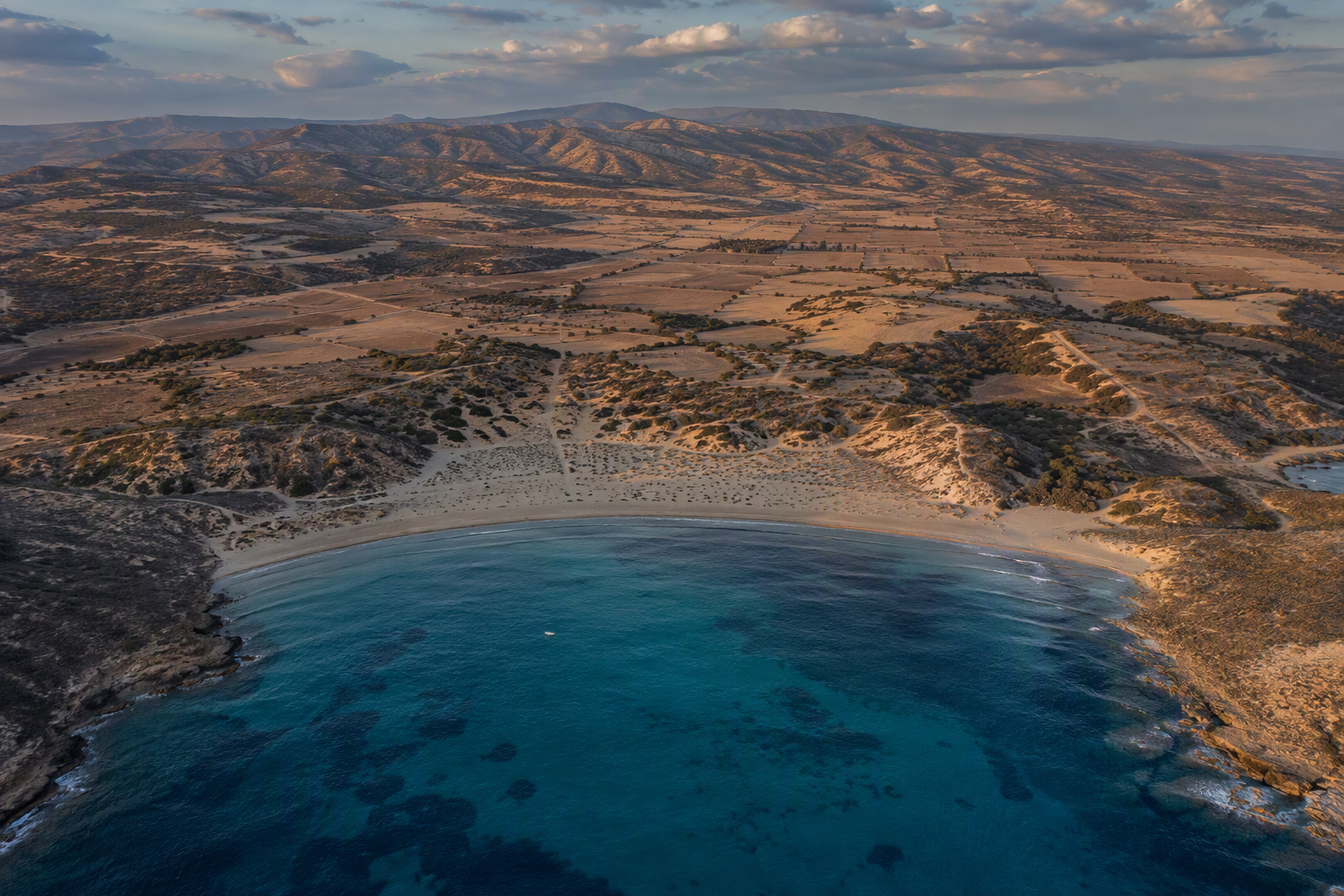
The initiative operates at Kızılot beach in Antalya, an important Mediterranean nesting and breeding area. A permanent research centre has been established there, and specialists and volunteers survey a 16-kilometre coastal stretch. They identify and protect nests, relocate those at risk, monitor hatchlings and help young turtles reach the sea.
Across the 2024 and 2025 field seasons, the project recorded 4,497 nests and 314,867 eggs. It reported that 110,019 hatchlings reached the sea, 10,569 were rescued and 450 nests were protected. Over two years, 212 domestic and international volunteers joined fieldwork. Education and awareness activities reached 3,100 students, 1,450 tourism workers and 1,900 visitors.
What's next
Tüprag said the project will continue in its third year with a broader area of activity. The six tagged turtles remain available for monitoring through the satellite-tracking system.