What happened
Türkiye’s Environment, Urbanisation and Climate Change Minister, Murat Kurum, used a COP31 press conference in Antalya to set out the government’s direction on energy, emissions and resilient housing. The event was also attended by UNFCCC Executive Secretary Simon Stiell and Australia’s Climate Change and Energy Minister Chris Bowen.
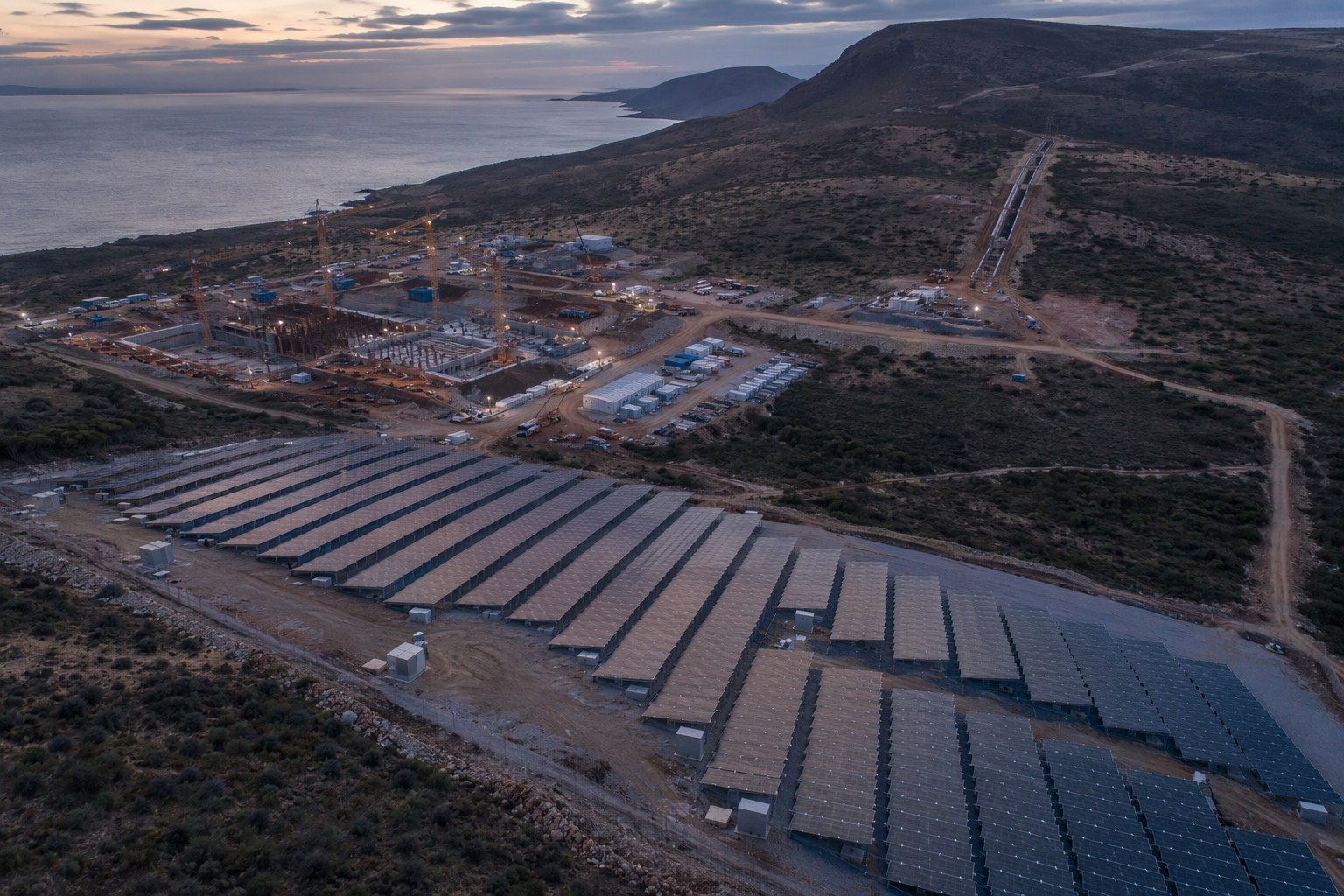
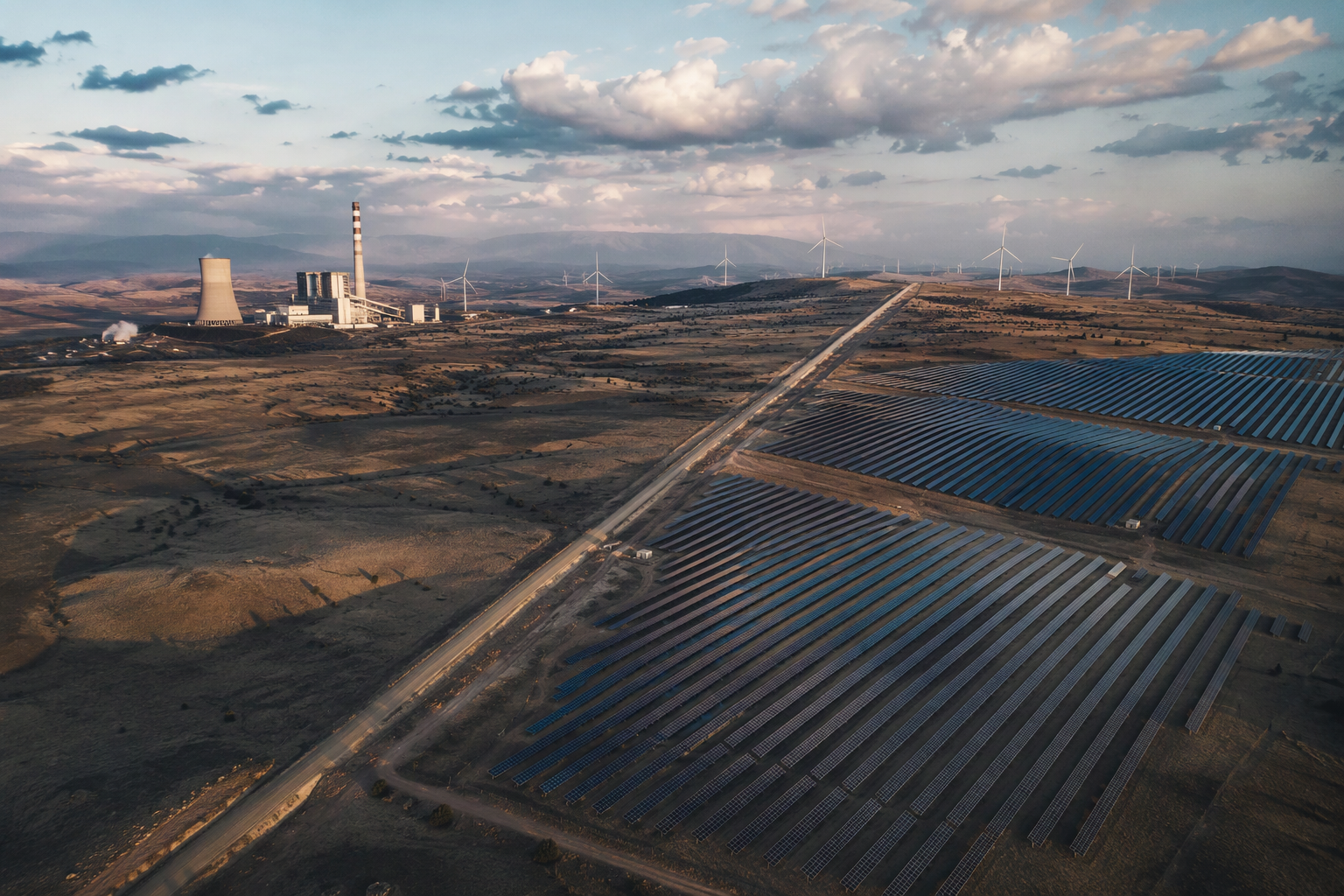
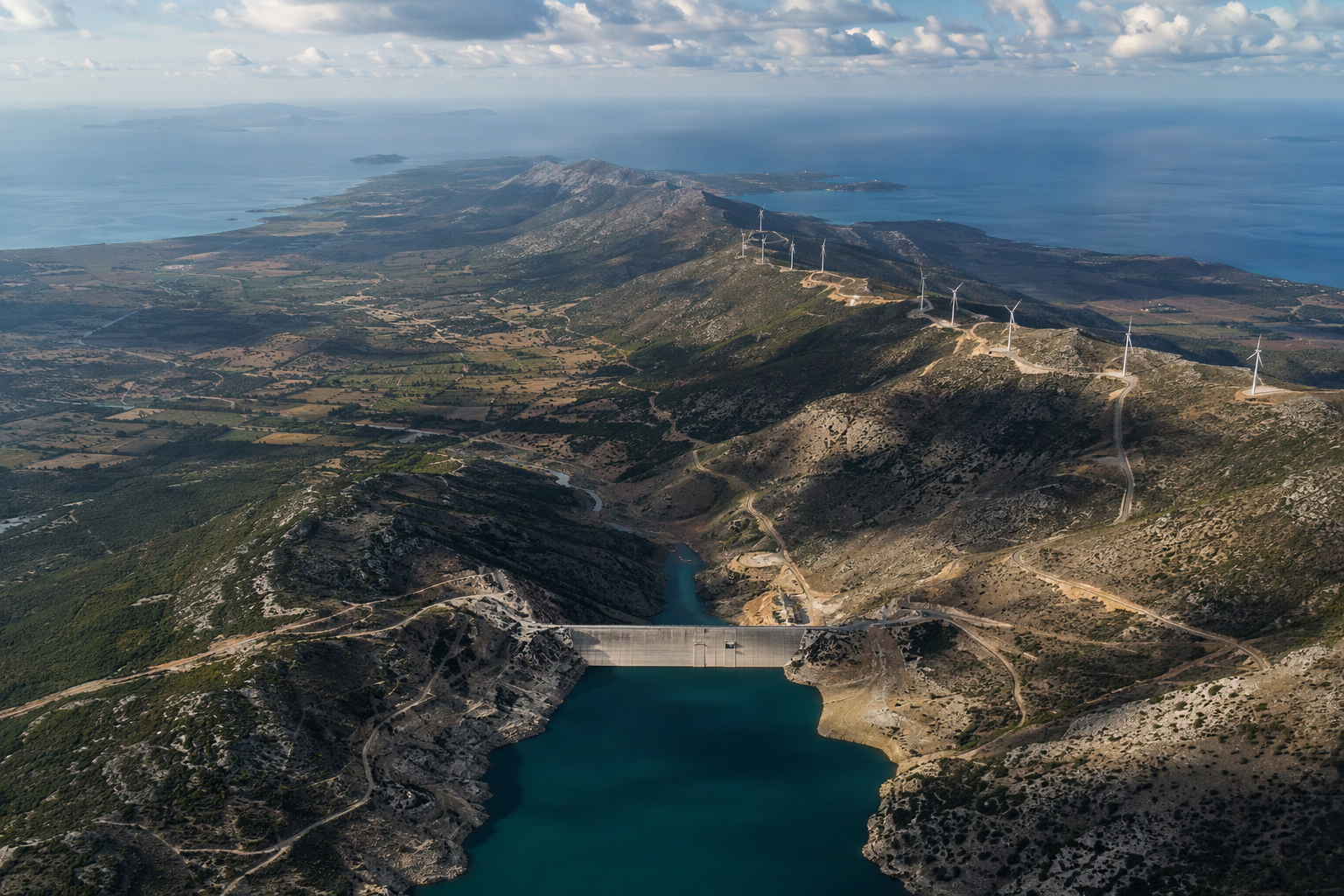
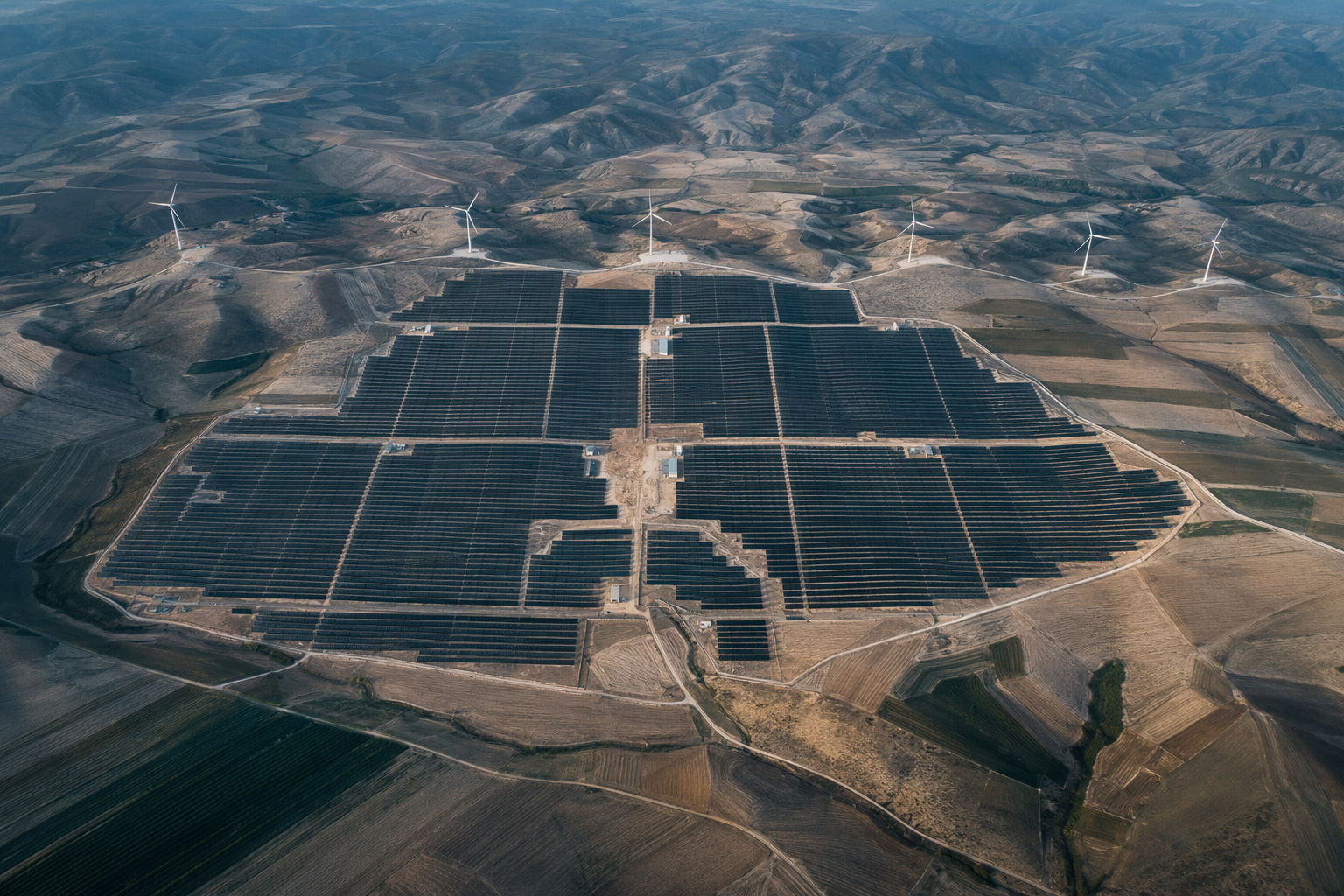
Kurum said Türkiye was moving away from fossil fuels through investment in electrification. He said investments planned through 2040 are intended to enable the country to declare energy independence. The minister also described Türkiye as ranking sixth in Europe and 11th worldwide for renewable-energy investment.
For the earthquake-affected region, Kurum said newly constructed homes have achieved a 40% reduction in energy intensity. He characterised the buildings as energy-efficient and aligned with Zero Waste principles.
He further said that delivery of the government’s stated objectives would lower current emissions by about 30% by 2035. The remarks did not set out a new legal obligation, corporate deadline or financing mechanism.
Why it matters
The announcement brings together power-system investment, building efficiency and industrial transition within Türkiye’s stated climate agenda. For companies operating in or sourcing from the country, electrification and renewable power are the principal areas identified by the minister as the route away from fossil-fuel use.
Kurum presented the transition as commercially consequential over the next 10 to 15 years. In his view, private-sector action to modernise manufacturing can help preserve production and employment, while failure to transform could weaken output, jobs and trade. Those comments are a policy signal rather than a binding requirement for individual businesses.
The reported reduction in housing energy intensity also places reconstruction in the earthquake region within the government’s wider resilient-cities agenda. However, the briefing did not provide project-level data, construction standards or a timetable for extending the approach beyond the new homes cited.
What to watch
Readers should monitor whether Türkiye publishes further detail on the investments behind the 2040 energy-independence objective, including delivery milestones for electrification and renewable capacity. They should also assess how the government substantiates its projected 2035 emissions reduction and its ranking for renewable-energy investment.
For now, the concrete milestones presented at the briefing are an intended 2040 energy-independence outcome and an estimated emissions reduction of around 30% by 2035, contingent on implementation of the stated goals.