What happened
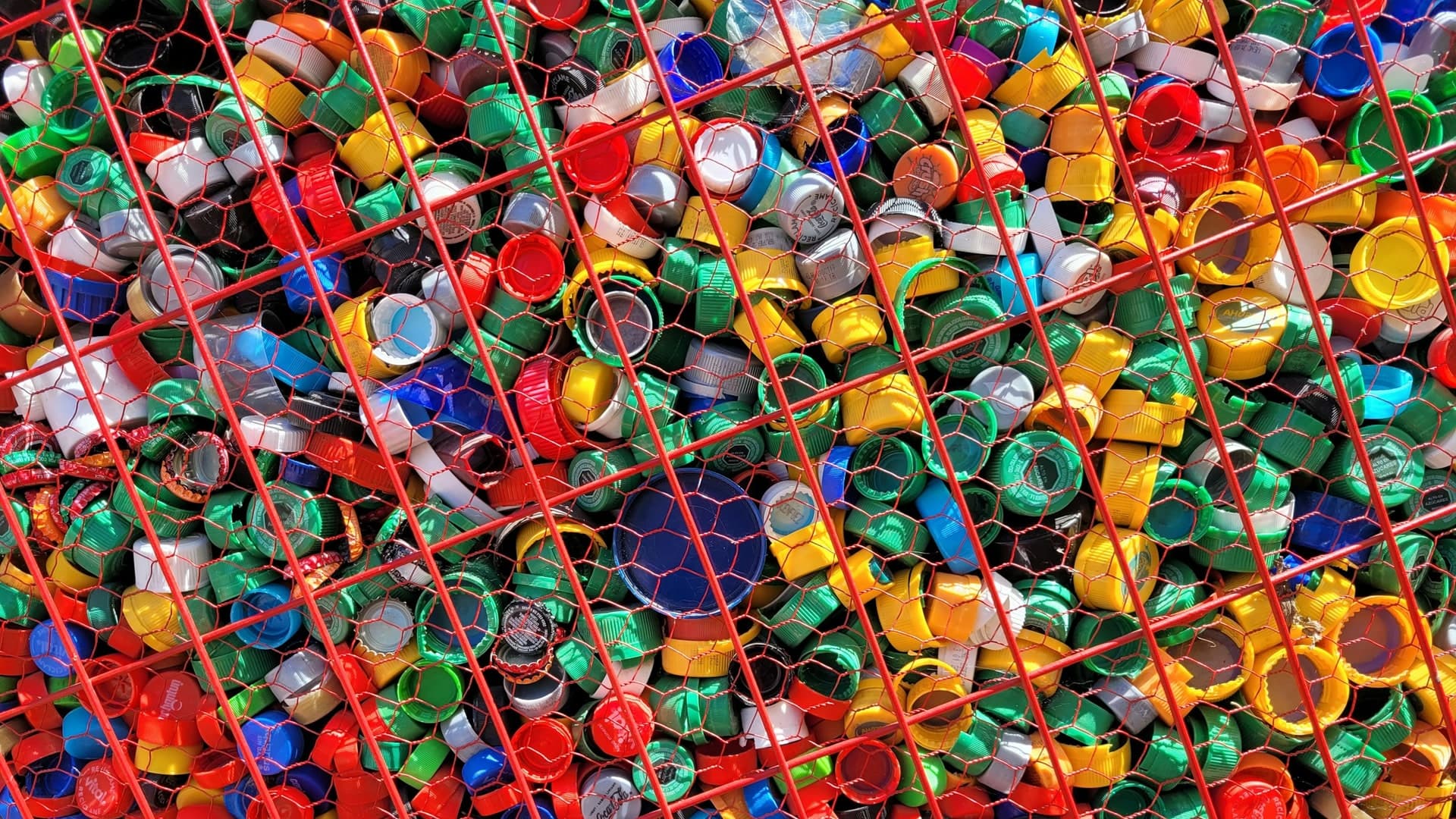
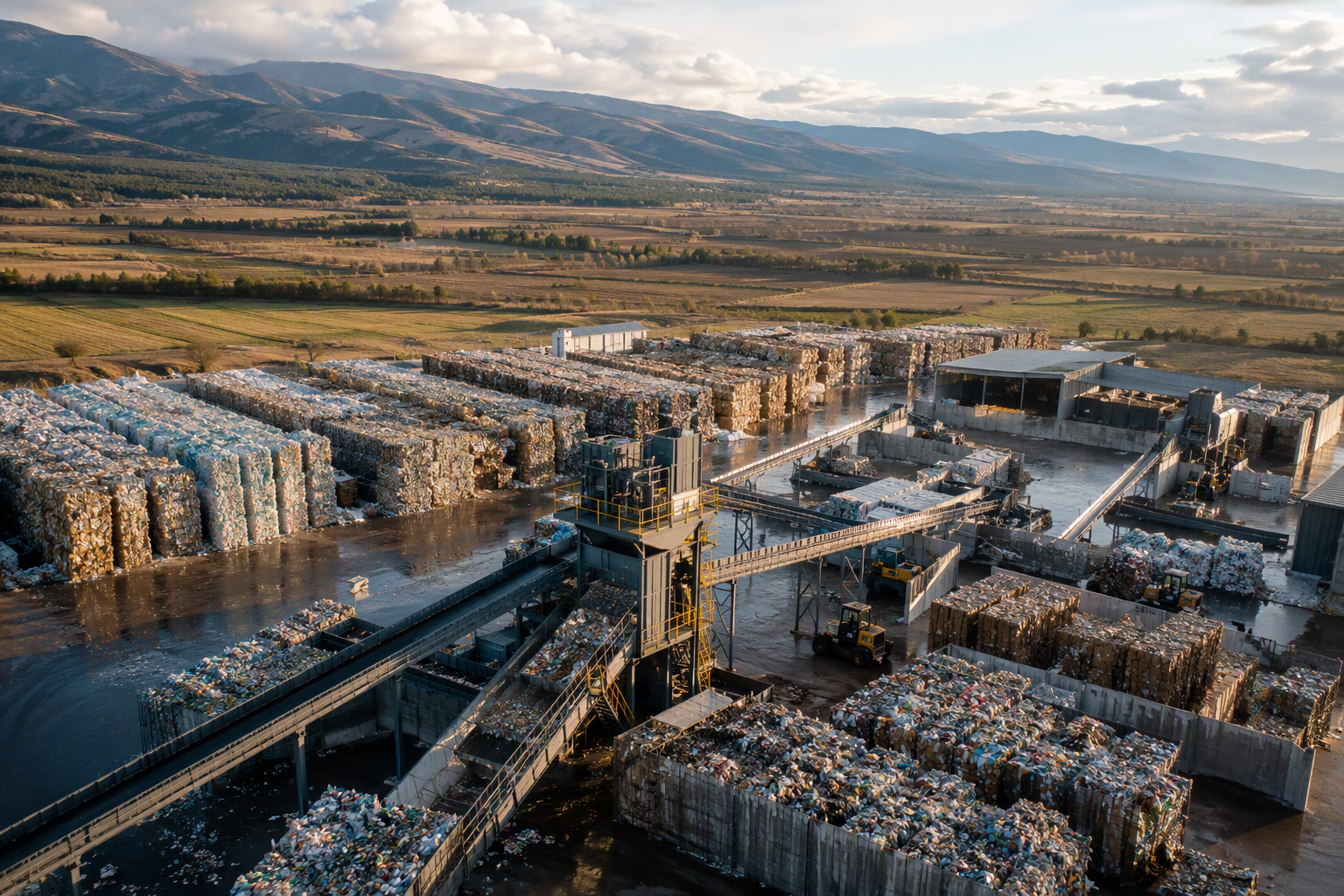
Türkiye has presented proposed global targets on recycled materials and waste ahead of COP31, according to Climate Home News. The host country’s package would seek to increase recycled products’ contribution to total material use to no less than 15%.
The source puts the 2025 share at 6.9%, providing the starting point against which the proposed target would be measured. Türkiye has also proposed a 50% reduction in waste generation by 2035.
Climate Home News reported that the plans were outlined around the UN General Assembly in New York. The proposals form part of a wider effort, described by the source, to speed up emissions reductions during the coming decade.
For sustainability professionals, the immediate next step is to follow whether these proposed material and waste objectives gain traction in the run-up to COP31. The evidence provided does not set out detailed delivery mechanisms, sector-specific requirements or company obligations.
Why it matters
The proposals bring material circularity directly into the climate discussion. They link the use of recycled products and lower waste generation with the effort to reduce emissions, rather than treating materials policy as separate from decarbonisation.
In an opinion article for Climate Home News, Chatham House senior research fellow Patrick Schröder argues that COP31 should give greater priority to reducing raw-material use within national decarbonisation strategies. He characterises the summit as an opportunity to connect circular use of materials with more robust emissions-cutting pathways.
The figures also indicate the scale of the proposed change. Moving from a 6.9% share in 2025 to a minimum 15% share would more than double recycled products’ place in material use. However, the available source presents this as a proposed global goal, not an agreed outcome.
What’s next
COP31 is due in November. Discussions before and during the summit will determine whether Türkiye’s suggested targets become part of the agenda or are reflected in any wider outcome. The waste objective has a 2035 deadline; no separate deadline is stated in the supplied evidence for the recycled-products goal.