What happened
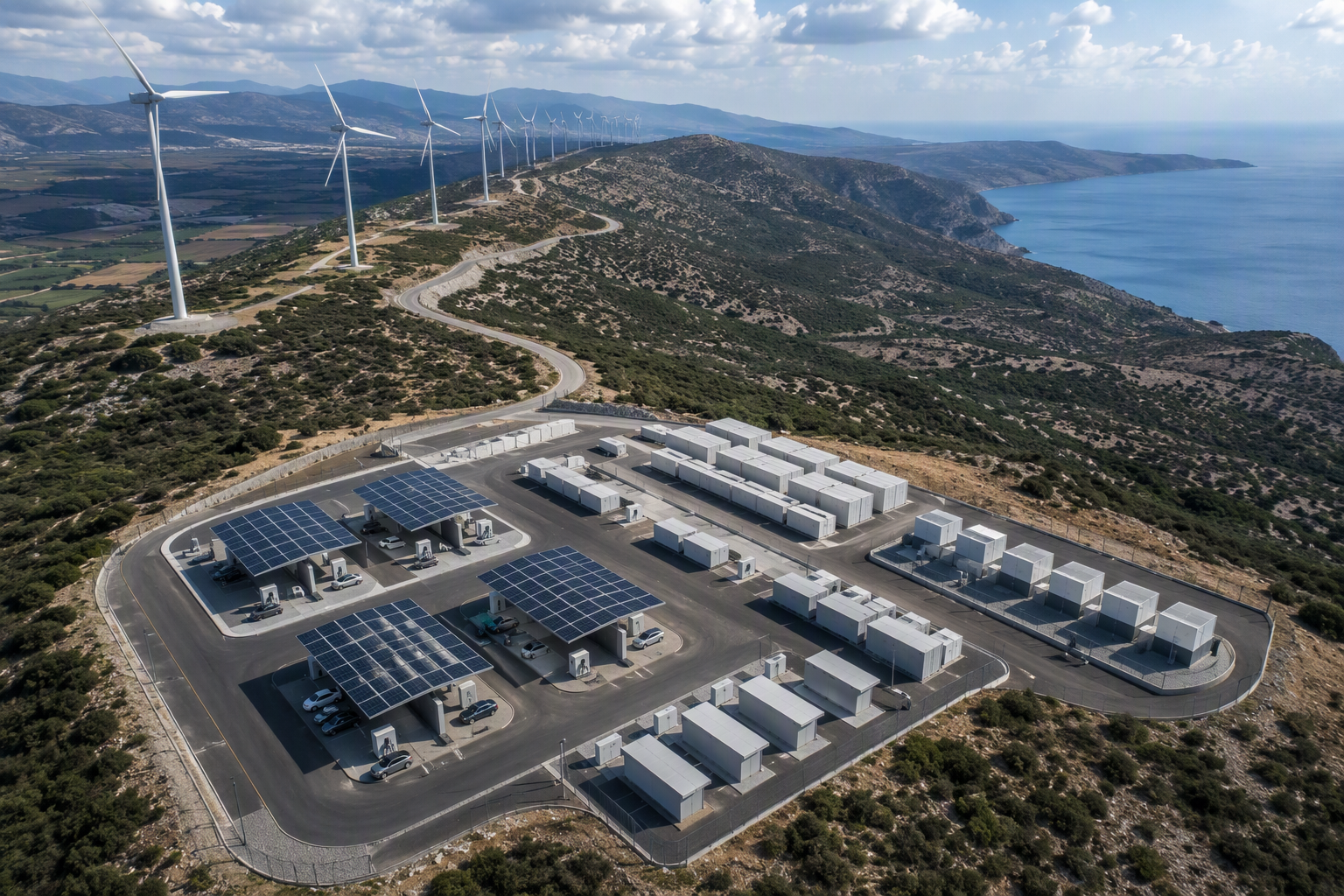
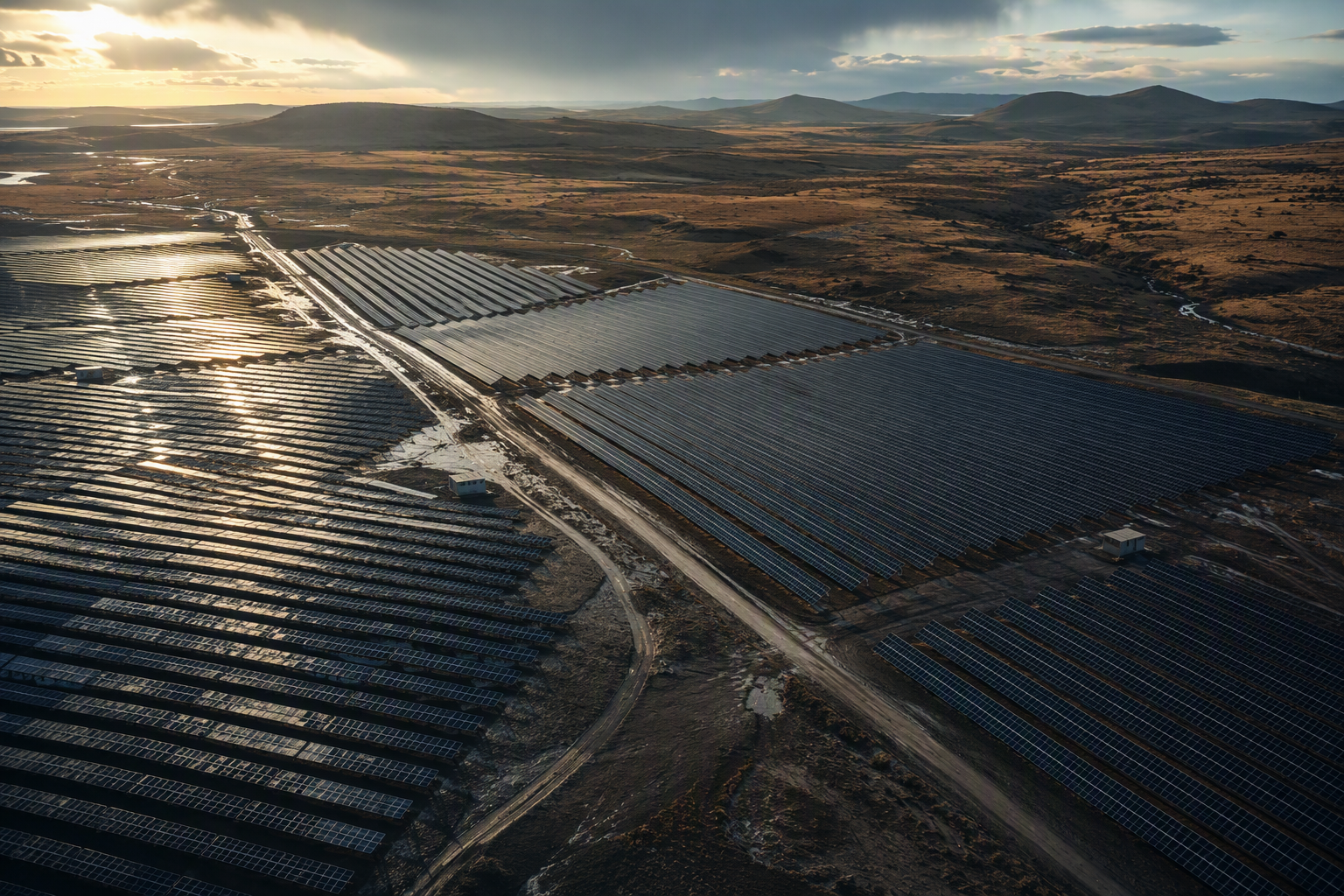
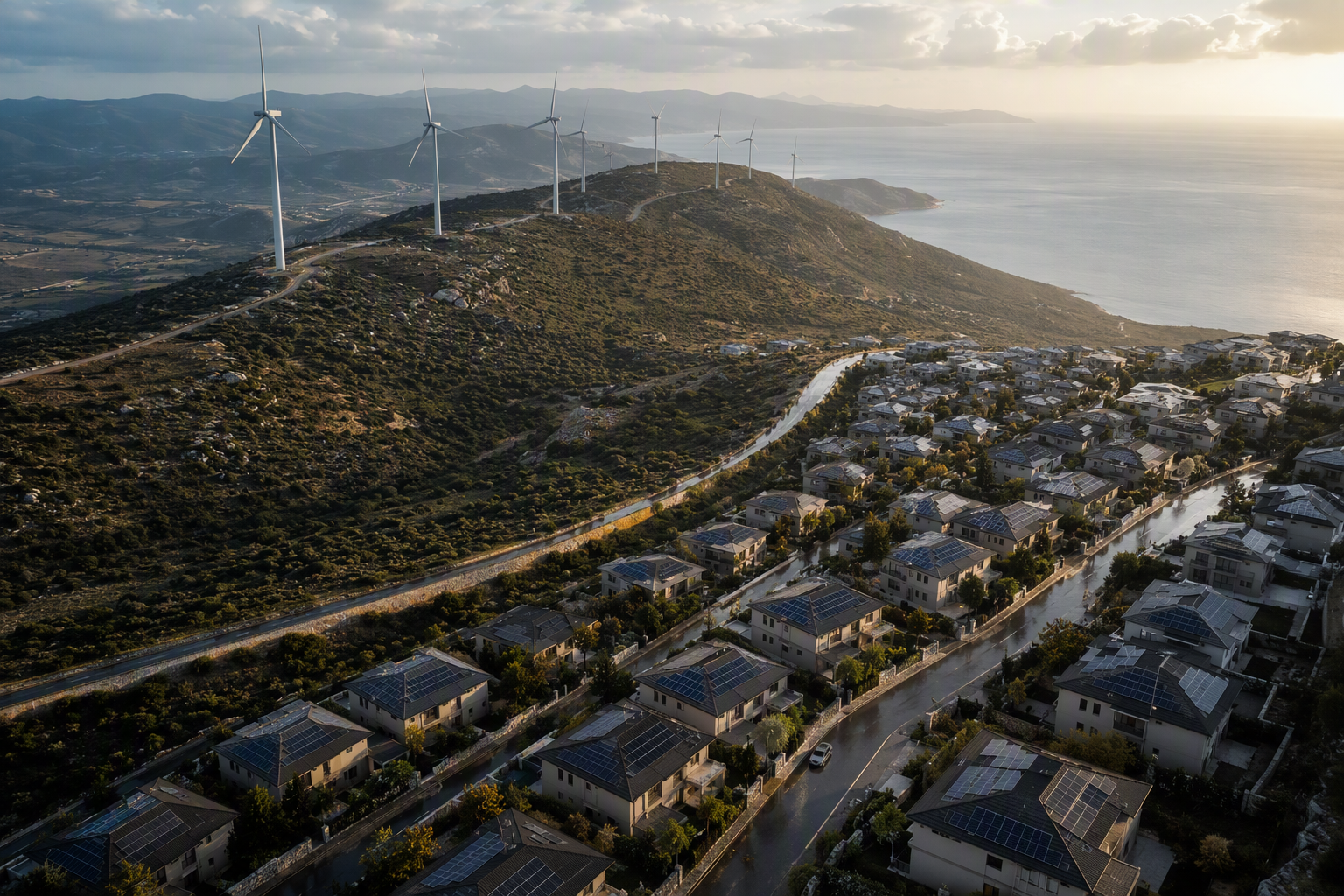
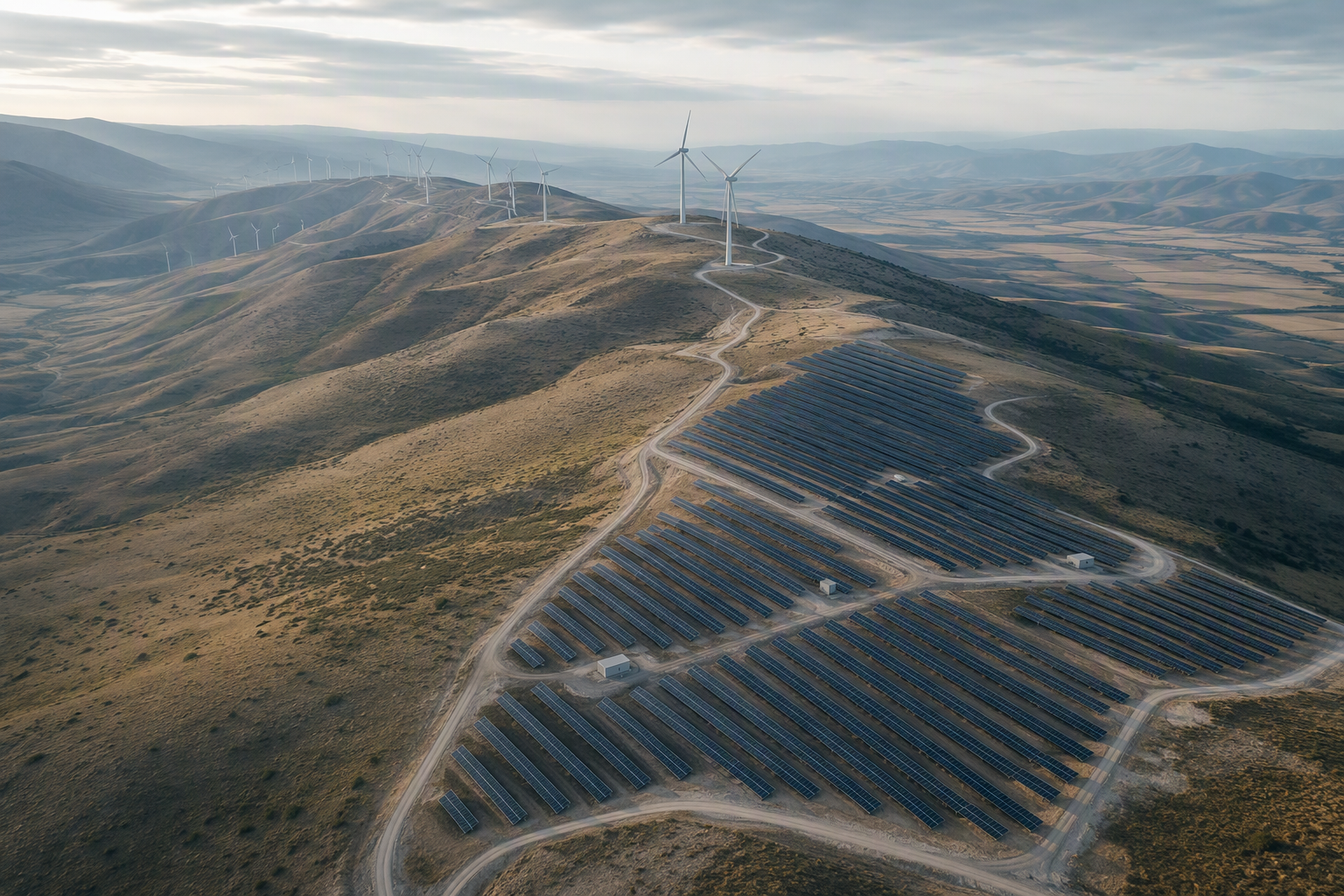
Türkiye’s installed power capacity reached 126,944 MW at the close of August 2026, according to İklim Haber. Solar and wind installations combined amounted to 43,348 MW, giving the two technologies a 34.2% share of the national total.
Solar was the larger of the two: installed solar capacity stood at 27,914 MW, equivalent to 22% of all capacity. Wind capacity was reported at 15,434 MW, or 12.2%.
Renewable technologies in aggregate accounted for 79,902 MW, representing 62.9% of installed capacity. The reported share for domestic energy resources was 72.1%.
The August figures provide a capacity snapshot rather than a measure of electricity output. They show the relative scale of the country’s solar and wind fleet within its overall installed generation base.
Why it matters
Solar and wind now make up more than one-third of Türkiye’s installed electricity capacity. For developers, generators, investors and large power users, the data establishes a current benchmark for the two technologies’ place in the national fleet.
The split also highlights solar’s larger installed base. Solar capacity exceeded wind capacity by 12,480 MW at the end of the month, based on the reported totals. Meanwhile, the 62.9% renewable share places solar and wind within a broader renewable-capacity portfolio.
Alparslan Bayraktar, Türkiye’s energy and natural resources minister, said the government would accelerate renewable investment, particularly in solar and wind. He linked that approach to energy supply security, the country’s 2053 net-zero emissions objective and the COP31 process.
What to watch
Readers tracking Türkiye’s electricity transition can use the August data as a baseline for later capacity updates, with particular attention to changes in solar and wind additions and their respective shares of total capacity.
Future official or reported releases will indicate whether renewable capacity continues to gain share, and whether the gap between solar and wind installations narrows or widens. The available figures do not provide a timetable or target capacity for subsequent additions.