What happened
Climate diplomacy and energy-security specialists have called on Türkiye and Australia to demonstrate domestic action ahead of COP31, which is scheduled to take place in Antalya under Türkiye’s presidency.
The call comes before the UN General Assembly meetings in New York, scheduled for 21–25 September. Australia holds the role of COP31 negotiations president. Speakers at a press briefing said progress in the two countries’ own energy policies would influence both their standing as summit leaders and the prospects for an outcome at COP31.
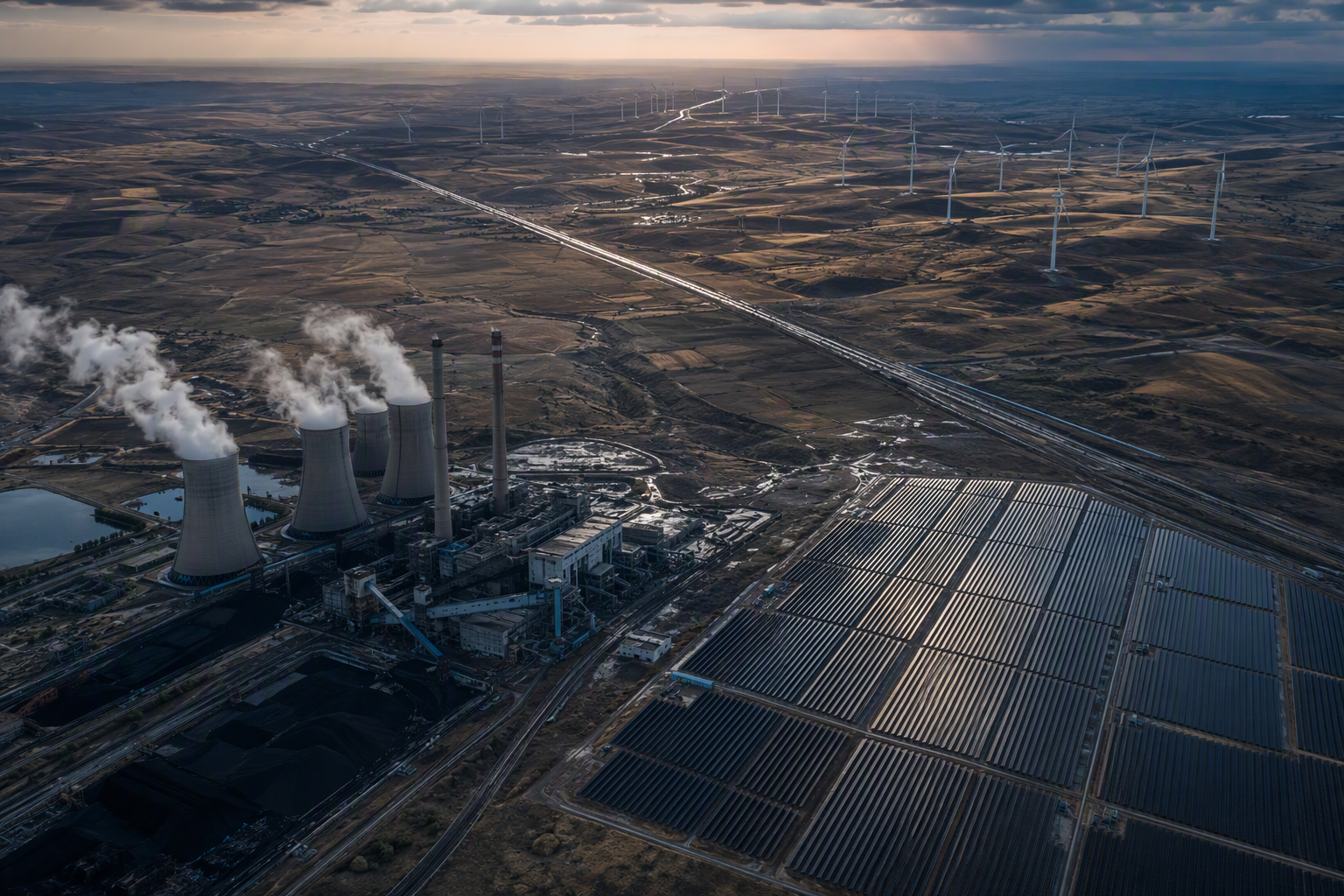
Jennifer Morgan, a senior fellow at Tufts University’s Fletcher School of Law and Diplomacy and Germany’s former climate envoy, said the COP31 presidency should set out a clear and detailed plan for the summit. She said both Türkiye and Australia continued to support new fossil-fuel investment, had not established dates to leave coal, and were still increasing fossil-fuel use, despite advances in renewable energy.
Ajay Mathur of the Indian Institute of Technology’s School of Public Policy said recent geopolitical disruption had exposed the vulnerability created by the global economy’s reliance on fossil fuels. He said Türkiye and Australia should help secure specific, measurable commitments at COP31.
Why it matters
The experts linked climate action to energy affordability and security. Natalie Jones, a senior policy adviser at the International Institute for Sustainable Development, said the UN General Assembly and COP31 could help leaders pursue reliable, affordable energy while strengthening climate security through a faster shift away from fossil fuels.
For Türkiye, the credibility of its COP31 presidency will be assessed alongside its national energy choices. For Australia, its role leading negotiations creates a similar expectation that domestic policy should support the international process.
Ümit Şahin, climate-change studies coordinator at Istanbul Policy Center, identified three priorities for Türkiye at COP31: making Antalya a summit focused on implementation, adopting an electrification target, and connecting climate projects with finance. He said COP31 president Murat Kurum has presented electrification as a response to energy-price shocks and dependence on imported fossil fuels.
Background
Şahin noted that governments at COP28 agreed to move away from fossil fuels in a fair, orderly and equitable manner. He said the intended role for COP31 is to translate that direction into practical action, including through greater electrification in daily life.
Laurence Tubiana, chief executive of the European Climate Foundation, said the economic costs of climate change needed greater visibility. She also pointed to geopolitical risks in renewable-energy supply chains, warning that concentration of clean-technology production could constrain the benefits of clean electrification and energy independence.
What's next
The UN General Assembly will convene in New York from 21 to 25 September. COP31 is due to follow in Antalya two months later, with expectations focused on the clarity of the hosts’ vision and the commitments countries are prepared to make.