What happened
Türkiye’s Environment, Urbanisation and Climate Change Minister Murat Kurum, who chaired COP31, outlined the country’s COP31 action agenda at a business forum in Antalya. The forum was organised by the Union of Chambers and Commodity Exchanges of Türkiye (TOBB), COP31’s private-sector envoy.
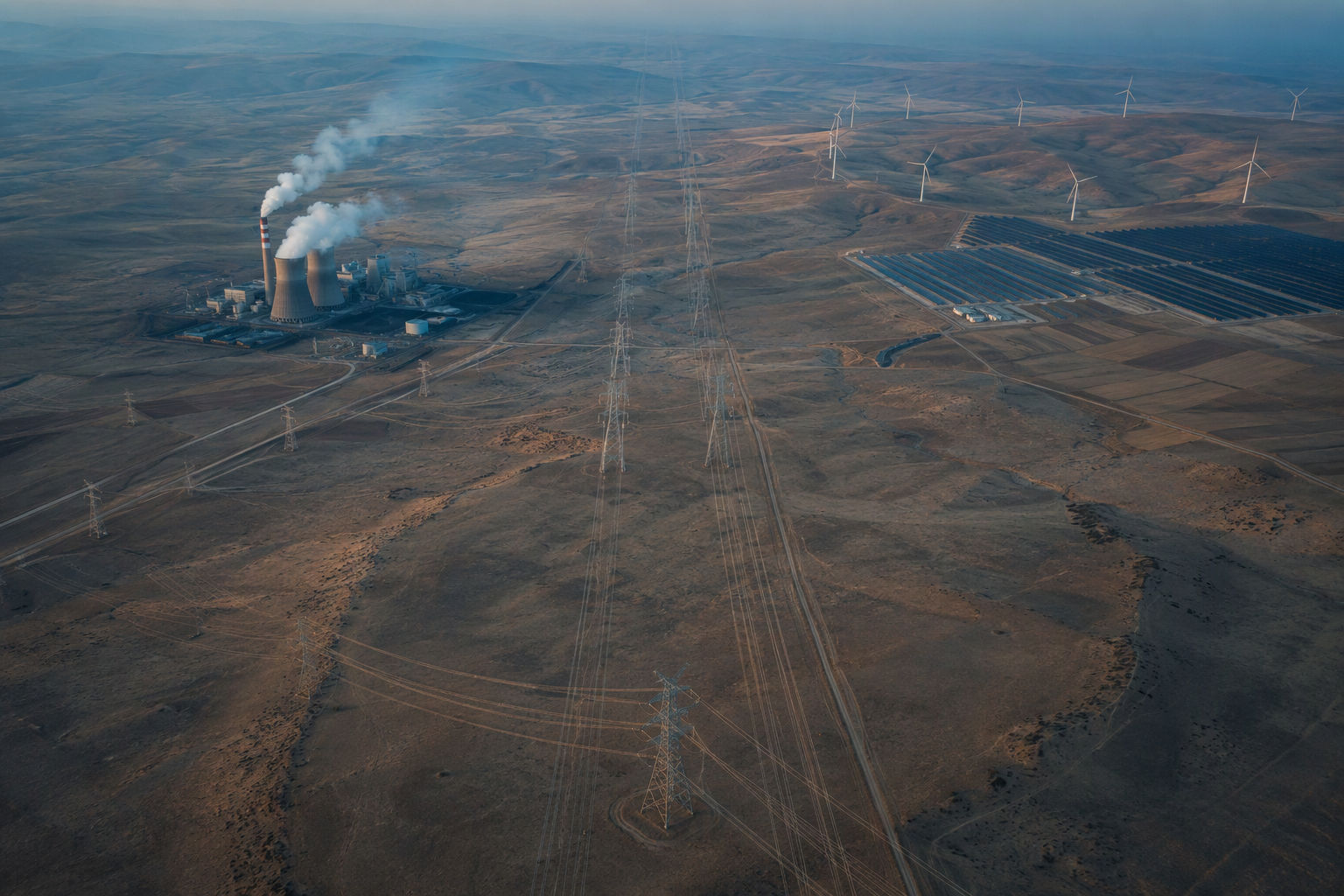
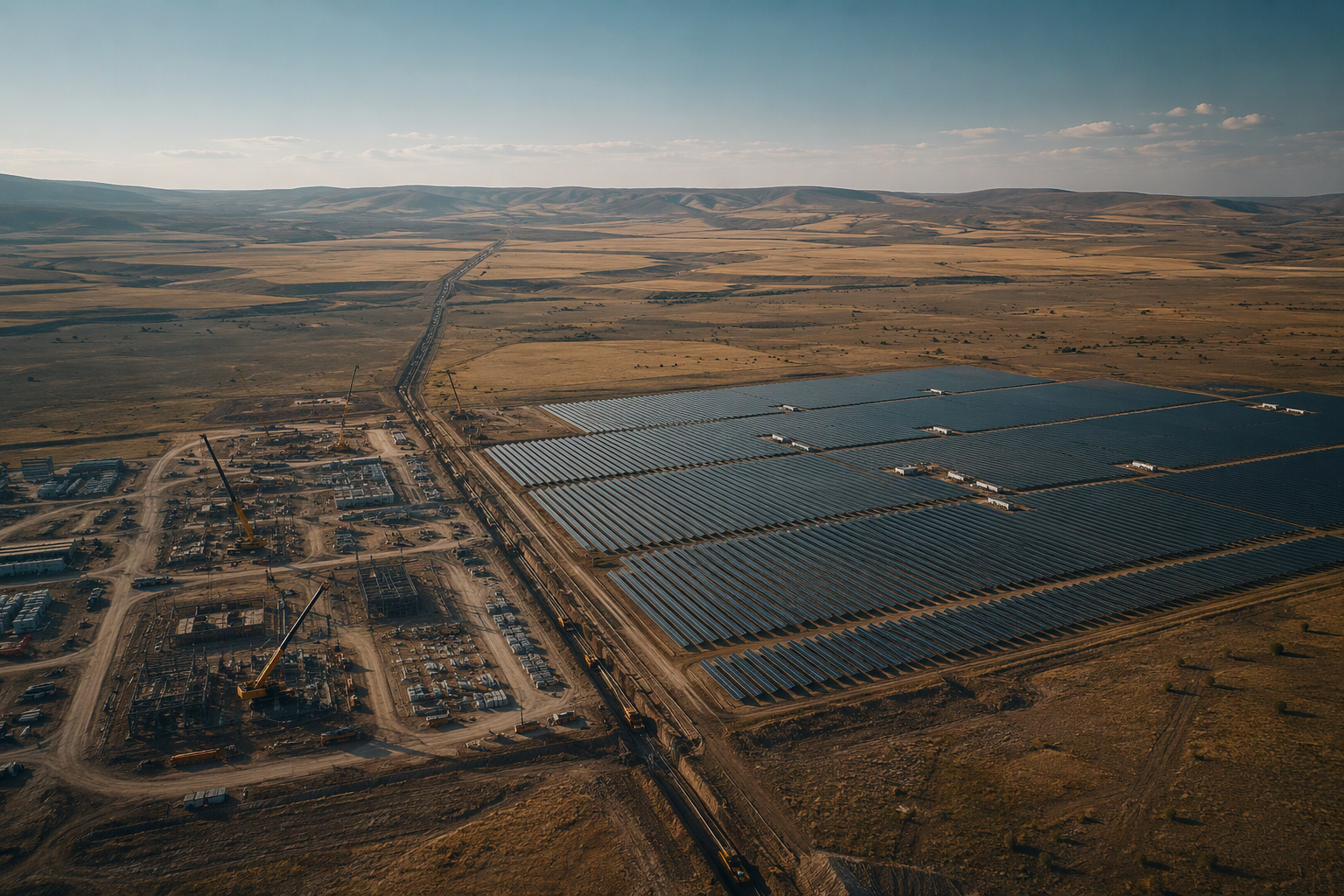
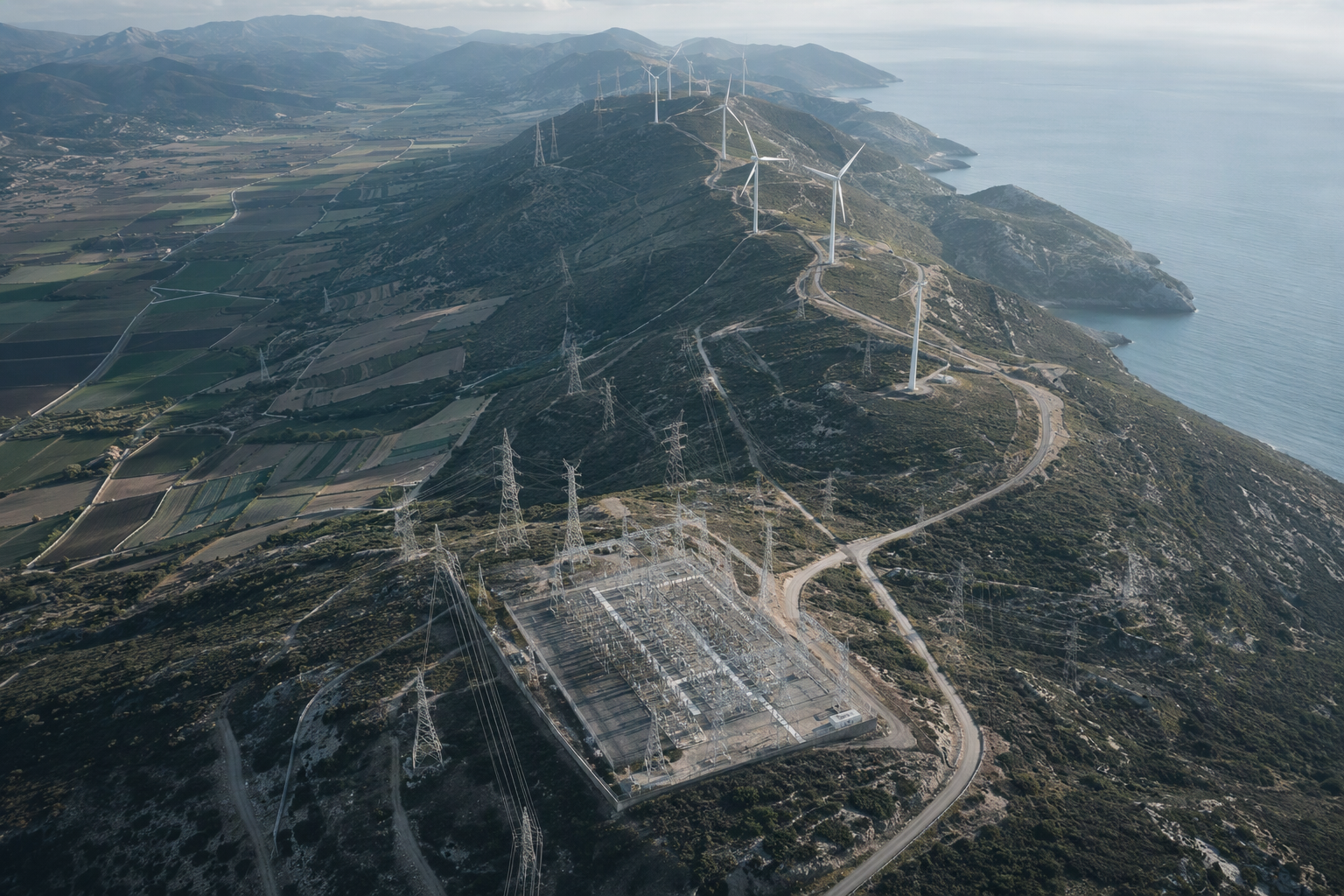
Kurum said the agenda includes a goal for electricity to make up 35% of final energy consumption by 2035. It also seeks to lift the share of circular materials used in production and manufacturing to at least 15% by that year.
He presented the Climate Implementation Bridge, a mechanism intended to help countries turn priorities into projects that can attract investment. The initiative is also intended to connect project needs with finance and technology, and to support implementation of countries’ nationally determined contributions through 2035.
The ministry said 100,000 participants had registered for the Antalya summit over two days. The event was attended by Vice-President Cevdet Yılmaz, World Bank Group President Ajay Banga, TOBB President Rifat Hisarcıklıoğlu, BBVA Chair Carlos Torres Vila and international business representatives.
Why it matters
The agenda places companies at the centre of delivery. Manufacturers and supply-chain businesses would need to apply electrification, resource efficiency, lower-carbon production, reuse and recycling in their operations if the stated targets are to be met.
For Turkish businesses, the proposal is designed to create a pipeline of projects that can seek finance and technology support. Kurum said the government wants the private sector’s experience from COP31 to reach small and medium-sized enterprises and develop into longer-term institutional capacity.
The ministry also framed clean technology, energy efficiency, circular-economy practices and new business models as areas for corporate investment and competitiveness.
What's next
The stated milestones run to 2035. Türkiye’s COP31 presidency plans to expand the Climate Implementation Bridge by then, alongside its wider action agenda, which covers 10 areas including clean energy, electrification, green industry, waste, methane reduction, resilient cities, food security, oceans, health and youth.