What happened
Nineteen organisations working across energy, industry, transport, buildings, finance and climate have established Electrify Türkiye, a national arm of the global Electrify Now movement.
The group has issued an open letter calling for dialogue with stakeholders, including the COP31 Presidency and the Ministry of Energy and Natural Resources. It aims to support faster uptake of electricity supplied by renewable generation.
Its work is intended to help make achievable the National Energy 2040 Plan’s target for electricity to account for 36% of final energy use by 2040. The coalition also plans to contribute to revised national policy documents under the 35×35 framework.
SEFiA will act as the platform’s secretariat. The initiative brings together private-sector leaders, trade bodies and research organisations, and is open to participation and co-leadership by its member organisations.
Why it matters
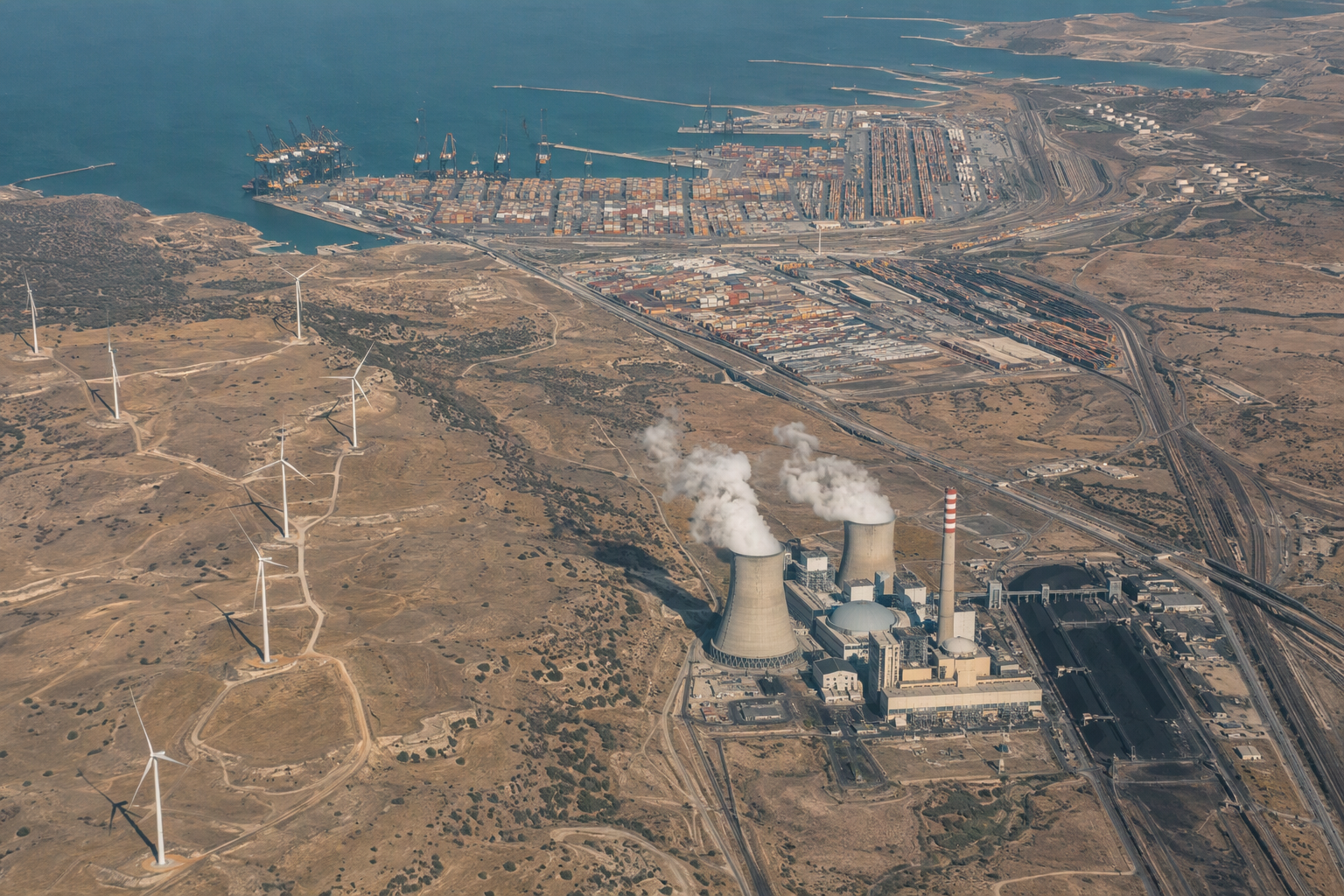
The coalition argues that electrification based on domestic renewable power can reduce Türkiye’s exposure to imported energy costs. It puts annual spending on energy imports at US$70–80 billion.
For businesses, the agenda extends beyond power generation. The group identifies grid investment, energy storage, system flexibility, electric vehicles and charging, heat pumps, distributed generation and domestic equipment manufacturing as relevant areas.
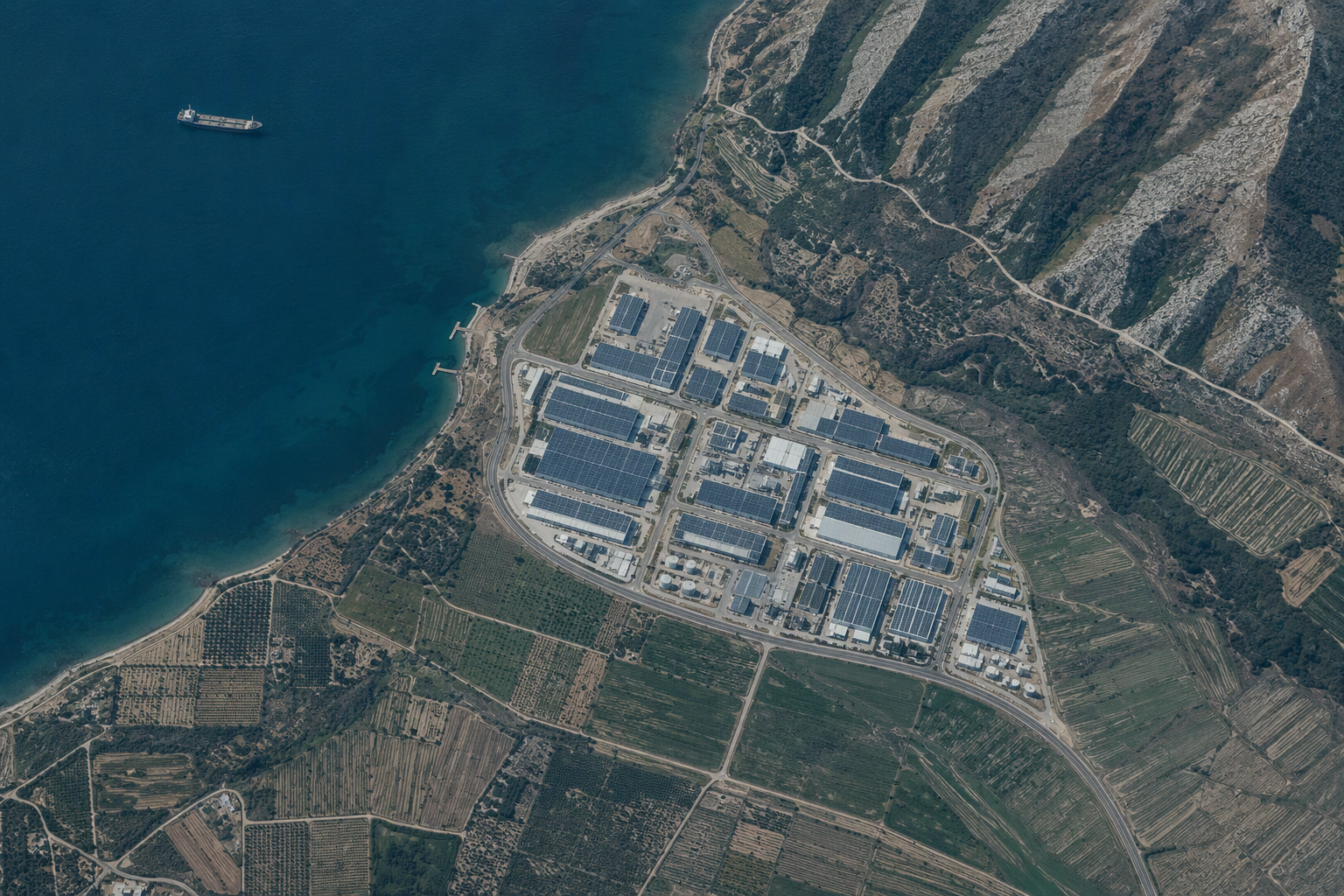
Industrial exporters are also affected by market requirements. The platform points to the EU Carbon Border Adjustment Mechanism and renewable-energy expectations from global buyers as reasons for manufacturers to secure renewable electricity.
Its commitments include identifying technical, financial and regulatory barriers; developing investable projects; and improving access to finance through development banks, financial institutions and private investors. It also intends to support small and medium-sized enterprises, alongside industry, buildings, transport and agriculture, in moving towards electric solutions.
Background
Electrify Türkiye cites International Energy Agency and International Renewable Energy Agency analysis indicating that electricity’s share of final energy consumption needs to exceed 50% by 2050. It says this shift requires storage, flexible energy systems and upgraded, resilient grids.
The group describes the National Energy 2040 vision as placing electrification at the centre of energy policy. It highlights the plan’s focus on energy efficiency, renewable-capacity growth, transmission and distribution networks, batteries, pumped storage and demand-side flexibility.
What's next
The platform will work around the 2040 electrification target and planned policy revisions associated with the 35×35 goal. Its proposed activities include agreeing a shared roadmap and messaging, sharing data and resources, running joint policy and awareness work, and building a wider coalition aligned with the national target.