What happened
The 2026 International Day of Clean Air for blue skies will centre on combining measures to improve air quality with climate action. Its campaign message links cleaner air with healthier populations and shared prosperity.
The United Nations General Assembly designated 7 September as the International Day of Clean Air for blue skies in 2019. The observance is intended to raise the profile of clean air and encourage stronger action to reduce pollution.
The material identifies air pollution as a major cause of avoidable illness and death, with about 7 million premature deaths worldwide each year. It also stresses that pollutants do not remain within national borders. Pollution originating in China, for example, is estimated to influence cyclone intensity over the Pacific and to travel as far as western US states.
Why it matters
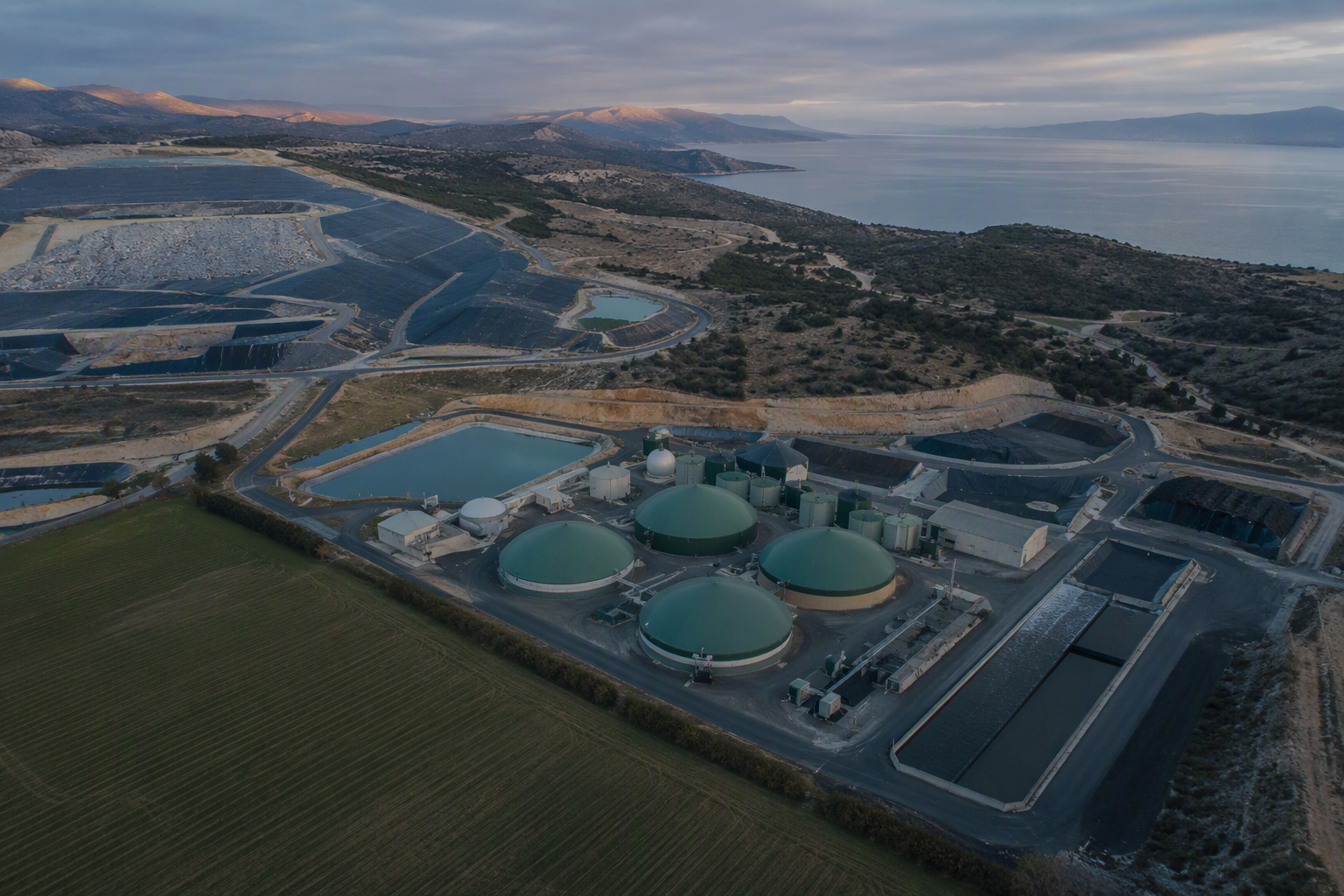
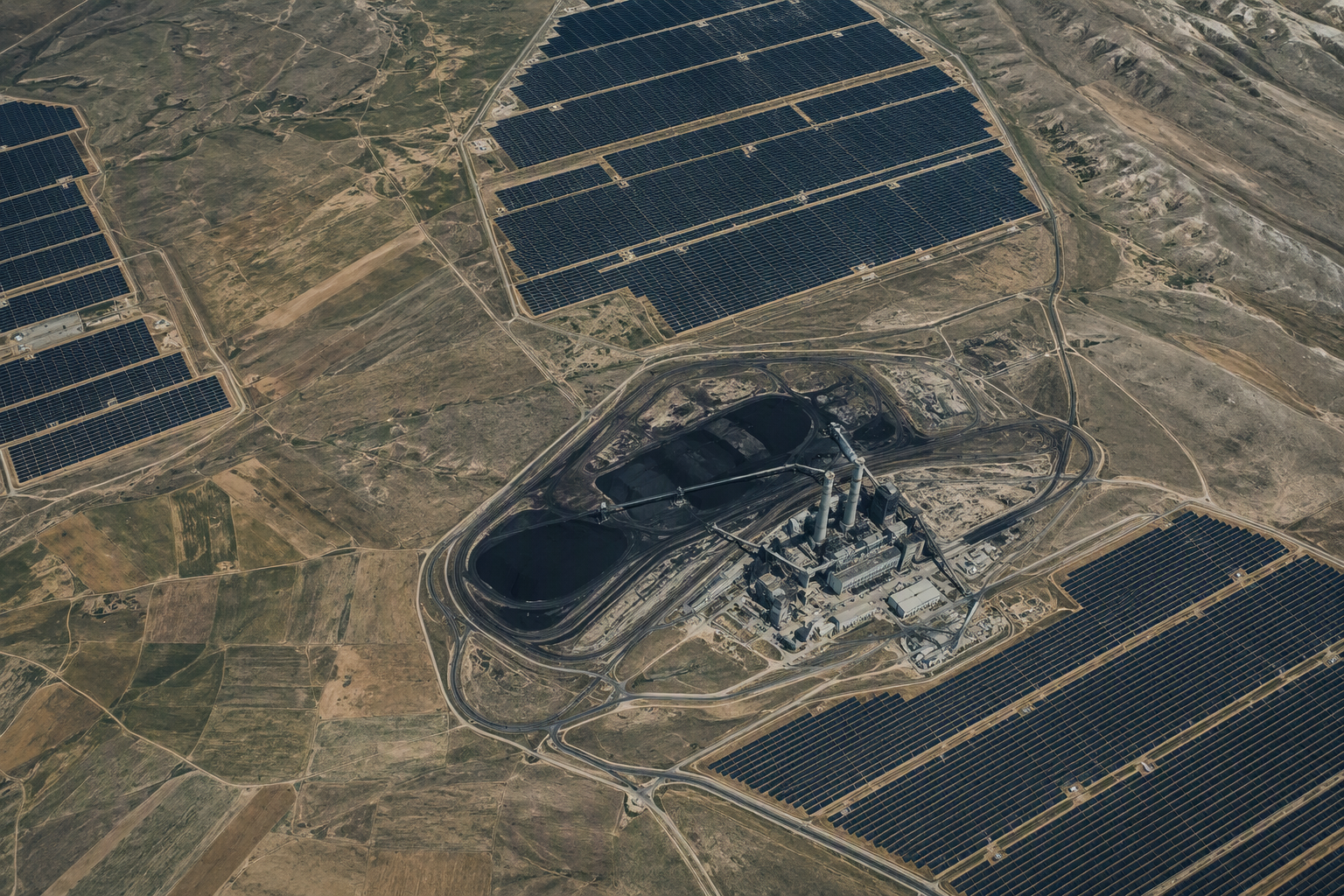
The 2026 campaign presents air-quality action as part of climate policy rather than as a separate environmental issue. Many air pollutants also intensify the effects of climate change, while cleaner air can help reduce climate-related harm.
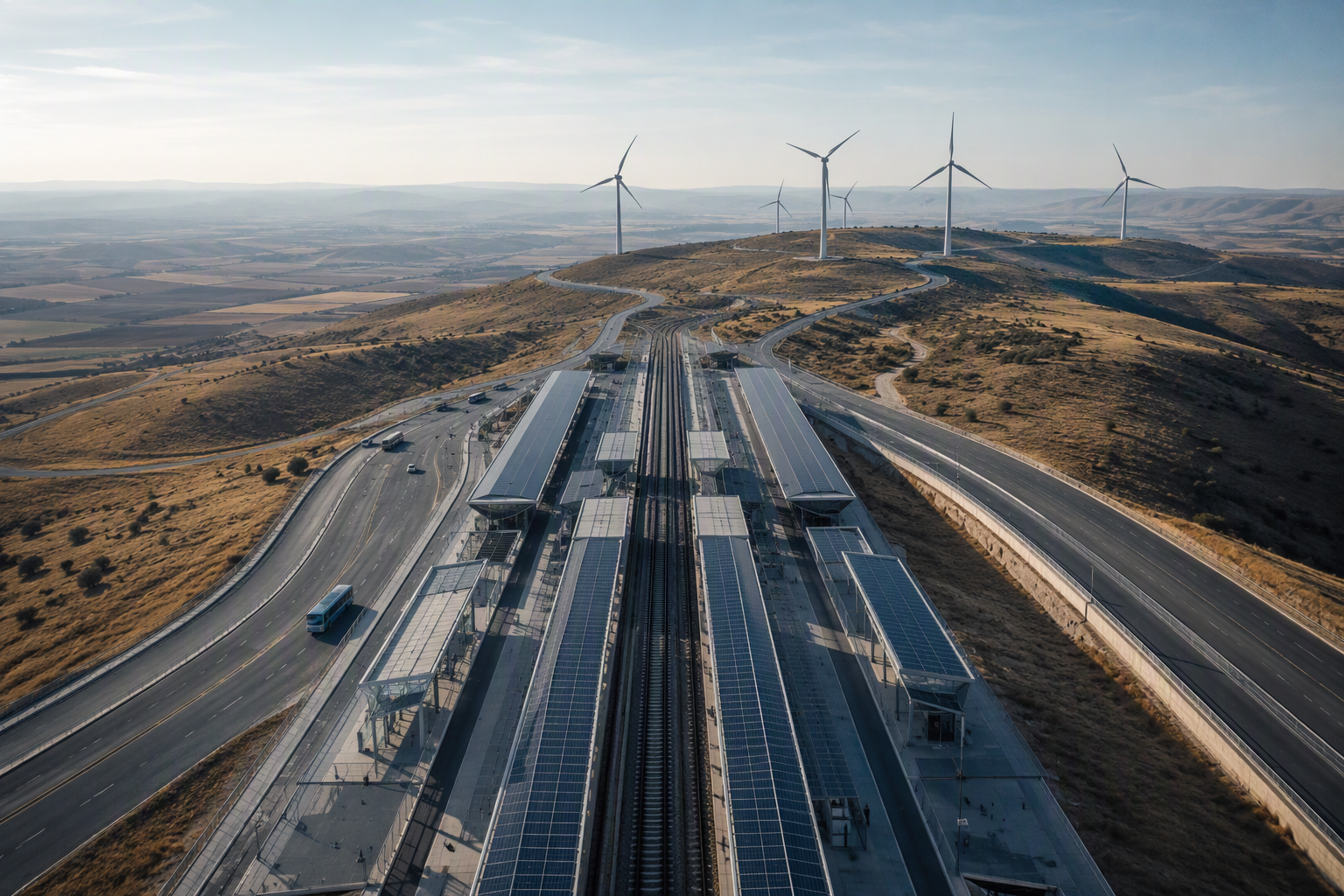
For companies and policymakers, the priorities identified are greater investment in renewable energy, clean transport, energy efficiency and a shift away from fossil fuels. The material associates pollution cuts with fewer illnesses and premature deaths, lower healthcare spending and higher workforce productivity.
Integrating the two policy areas could therefore support public-health outcomes, economic performance and progress towards climate targets at the same time.
Background
Children and older people are disproportionately affected by air pollution, which also damages ecosystems. The source cites United Nations Environment Programme data indicating that pollution is connected to one in five premature deaths in the Western Balkans.
What's next
The next International Day of Clean Air for blue skies falls on 7 September 2026. Its campaign will continue to emphasise coordinated climate and clean-air policies.