What happened
The Asian Infrastructure Investment Bank (AIIB) has agreed a $1.6bn policy-finance package with Türkiye to support reforms linked to the country’s climate objectives. According to AIIB, this is the bank’s largest policy-based climate financing package so far.
The programme spans fiscal policy, financial regulation and sectoral planning. It is intended to support delivery of Türkiye’s Climate Law, its 2035 interim emissions objective and its 2053 net-zero target.
Funding will also support the expansion of sustainable finance, decarbonisation efforts and adaptation measures. The reform agenda covers planning and risk management related to water, ecosystems and health as Türkiye faces water scarcity, drought, extreme heat, wildfires and urban flooding.
Businesses and investors should monitor the proposed emissions-trading, reporting and renewable-licensing milestones, which provide the clearest near-term markers for implementation.
Why it matters
AIIB estimates that Türkiye needs an additional $68bn of climate investment by 2030, with about half expected to be provided by private-sector sources. The package is designed to establish policy frameworks that can help mobilise that capital.
A portion of the sustainable-finance work concerns the country’s developing emissions trading system. A domestic carbon price could support exporters to the European Union in carbon-intensive industries such as steel and cement.
The package therefore combines emissions-reduction policy with resilience priorities, rather than focusing solely on energy investment. It also links financial-sector reform to practical targets in power generation, agriculture and land management.
What to watch next
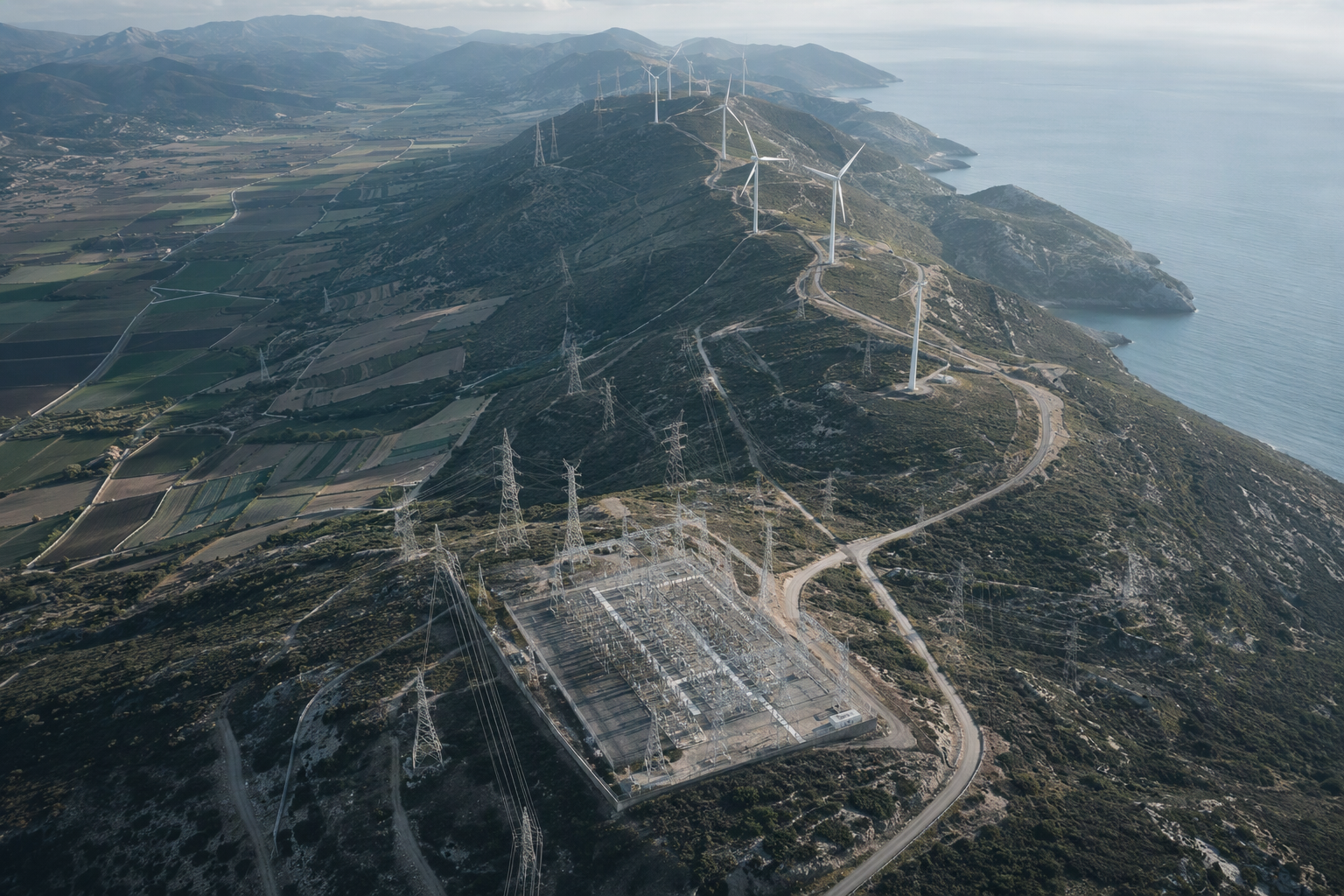
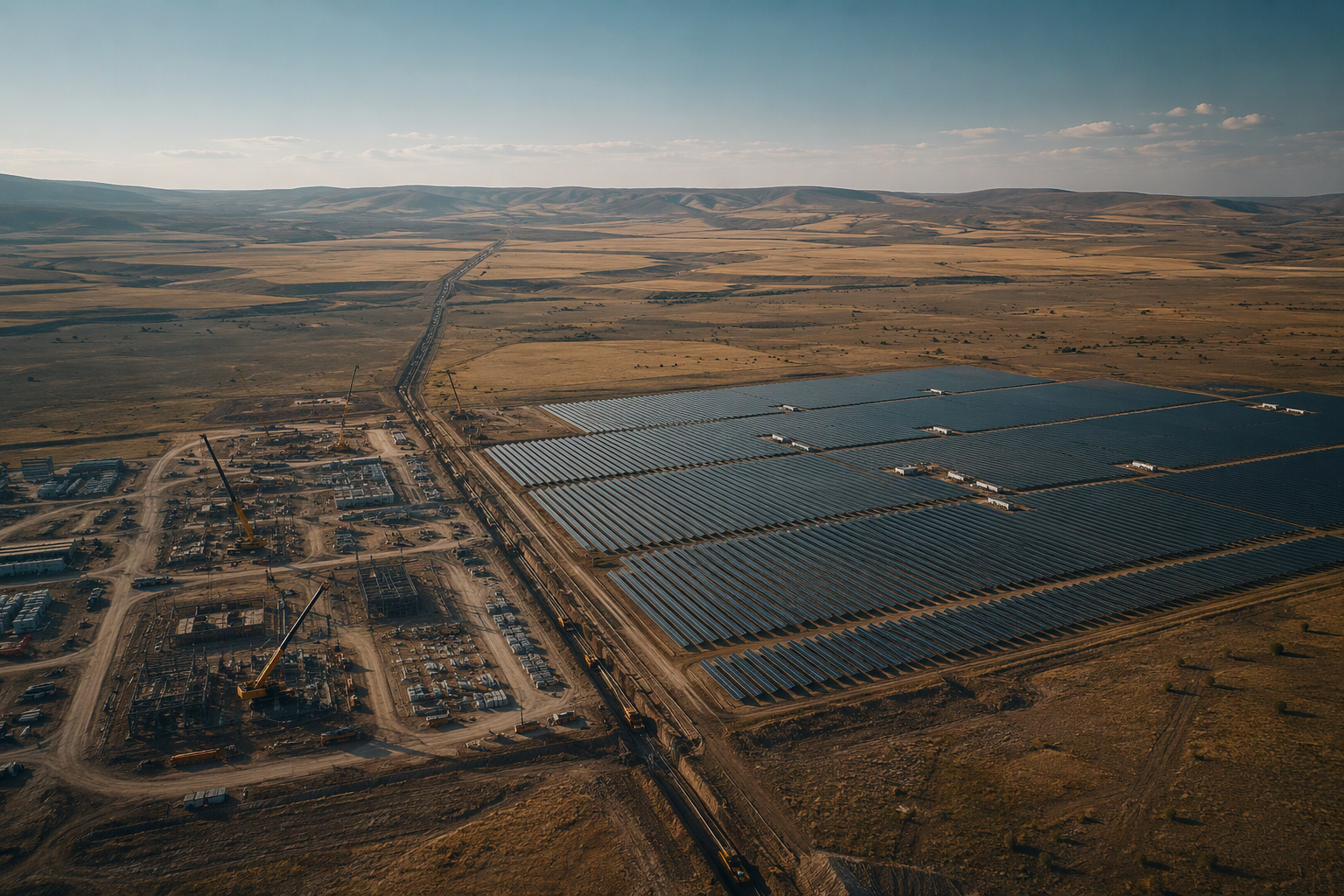
Under the programme, at least 180 installations are expected to submit baseline-emissions data for the trading system by April 2027. By early 2027, the plan seeks generation licences covering 1,800MW of wind and solar capacity.
Further targets extend to 2028. The programme aims to assist 225,000 farmers in water-stressed basins to adopt crops with lower water requirements, and to designate 50,000 hectares as carbon sinks.
These milestones will indicate whether the financing is translating into operational policy measures and investable activity across Türkiye’s climate transition.