What happened
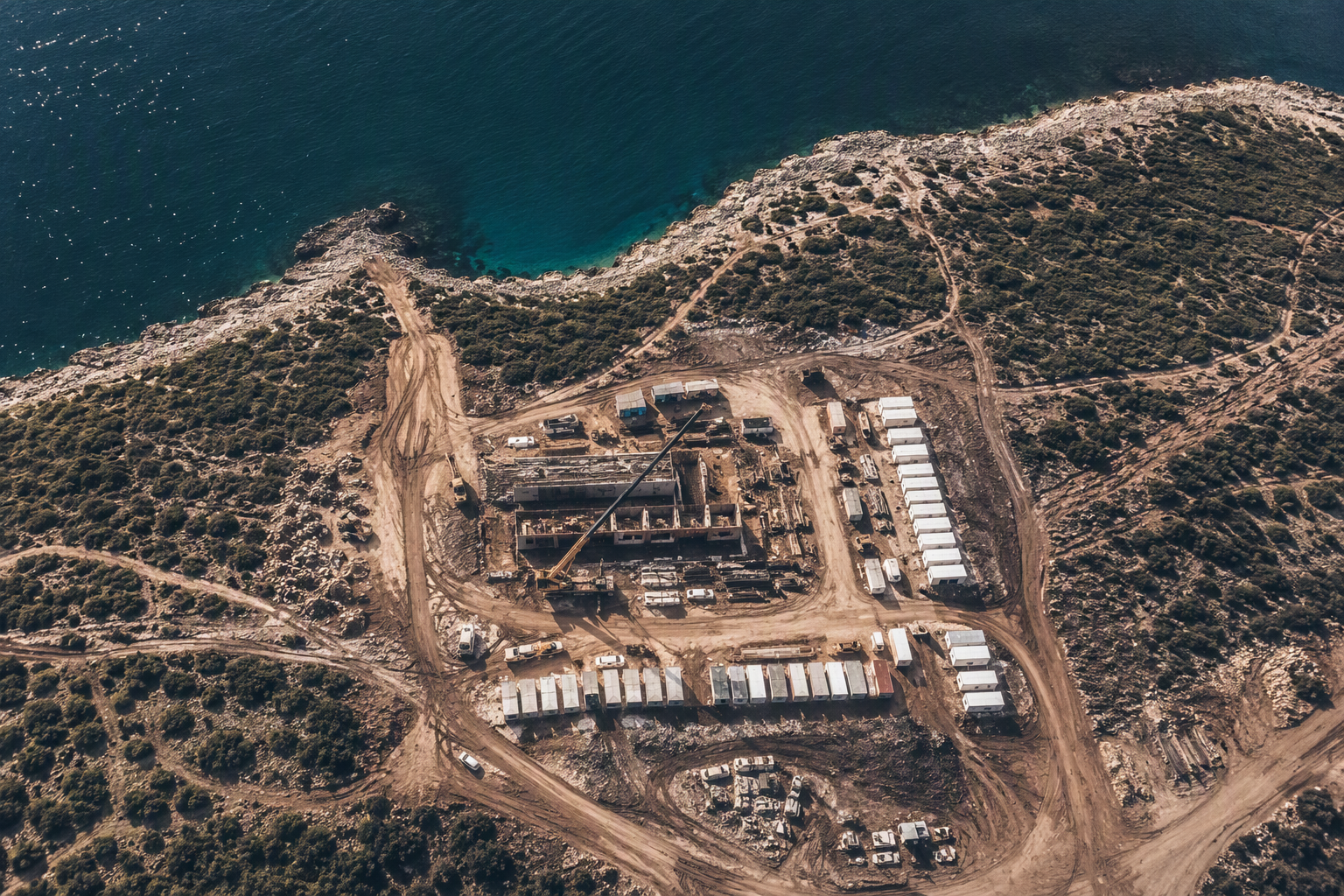
A tornado hit a construction site in the Fevzi Çakmak neighbourhood of Kepez, Antalya, at about 23:00 on 26 October. Two containers used by workers as accommodation broke apart and a tower crane fell.
According to the provincial governor’s office, four workers died and one was injured. Governor Hulusi Şahin said there were no reports of another tornado elsewhere in the city, and nearby buildings were not damaged. Water accumulated on streets in central Antalya that night, but no major flooding was reported.
The General Directorate of Meteorology had issued a yellow-level warning on the afternoon of 25 October. It covered local heavy rain in Antalya and the southern Aegean between the morning of 26 October and the night of 27 October. For western Antalya, it forecast 30–75 kg/m² of rain and listed coastal tornadoes among the possible hazards.
Why it matters
The deaths raise questions about whether severe-weather alerts reach people most exposed to the risk and whether they have somewhere safe to shelter. The article says it is not known whether the workers received the warning or had access to protected accommodation.
It identifies lightweight containers as particularly vulnerable in tornado conditions. It argues that wind-resistance and anchoring requirements for temporary construction-site accommodation, alongside evacuation arrangements during orange and red alerts, could reduce exposure.
For Turkish construction operators and local authorities, the incident highlights that climate adaptation involves the delivery of warnings and protection measures, not only the publication of forecasts. The source does not provide a specific EU policy or compliance implication.
Background
Antalya will host COP31 from 9 to 20 November, with delegations from 196 countries and an expected 80,000 to 120,000 visitors. The article presents the Kepez deaths as a local example of the adaptation and loss-and-damage issues due to be discussed at the summit.
It notes that records of 385 tornadoes in Türkiye between 1818 and 2013 show a secondary seasonal peak in October and November. Research cited in the article finds that sea surface temperature has a limited role in highly localised tornado formation, while approaching low-pressure systems, land-sea patterns and high terrain can be important. It says the precise origin of the Kepez tornado awaits meteorological radar analysis.
According to coastal meteorological stations cited in the article, average annual sea-surface temperature rose from 21.1°C in 1981–1991 to 22.3°C in 2014–2025. Warmer seas can add moisture and energy to the atmosphere, supporting heavier rainfall, although the article cautions against attributing this individual tornado directly to climate change.
What's next
COP31 is scheduled to begin in Antalya on 9 November. The article calls for practical measures to protect workers and other vulnerable groups during severe-weather alerts as Türkiye prepares to host the summit.