What happened
China has called on COP31, scheduled for Antalya next month, to put tariffs and other barriers affecting clean-energy technologies on its agenda. At a press briefing, Vice Minister of Ecology and Environment Li Gao said the summit should consider these issues alongside climate finance.
Gao described unilateralism and protectionism as newer challenges for international climate cooperation. He said they should be examined in addition to longstanding concerns over insufficient emissions cuts by developed countries and inadequate financial support.
The intervention comes as Chinese-made solar panels, wind turbines, batteries and electric vehicles face trade measures in major markets. The United States has high tariffs on Chinese solar panels and electric vehicles. The European Union has applied measures to Chinese cars, restricted certain solar-panel components and opened an investigation involving a major Chinese wind-power company over alleged unfair trade.
Gao also said COP31 should produce a plan for meeting the climate-finance commitment made in 2024: US$300 billion annually for developing countries.
Why it matters
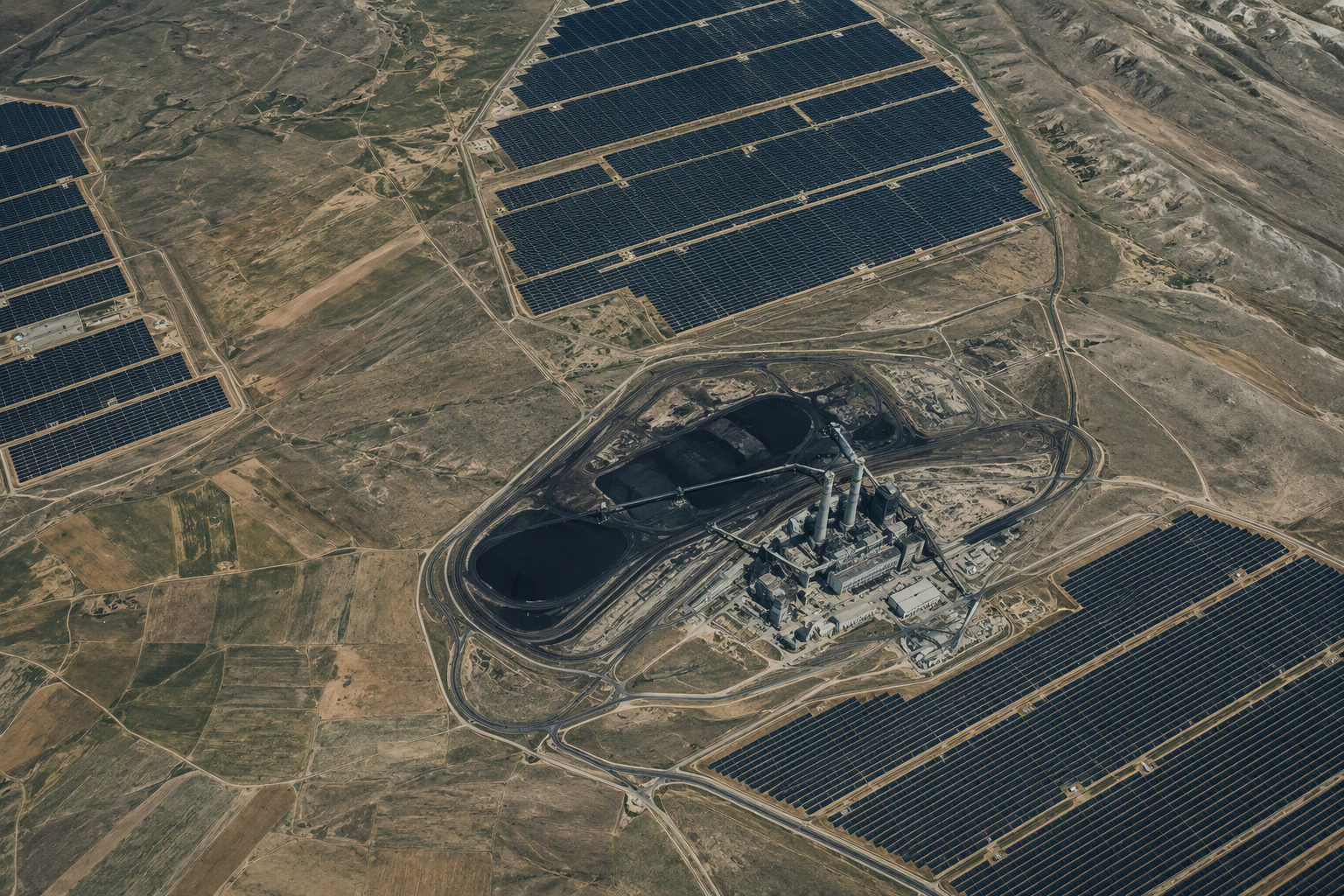
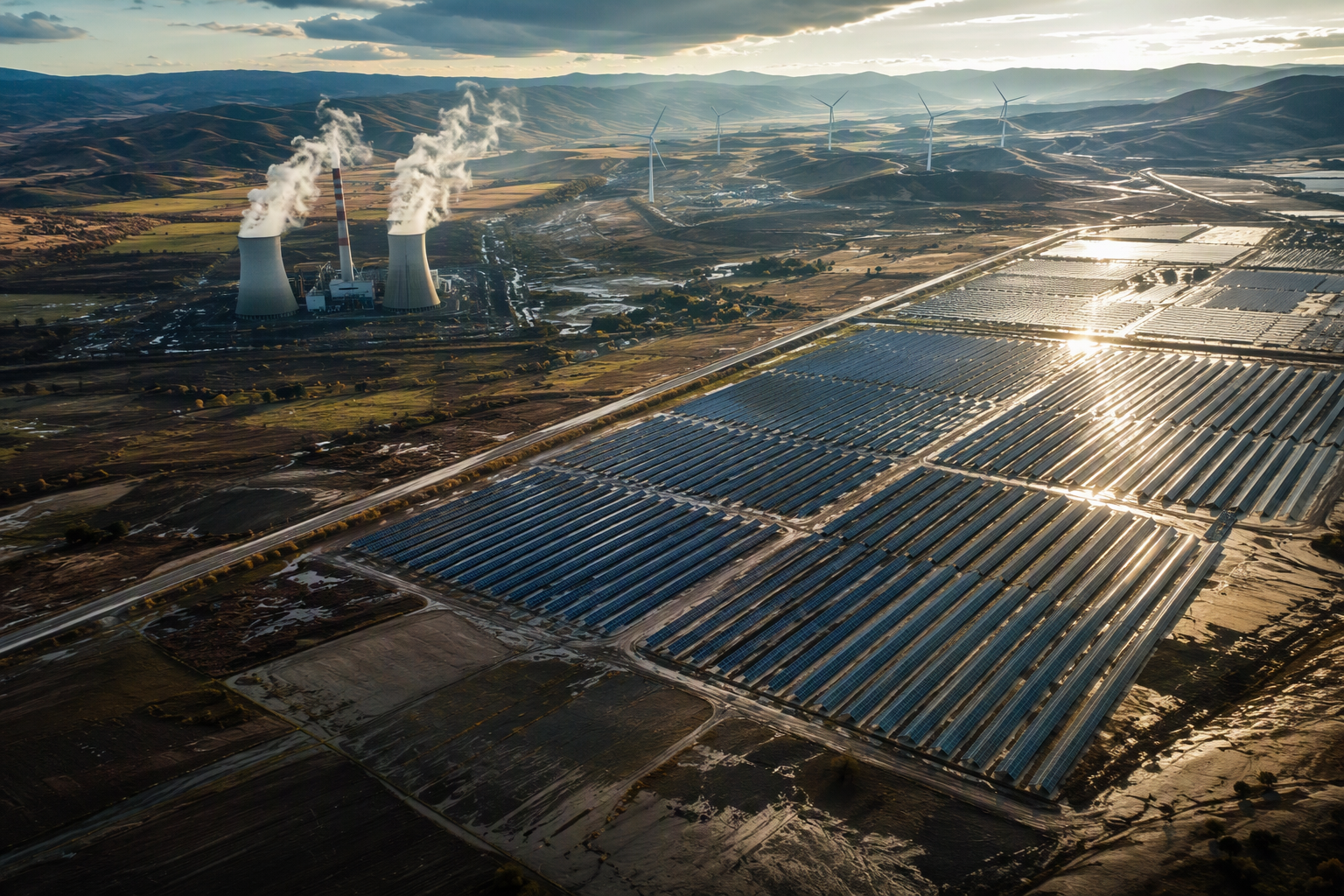
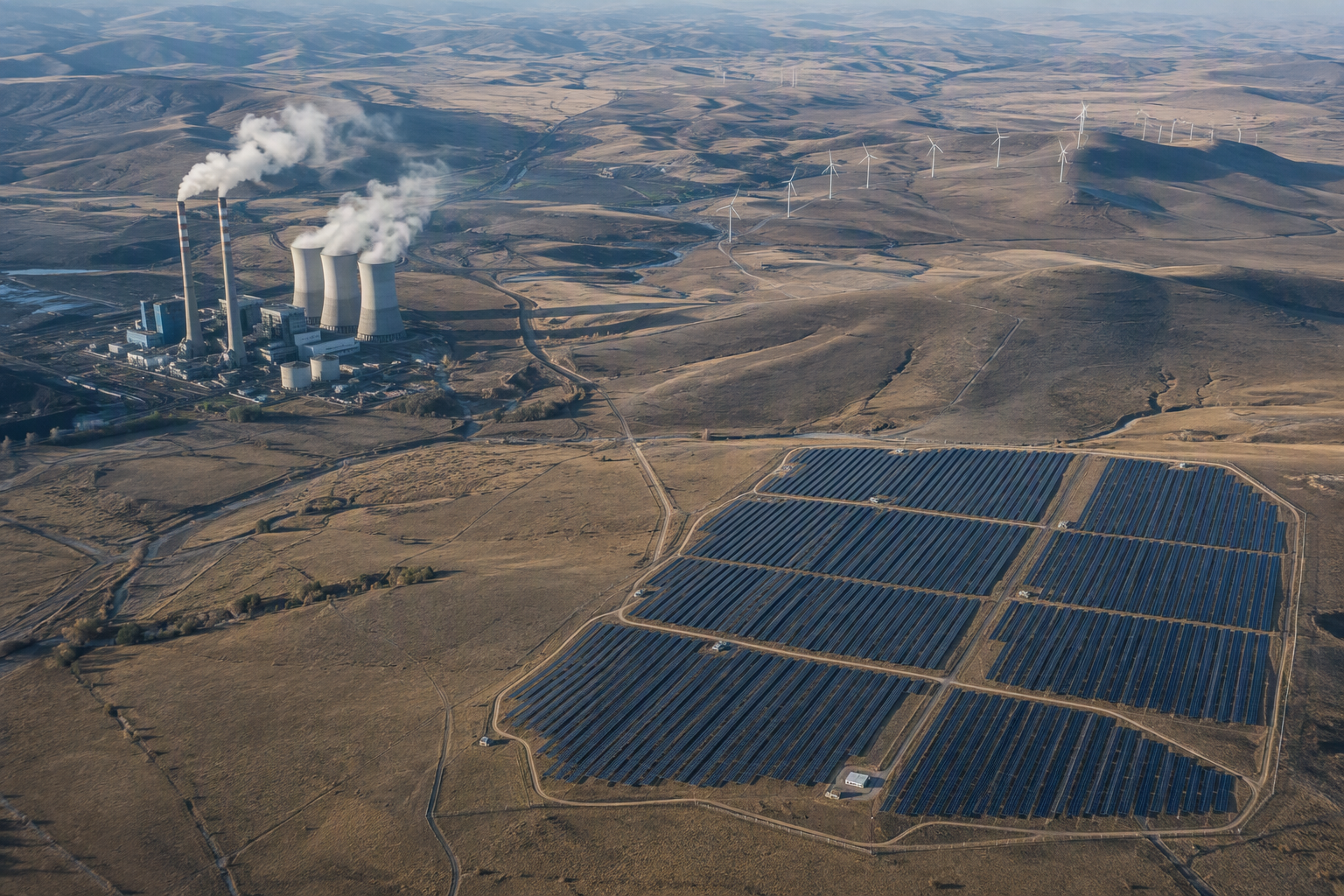
China is the world’s largest producer of several technologies central to emissions reduction, including solar equipment, wind turbines, batteries and electric vehicles. Its request would bring the relationship between climate action and clean-technology trade policy into the COP31 discussions.
For companies and policymakers, this raises the prospect that access to low-carbon equipment, industrial competition and climate-finance delivery will be debated together. The United States and EU measures cited in the discussion illustrate the trade tensions China wants addressed at the summit.
The finance request is also material for developing countries seeking clarity on how the 2024 annual US$300 billion commitment will be delivered.
What readers should watch
Türkiye’s COP31 presidency is pursuing a global agreement on electrification. Gao said that objective is consistent with Chinese policy, but did not explicitly endorse the proposal. Instead, he urged the presidency to listen to all parties, seek the widest common ground and build broad support.
Watch whether the presidency gives trade barriers a formal place in the COP31 agenda, how negotiators approach the proposed finance roadmap, and whether the electrification initiative attracts support from China and other parties.