What happened
The Clean Air Right Platform (THHP) has assessed Türkiye’s National Energy 2040 Plan, announced days before COP31, and called for a timetable to gradually withdraw from coal. It said the plan sets goals for energy supply and investment but does not adequately address public health and environmental impacts.
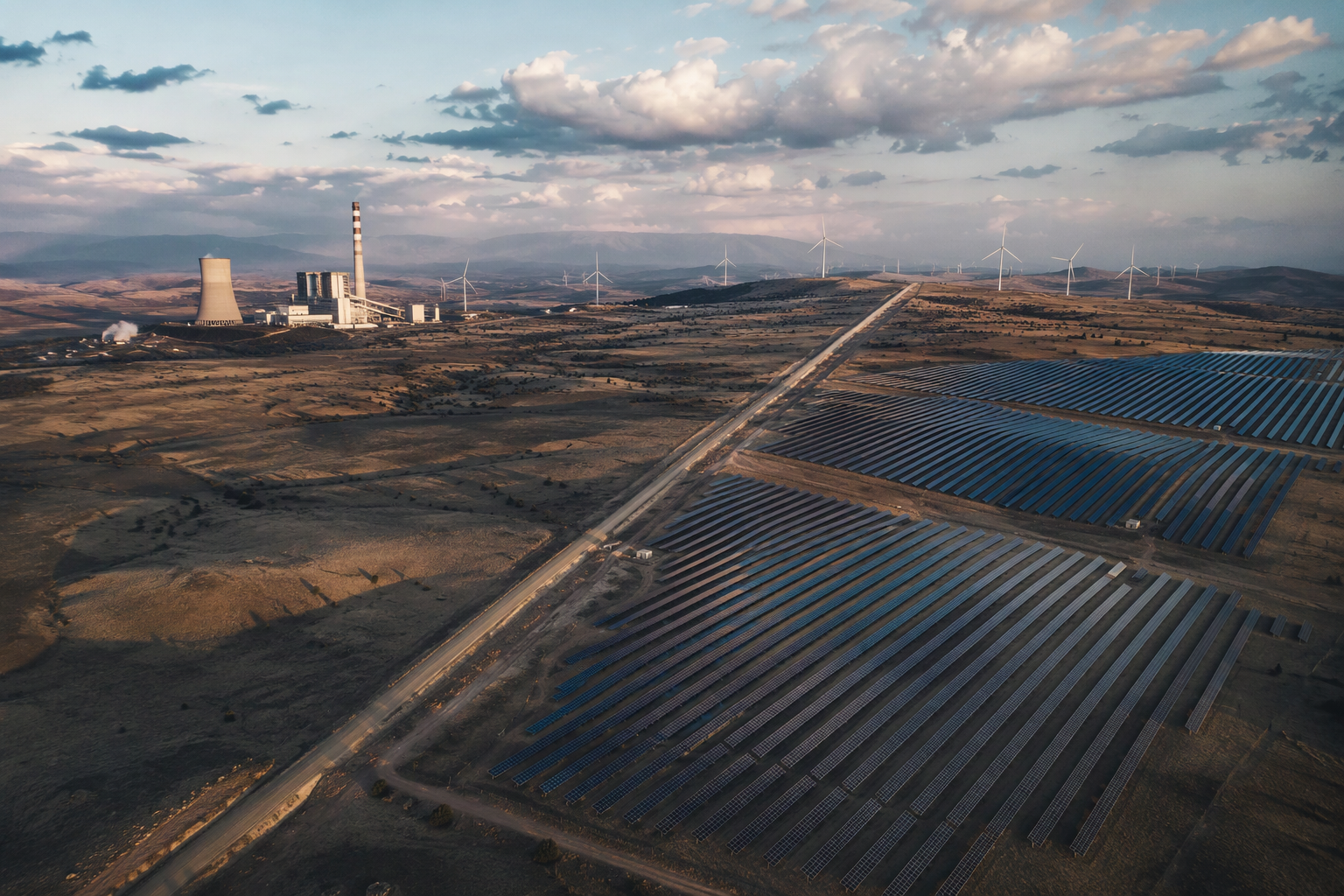
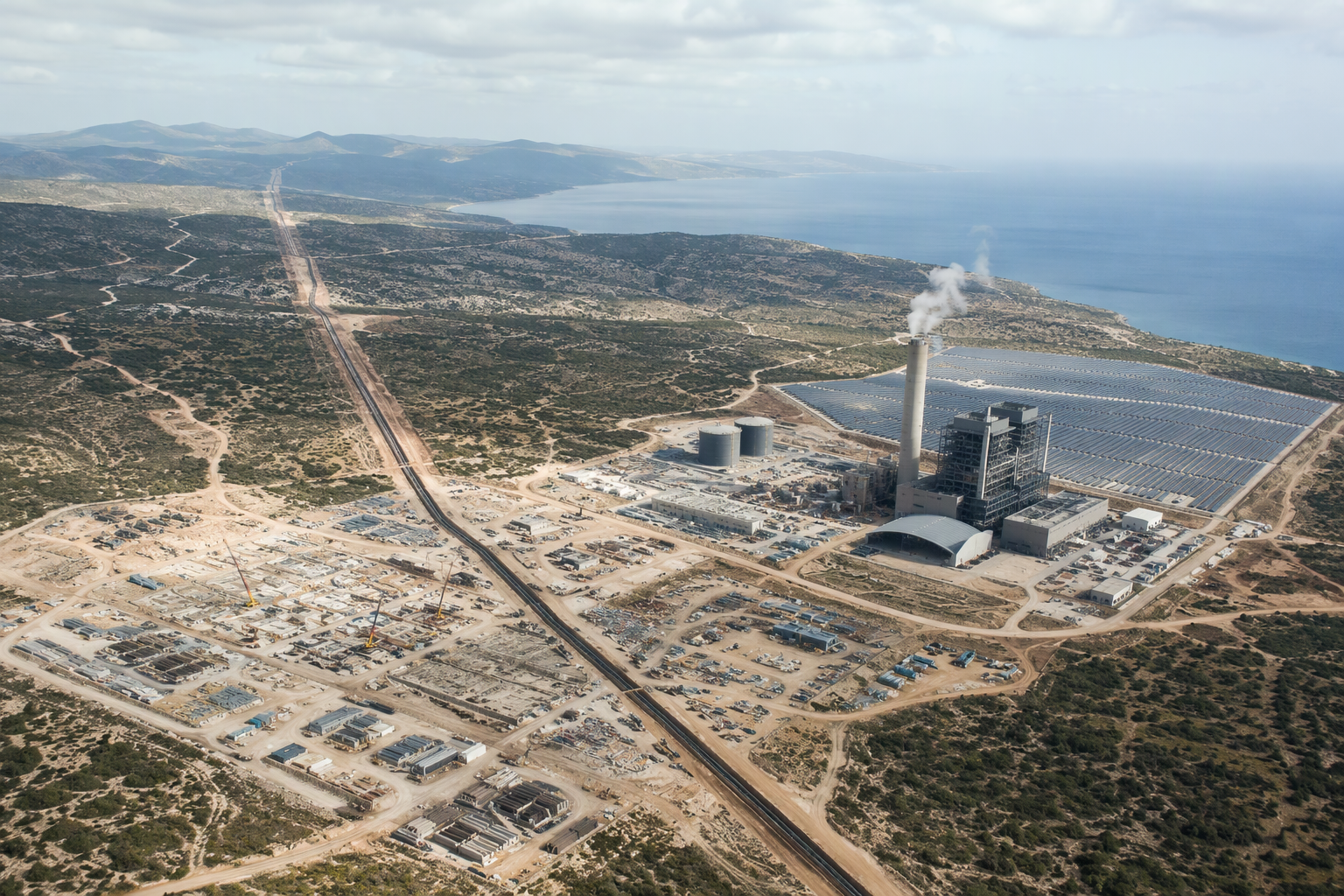
THHP said the plan does not include a coal retirement schedule. Energy and Natural Resources Minister Alparslan Bayraktar has said support for domestic coal-fired power stations will continue through purchase guarantees and the capacity mechanism, according to the report.
The platform wants those measures ended. It said public funding should instead support renewable energy, alternative employment in coal-dependent areas, and restoration of ecosystems and health in places affected by fossil fuels. It also called for a just-transition plan that protects workers’ economic, social and health rights while creating secure employment for local residents.
Why it matters
THHP and the Centre for Research on Energy and Clean Air (CREA) estimate that air pollution linked to fossil fuels in Türkiye causes about 26,500 premature deaths, 8,000 premature births and 5,100 new childhood asthma cases each year. Their report puts the annual economic cost at around US$55 billion, equal to 4.1% of Türkiye’s gross domestic product.
The platform said health effects should be included alongside cost, security of supply and emissions when energy investments and generation options are compared. It also called for strategic environmental assessment and health-impact assessment for national energy plans, with the Health Ministry, public-health specialists and professional bodies involved from the outset.
For businesses, the proposed shift would redirect policy support towards renewables and employment transition in coal regions. It would also place greater emphasis on health and environmental assessment in decisions on major energy infrastructure.
Background
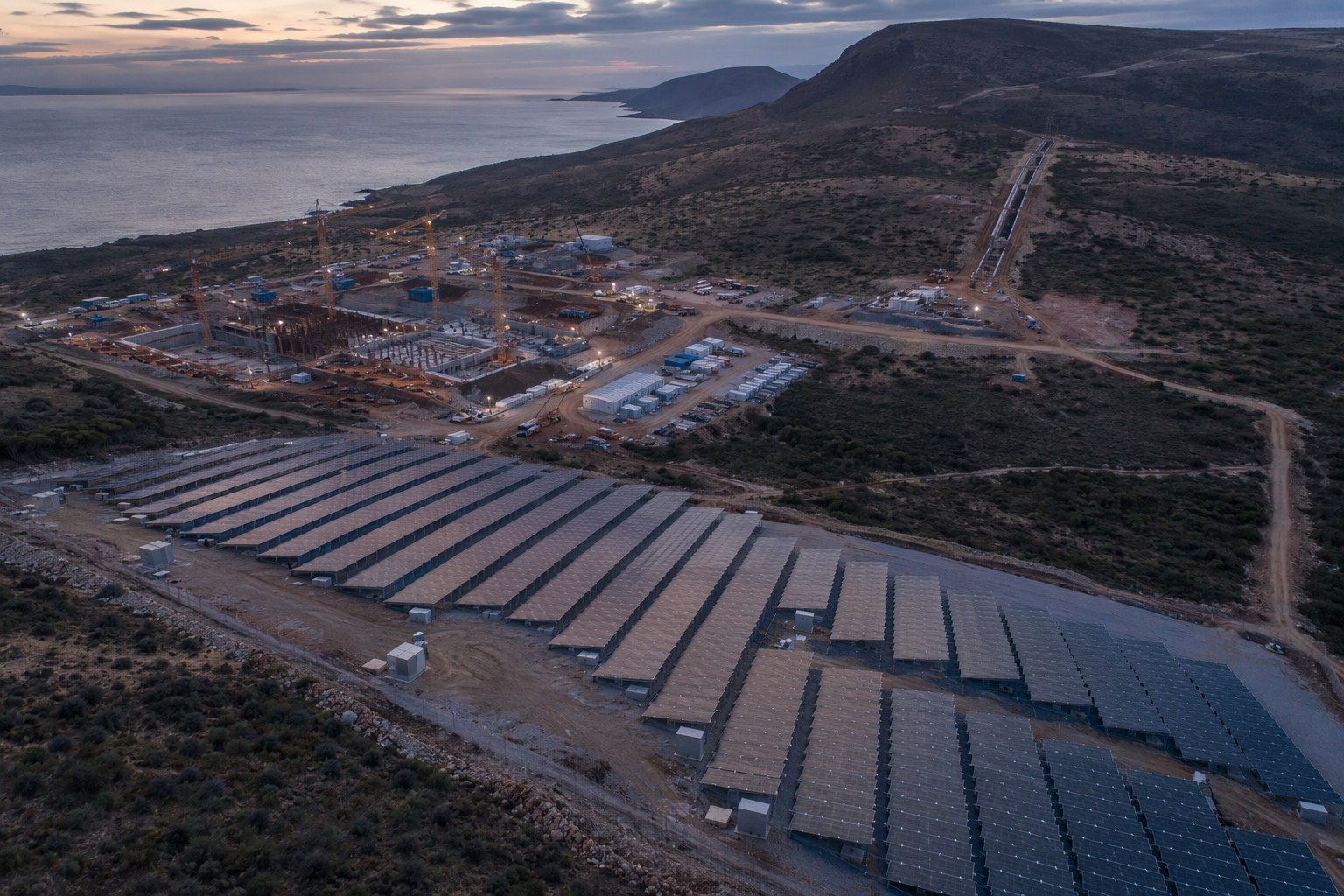
THHP welcomed the plan’s ambition to expand solar and wind capacity, saying cleaner electricity could improve air quality if it displaces generation from fossil fuels. The group said the extraction and processing of minerals required for these technologies should protect workers, local communities and ecosystems.
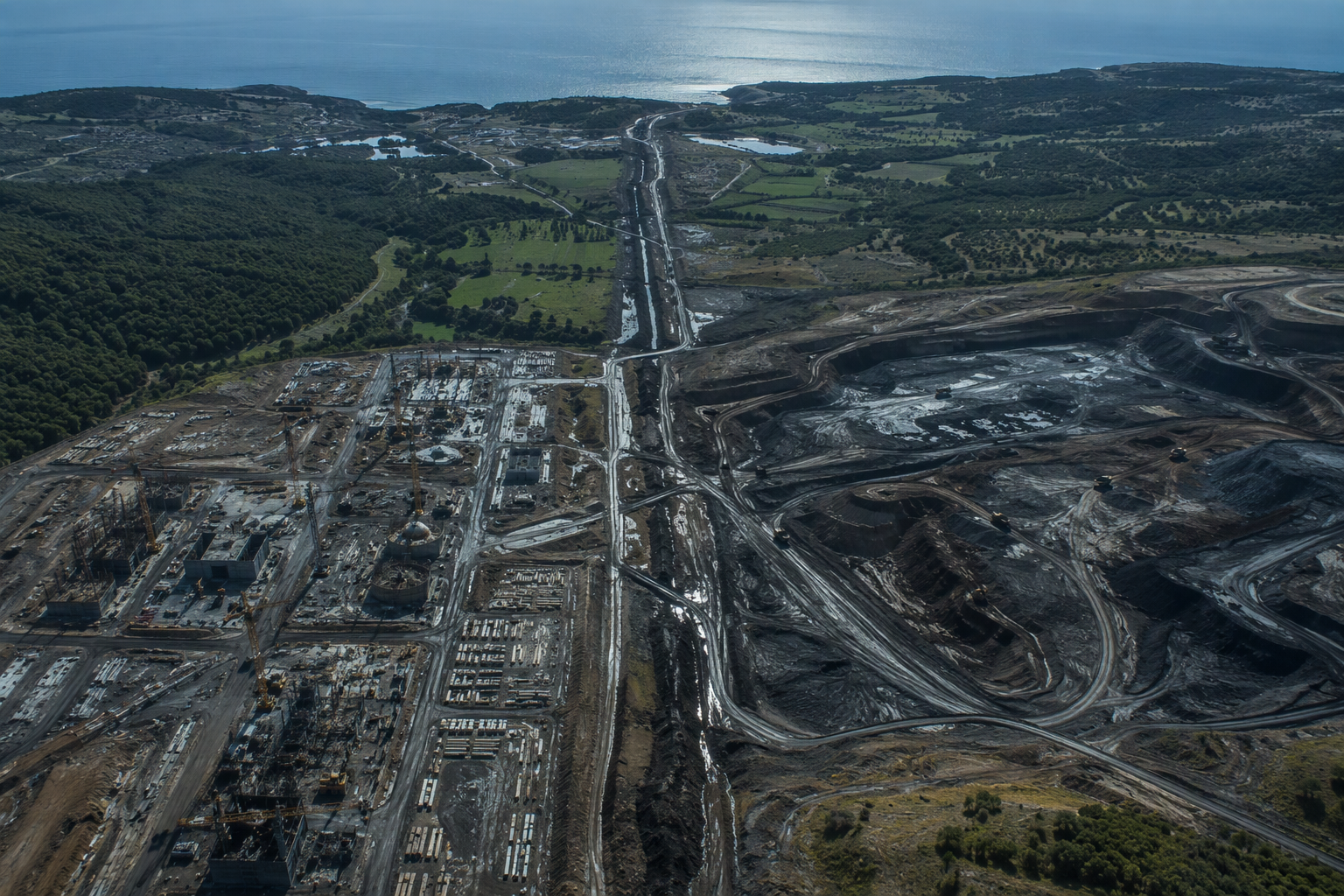
The plan envisages meeting all of Türkiye’s oil and gas demand through domestic production by 2040. It also targets 10 gigawatts of nuclear capacity by 2040, with projects under consideration in Sinop and Thrace in addition to Akkuyu, as well as small modular reactors over the longer term. THHP said nuclear decisions should undergo independent environmental and health assessment and be taken through transparent, participatory processes.
What's next
THHP said Türkiye should align its energy planning with the agreement reached at COP28 to move energy systems away from fossil fuels. It argued that continuing coal support and pursuing higher oil and gas output would conflict with that direction and with Türkiye’s 2053 net-zero objective.