What happened
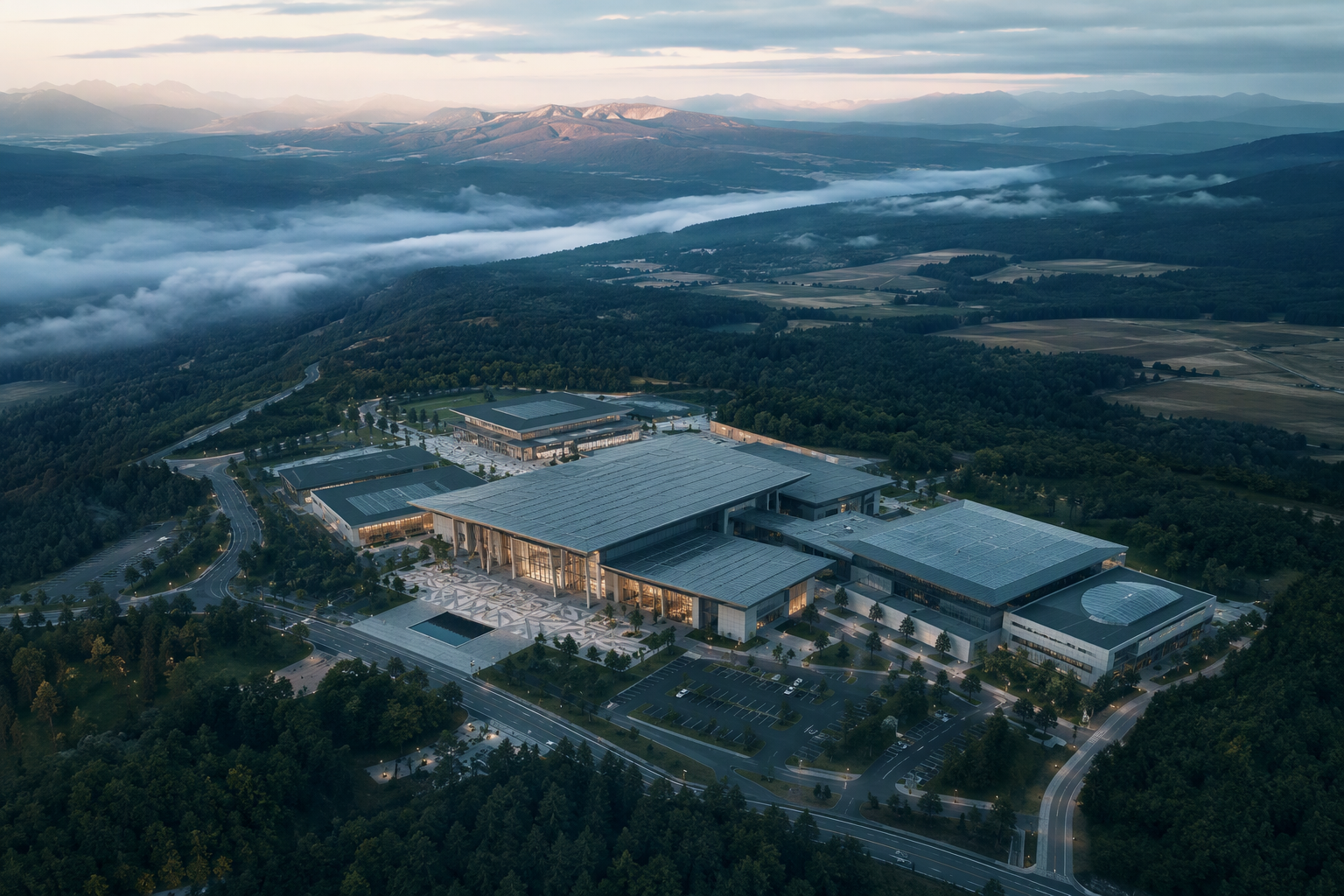
COP31 chair Murat Kurum opened the UN climate conference’s closing plenary in Antalya, Türkiye, on the meeting’s 12th day. According to a statement from Türkiye’s Ministry of Environment, Urbanisation and Climate Change, the session was set to consider texts brought before the plenary, including a proposed cover decision.
Representatives and delegates from 196 countries and the European Union attended. Kurum said the Turkish presidency had spent the preceding two weeks consulting across groups, listening to differing priorities and seeking to reduce gaps between positions.
He called on parties to reach a collective outcome rather than focus solely on national concerns. Kurum also said Türkiye hoped delegates would leave Antalya with an “Antalya consensus”, although the ministry statement did not report that any agreement had been adopted.
Why it matters
The closing plenary is the point at which negotiated conference texts can move from draft language to decisions by parties. The proposed cover decision could therefore set the political framing for the conference outcome, subject to approval by delegates.
The meeting also marked Türkiye’s first hosting of the UN Framework Convention on Climate Change Conference of the Parties. Kurum presented the presidency’s approach around dialogue, consensus and action, while acknowledging that participants entered the talks with different economic conditions, energy systems, development requirements and climate vulnerabilities.
For sustainability teams, the immediate significance depends on the final text rather than the opening remarks. The ministry’s account did not identify new corporate obligations, financial commitments or sector-specific measures.
What to watch next
Organisations should monitor whether the plenary adopts the cover decision and any accompanying texts, then assess the agreed language for relevance to transition planning, climate finance and sector policy. Until an outcome is formally confirmed, the scope of any operational implications remains unclear.
Kurum linked the negotiations to risks including flooding, drought, wildfires, extreme heat and sea-level rise. He argued that shared exposure to these impacts should support agreement despite the differing circumstances of participating countries.