What happened
At a Sabancı University press briefing during COP31, civil-society organisations and policy experts assessed the negotiations as the summit moved into its final two days. They urged the co-presidencies to keep language on a transition away from fossil fuels in the framework decision.
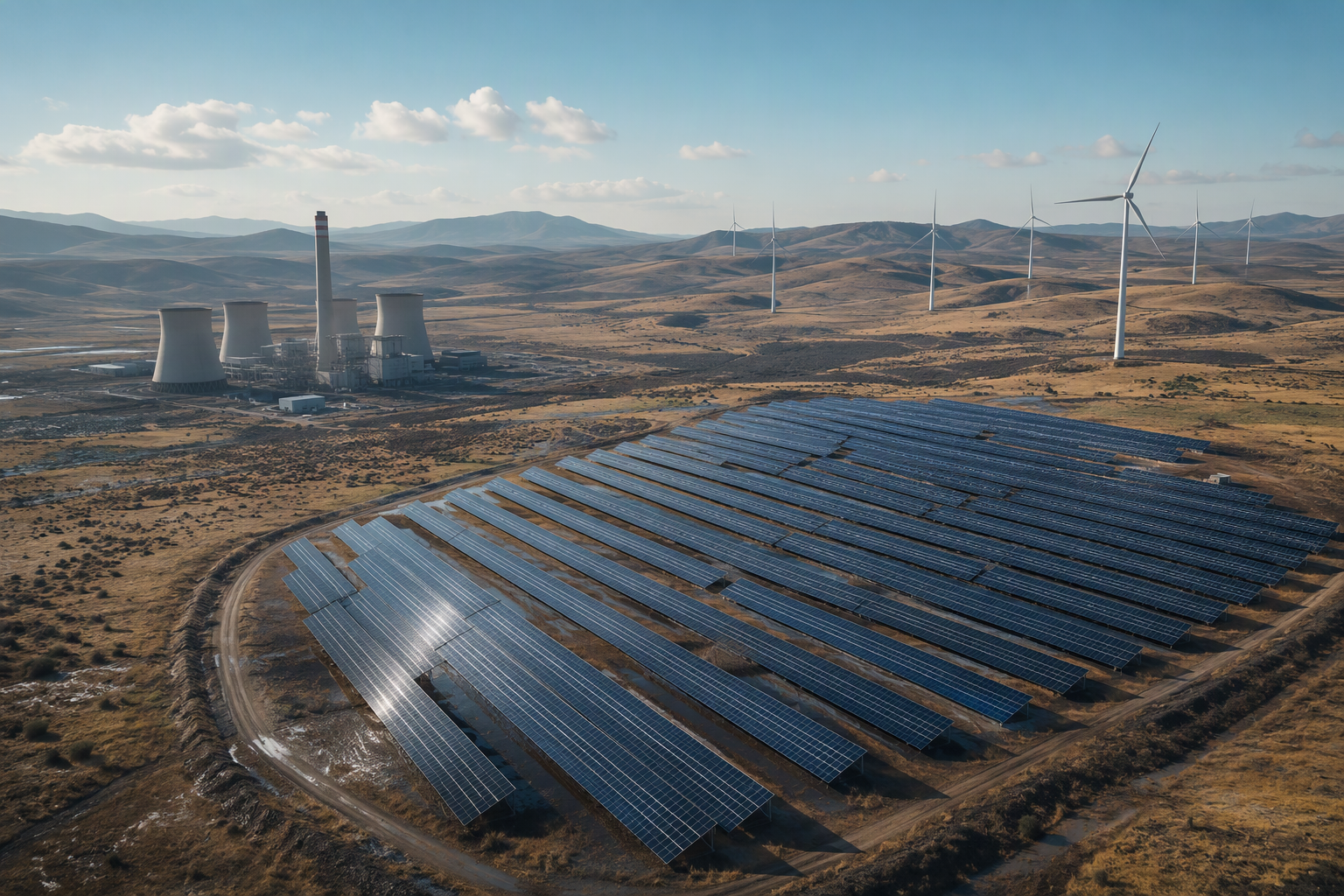
Öykü Şenlen of E3G said roughly 75 countries had announced support for an electrification commitment. She argued that the commitment should specify that new electricity demand is met by renewable sources and should include a move away from fossil fuels.
The current electrification commitment contains no such requirement, according to the briefing. A Climate Analytics assessment cited by speakers found that pursuing electrification without renewable generation could add at least 0.1°C to warming by mid-century.
The draft decision calls for faster action towards a fossil-fuel phase-out, including an immediate move away from fossil fuels in energy systems. Speakers said this wording should remain in the final text.
Why it matters
The outcome could shape expectations for countries backing electrification targets and fossil-fuel transition plans. Jennifer Morgan of the Fletcher School said several countries, from France to Chad, were preparing national road maps for moving away from fossil fuels.
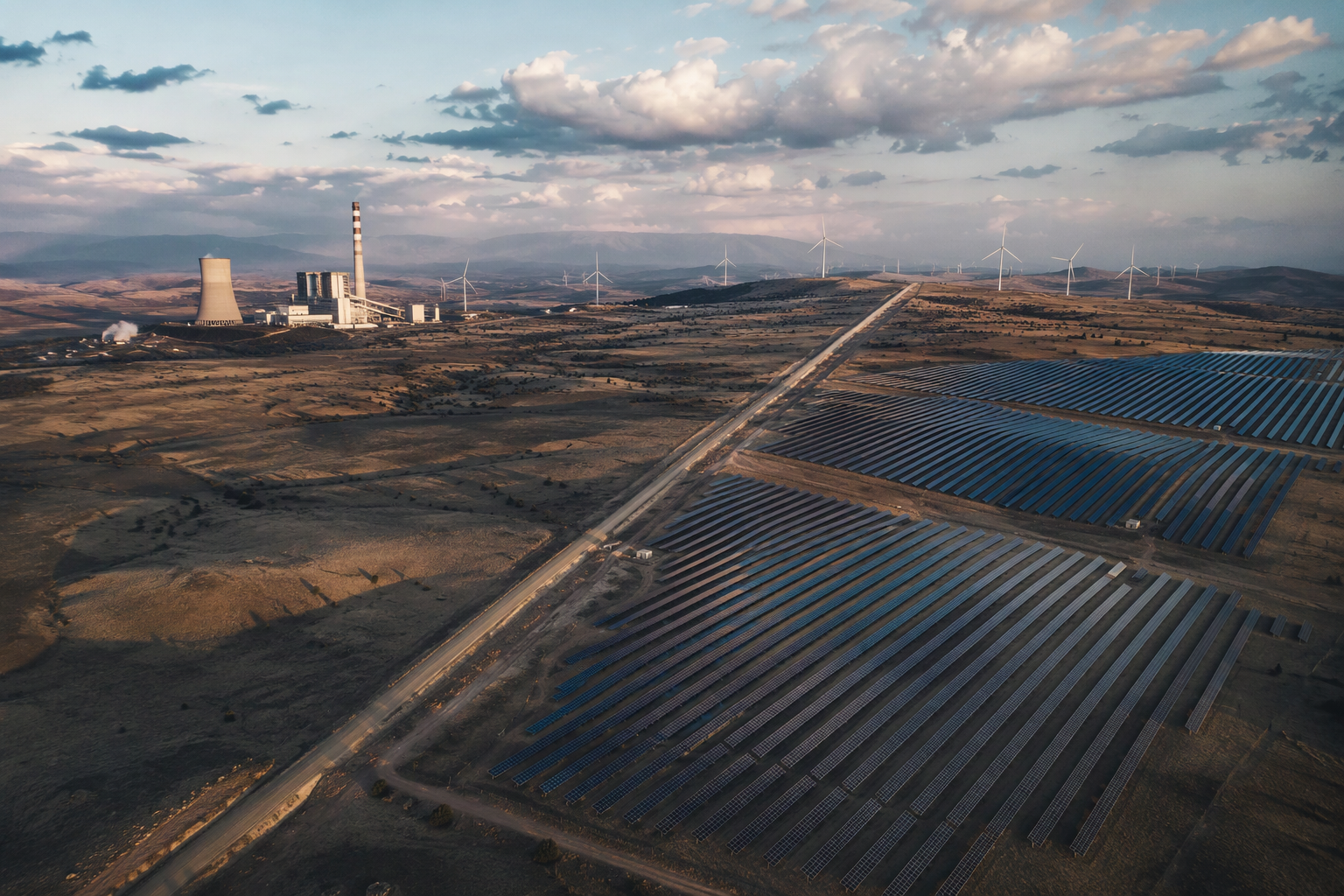
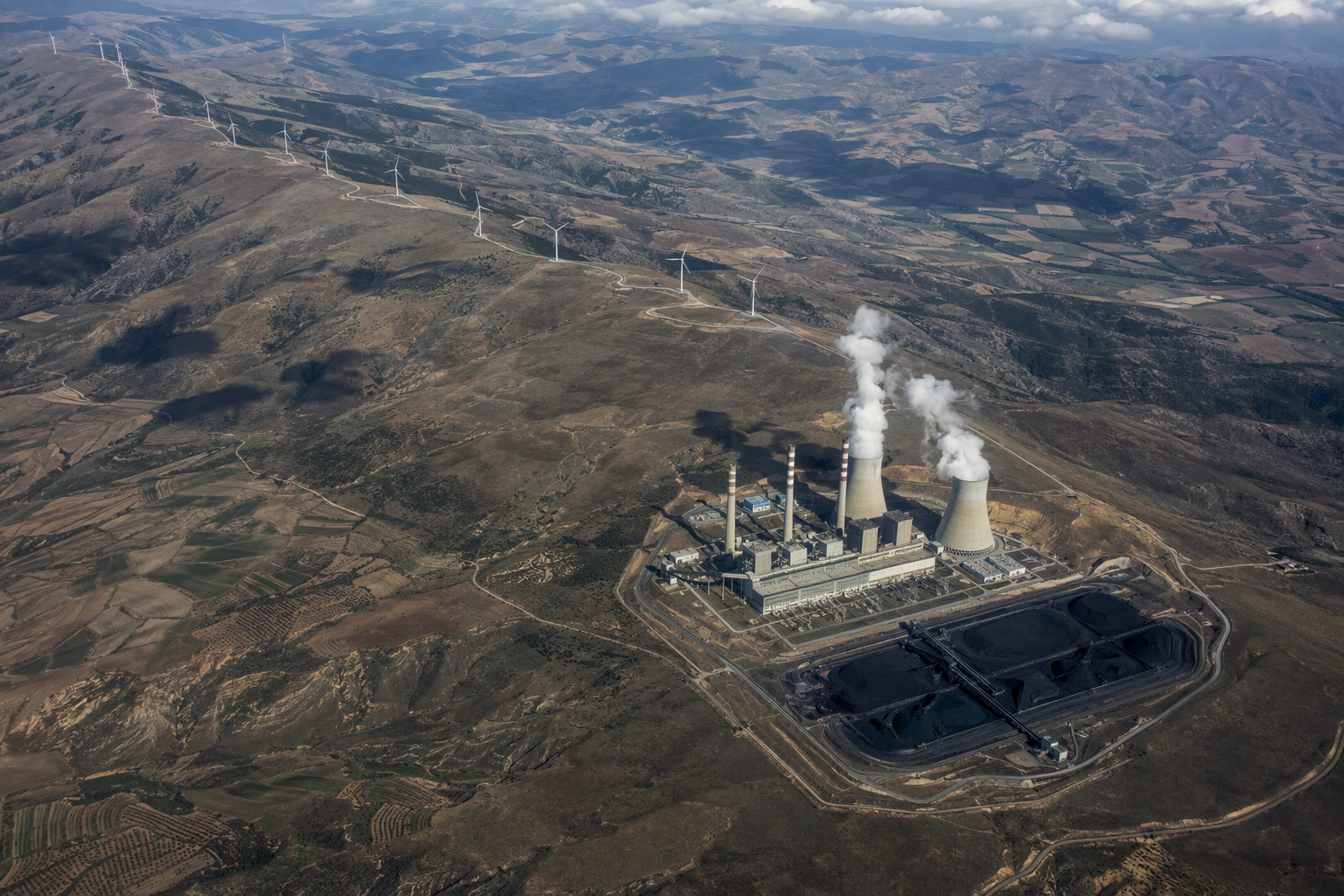
For Türkiye, the intervention focused on coal policy and its 2035 nationally determined contribution. Pınar Gayretli, speaking for İklim Ağı, said Türkiye should stop new coal investments, commit to absolute emissions cuts and set a clear timetable for a fair coal exit.
On the just transition, Onur Akgül of Istanbul Policy Center said talks had produced no concrete progress on establishing a mechanism. He identified positions held by the EU and other developed countries on a permanent mechanism and financing framework as a key obstacle.
What's next
Ministers were due to meet later that evening in a session convened by the COP31 Presidency, after which a revised draft was expected. Speakers called on the Türkiye and Australia co-presidencies to use bilateral and multilateral discussions to break the deadlock over the proposed Belém Action Mechanism.