What happened
As delegates prepare for COP31 in Antalya, Türkiye, Annamaria Lehoczky, senior technical specialist for climate change and resilience at Fauna & Flora, has argued that climate and biodiversity action should be designed together.
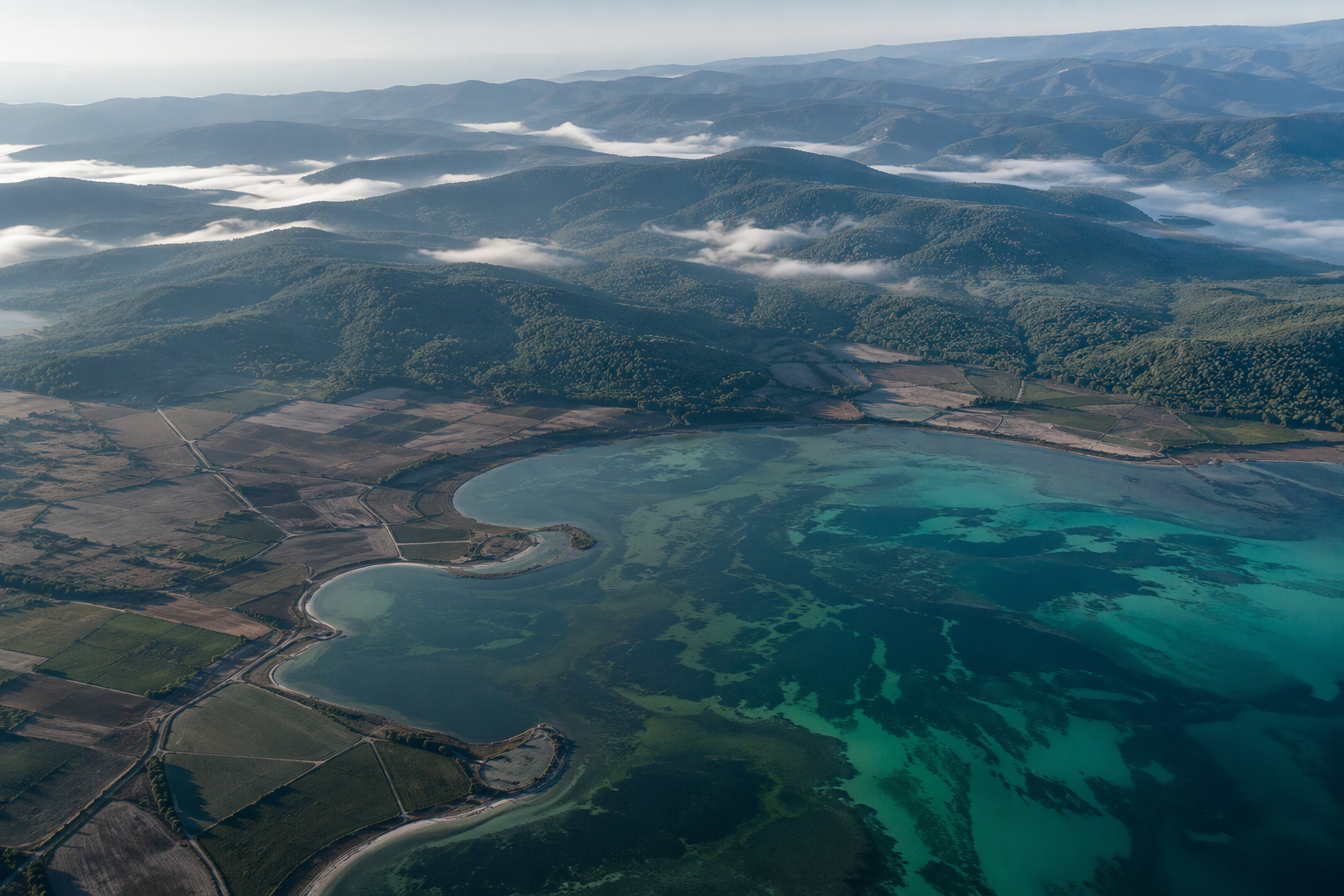
Her case centres on coastal ecosystems. Seagrass improves water conditions, provides habitat for marine species and helps limit wave force, erosion and sediment movement. The article says it captures carbon 35 times more quickly than rainforest and holds eight kilograms of carbon per square metre. Mangroves can provide similar benefits in tropical areas.
Lehoczky warns that damage to seagrass from human pressures and climate change can release stored carbon, weaken coastal protection and leave young fish more exposed. She links this directly to Türkiye, where drought, fires, water shortages, warmer Mediterranean waters and rising seas are affecting ecosystems, communities and economic activity.
Why it matters
For Türkiye’s coastal economy, the argument is relevant to commercial fish stocks, fishing livelihoods and communities exposed to stronger storms and sea-level rise. The spread of lionfish in warmer Mediterranean waters is cited as one pressure on native species and fisheries.
The article argues that investment should favour measures with benefits for climate, biodiversity and people, rather than treating the two international agendas as competing demands. It says this approach must avoid counting the same funding twice.
For businesses and public bodies planning resilience investment, the practical implication is to consider whether ecosystem protection can complement climate measures while also supporting coastlines and marine livelihoods.
Background
Countries committed under the Global Biodiversity Framework to mobilise at least $200bn a year from all sources for nature protection and restoration by 2030. COP17 in Armenia adopted two texts addressing links between biodiversity and climate change and between their respective conventions.
Lehoczky points to Kenya’s Blue Carbon Ecosystems NDC Implementation & Investment Plan for 2025–2035 as an example of joined-up planning. It connects climate and biodiversity commitments and identifies mangroves and seagrass as parts of Kenya’s climate contribution.
What's next
COP31 delegates are expected to consider how climate commitments can be implemented and financed. Countries have also been asked to update Nationally Determined Contributions and National Biodiversity Strategy and Action Plans. The biodiversity-finance mobilisation target is set for 2030, while Kenya’s blue-carbon plan runs until 2035.