What happened
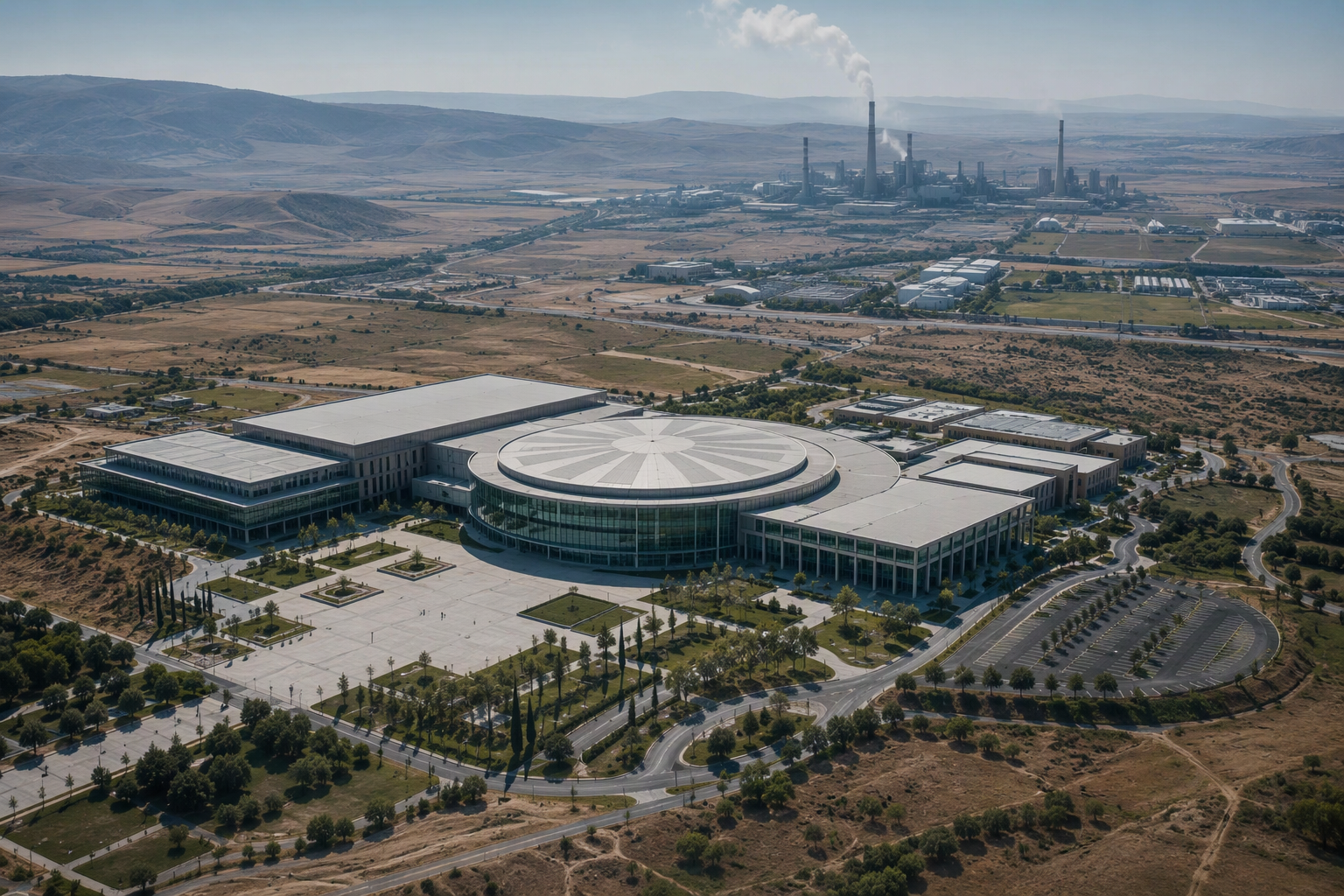
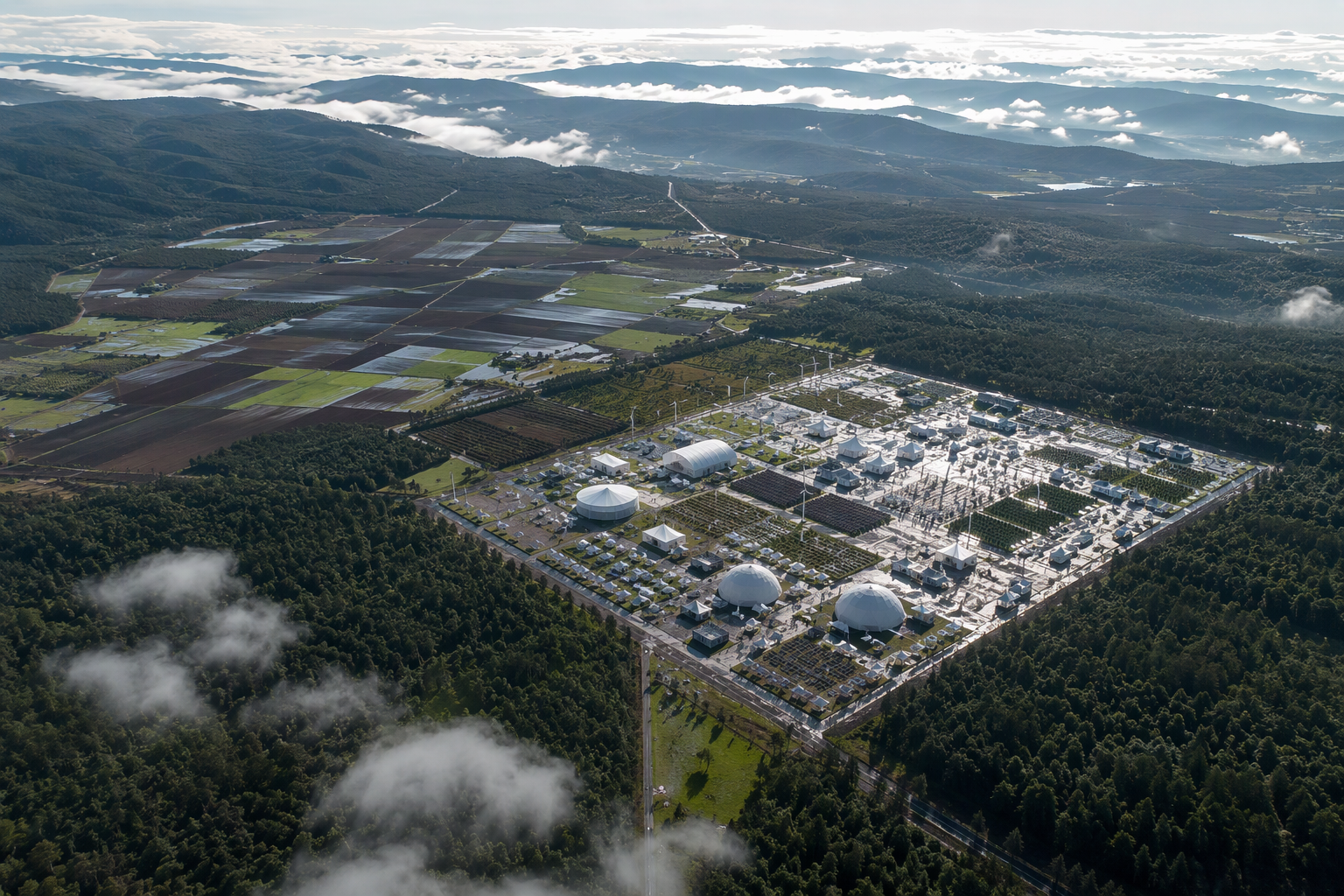
Türkiye’s Ministry of Environment, Urbanisation and Climate Change said the COP31 venue in Antalya covered 1.1 million square metres. The Blue Zone occupied 527,000 square metres, while the Green Zone covered 582,000 square metres.
The ministry reported a 14-day logistics operation spanning accommodation, transport, food and drink services, waste management and material deliveries. Ahmet Sami Kulaklıoğlu, the official responsible for accommodation, transport, logistics, sustainability and accessibility, described an overnight process for bringing supplies into the site.
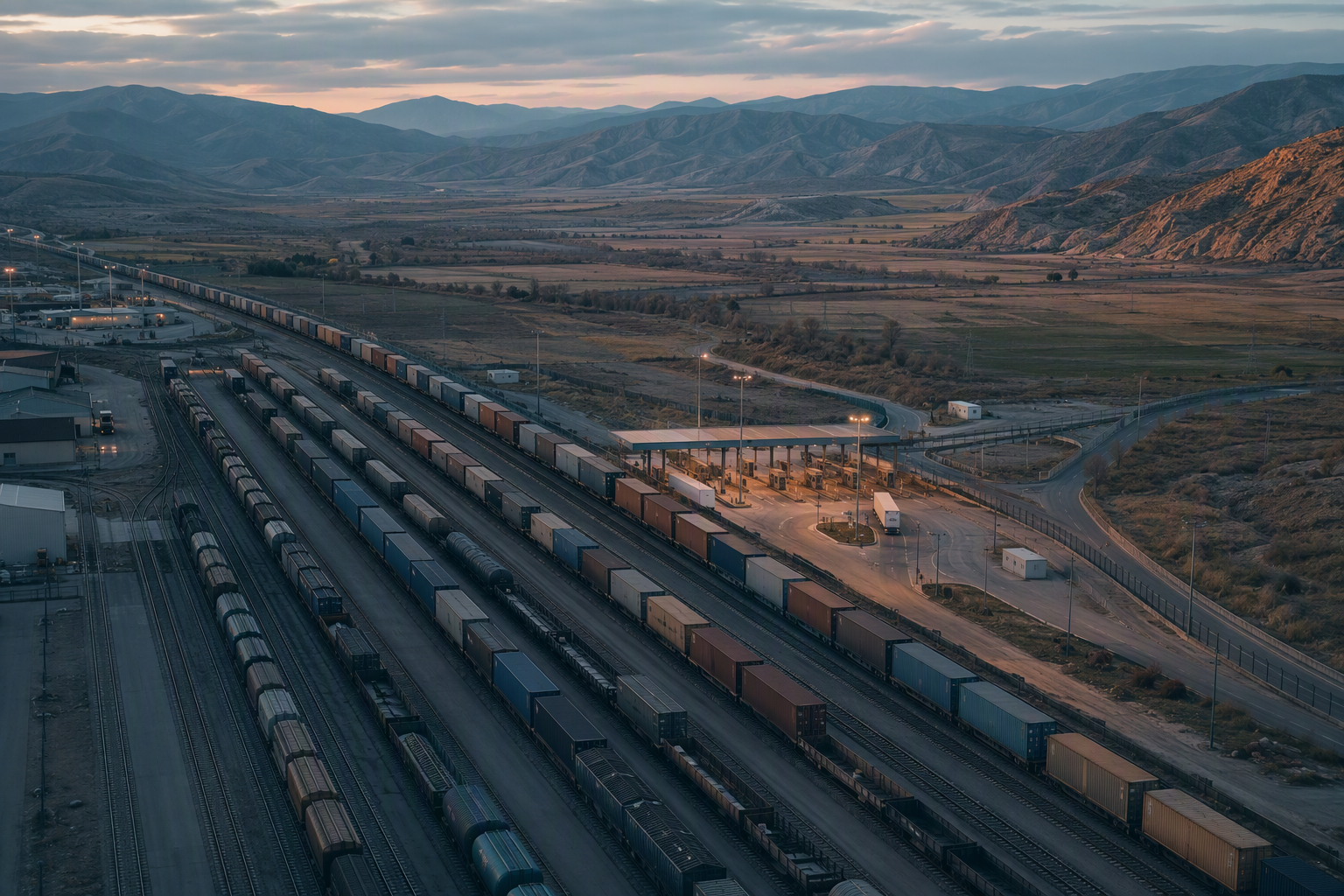
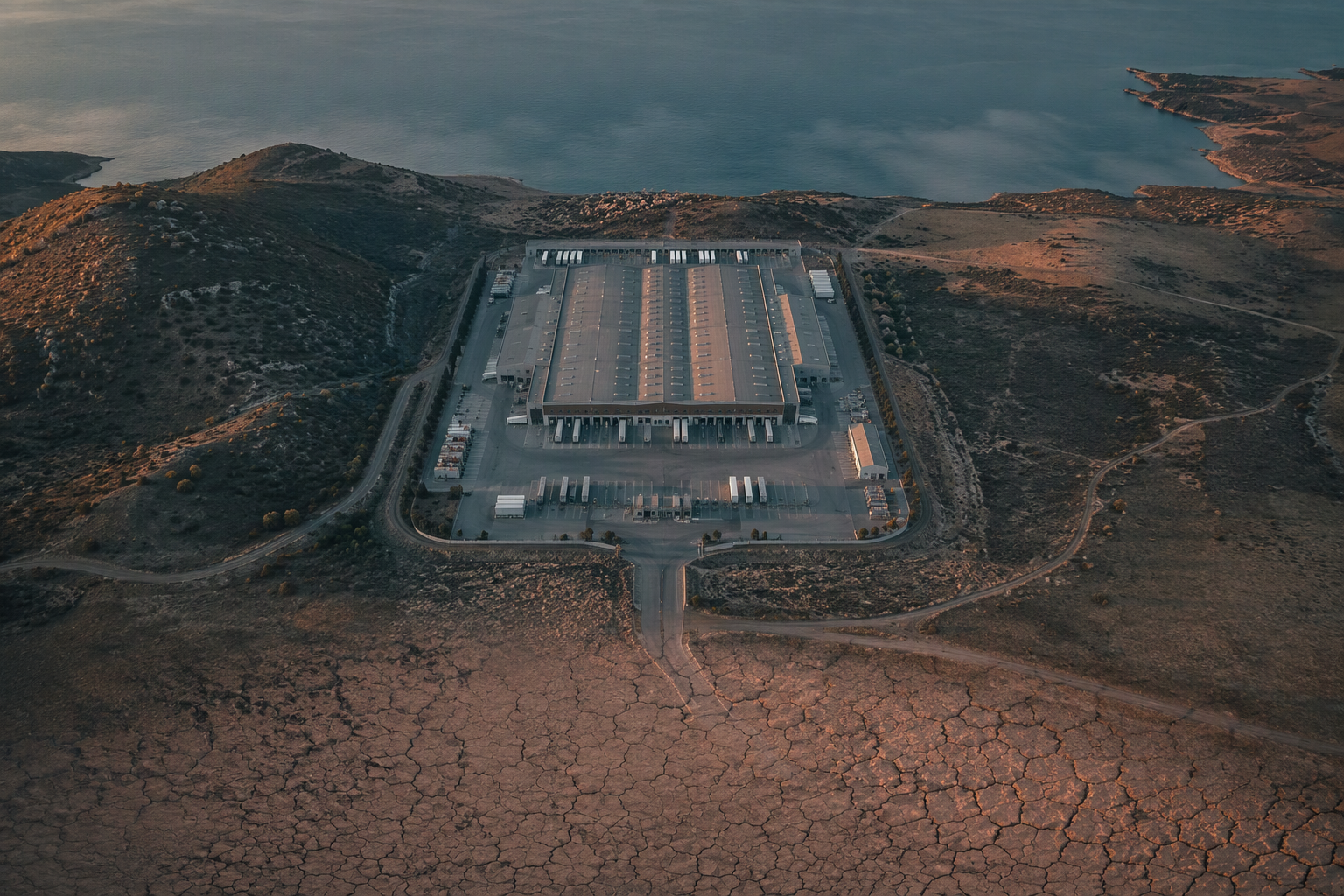
Materials first arrived at an external storage facility, where they were sorted during the day. In the evening, vehicles brought the consignments to the venue for X-ray inspection. Vehicles then remained in a designated secure area while results were assessed; entry was permitted after clearance.
From 6 to 18 November, 939 vehicles were screened before being allowed onto the site, the ministry said. It also reported that the summit received guests, negotiators and other participants from 196 countries.
Why it matters
The ministry’s account sets out the delivery controls used at a large conference venue with separate operational zones. Security screening was integrated with the supply flow rather than treated as a standalone process: goods were sorted off site, checked on arrival and then released for distribution.
Each of the Blue and Green Zones had its own logistics distribution centre. Vehicles unloaded materials there before smaller vehicles moved items to their intended locations. The ministry said these included catering supplies for service points, as well as materials for kiosks and coffee areas. Electric vehicles were among those used for deliveries within the venue.
For event operations teams, the reported arrangement identifies practical components requiring coordination: external receiving space, timed arrivals, screening capacity, secure waiting areas and separate internal distribution points.
What to monitor next
The ministry said police, customs personnel and agency contractor staff worked through the night during the operation. Its report does not provide further figures on freight volumes, energy use, waste outcomes or the number of electric vehicles deployed. Those measures would be needed to assess the environmental performance of the logistics model alongside its security and delivery functions.
Source: Türkiye’s Ministry of Environment, Urbanisation and Climate Change.