What happened
Organisers of COP31 said they had received more than 45,000 volunteer applications from 154 countries ahead of the UN climate conference in Antalya, Türkiye.
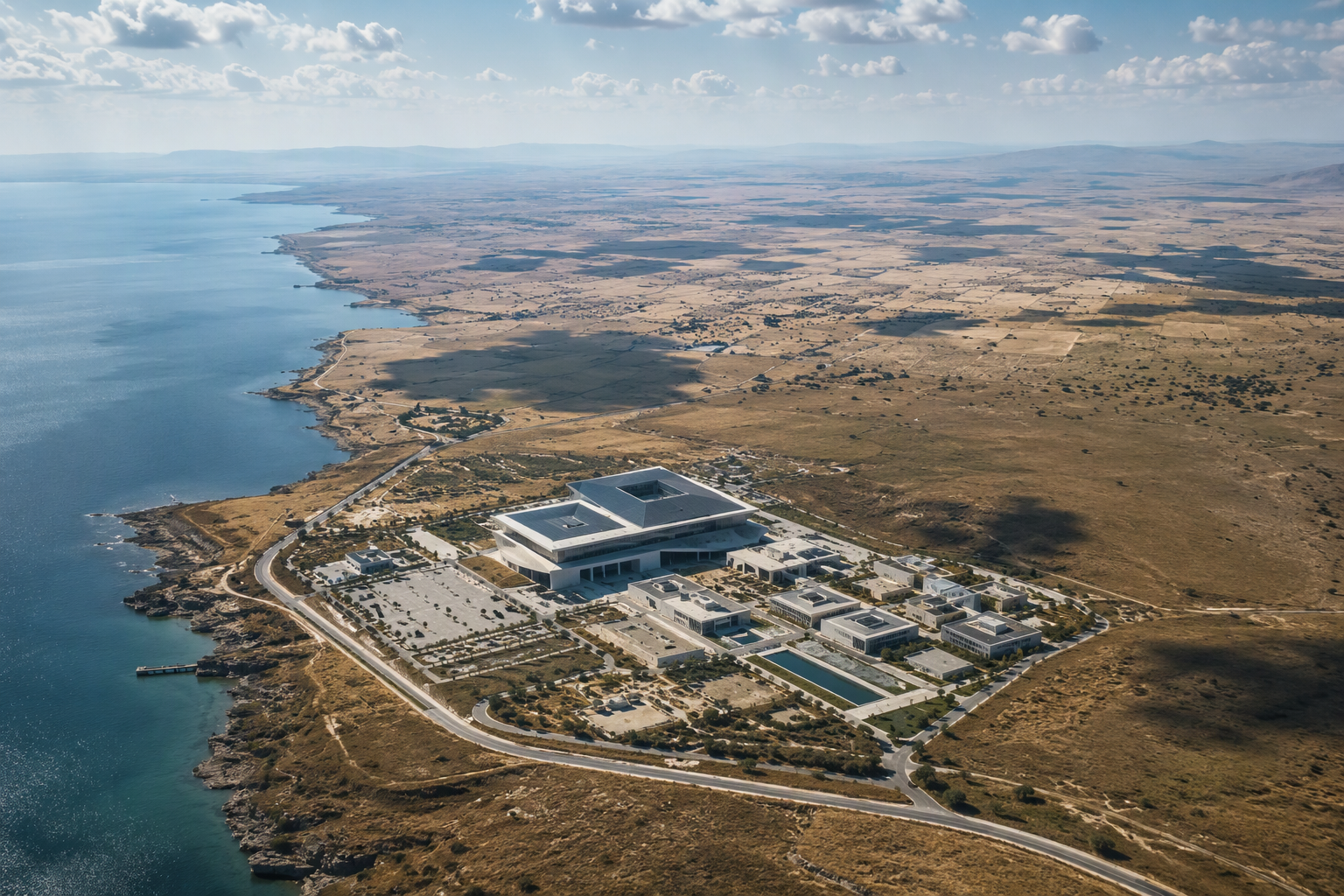
The figure was announced by COP31 President Murat Kurum, who is also Türkiye’s minister for environment, urbanisation and climate change, during a meeting with young climate volunteers at the conference site. The ministry said the gathering was held two days before the summit was due to start.
According to the ministry, the event took place in the Blue Zone’s Anadolu Hall. It included a video address from UN Secretary-General António Guterres, while Chris Bowen, COP31 negotiations president and Australia’s climate change and energy minister, attended alongside Wasim Mir, the UN climate convention’s director of conference affairs.
Kurum said delegates from 196 countries would meet in Antalya. He identified clean energy, resilient cities, food security, water, industry and ocean protection among the subjects expected to feature in the conference discussions.
Why it matters
The application total indicates the operational scale being assembled for the summit. Volunteers are expected to provide practical support across the event, including helping visiting delegations, directing participants and assisting with meeting arrangements.
For organisations tracking international climate diplomacy, the announcement confirms that preparations are advancing around a broad agenda spanning energy, urban resilience, food systems, water, industrial transition and marine protection. It does not, however, establish new requirements, finance programmes or corporate commitments.
Guterres said in his recorded message that the conference would address emissions reductions, protection of communities and meeting needs. He also referred to Türkiye’s Zero Waste initiative as an important theme for COP31.
What to watch next
The summit is scheduled to begin on Monday, according to Kurum. Readers should watch for formal negotiation outcomes and any agreed measures on the agenda areas identified by the organisers, rather than treating the volunteer announcement as evidence of policy decisions.