What happened
The European Commission announced on 30 September 2026 that the Marine Environment Monitoring Service of Copernicus had published its 10th assessment of ocean conditions. Copernicus is the EU’s Earth-observation programme, according to the Commission’s release.
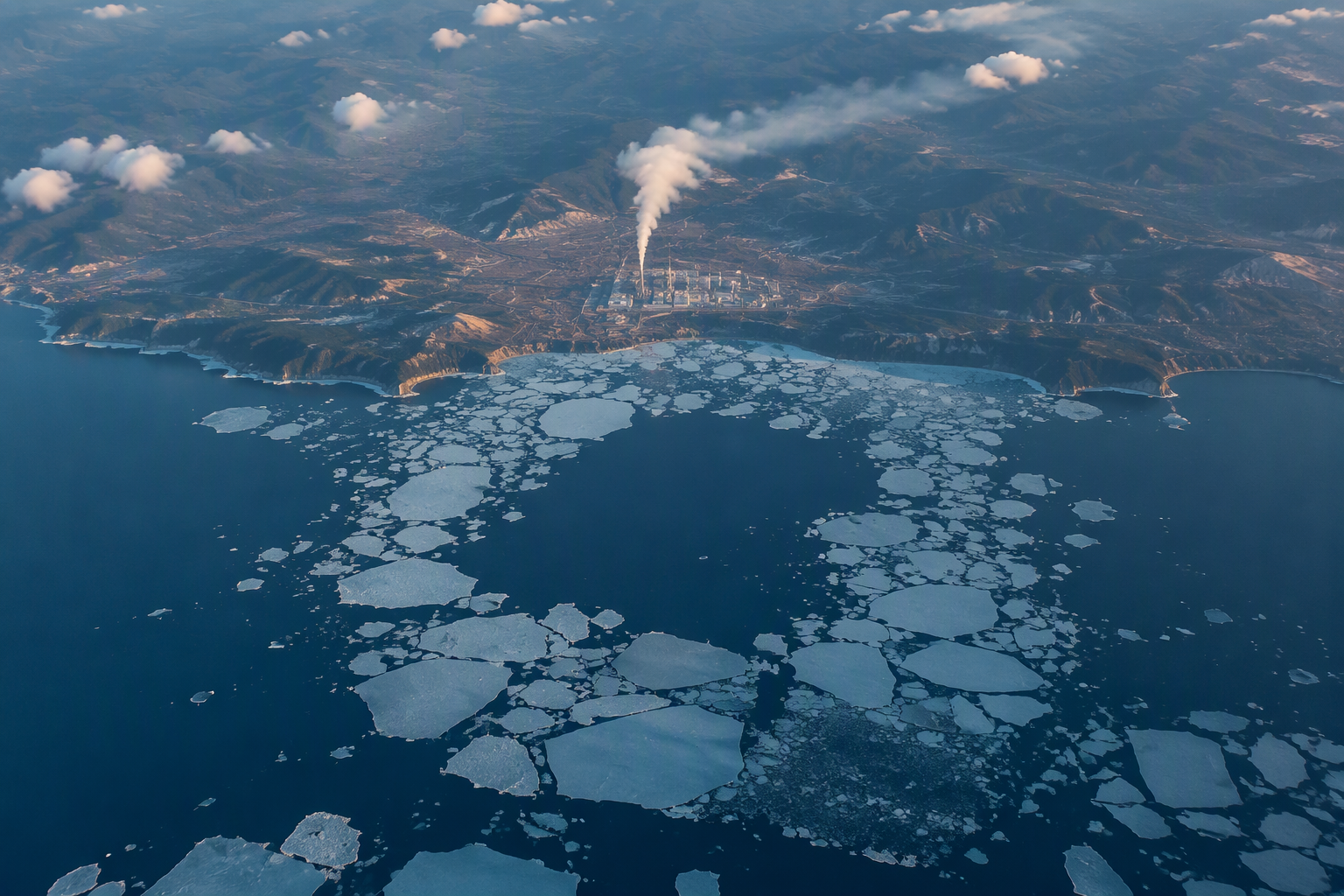
The assessment identifies severe changes in the Arctic and marine heatwaves at record levels. The Commission characterises the pace of ocean change as alarming and says its effects extend to marine life, coastlines and communities worldwide.
For sustainability teams, the immediate step is to review the primary announcement and distinguish its stated findings from any location-, sector- or asset-specific conclusions not set out in the available material. The release provides a high-level account of the assessment rather than detailed information on individual places or industries.
Why it matters
The announcement connects changing ocean conditions directly with marine ecosystems, coastal areas and communities. That makes the findings relevant to organisations monitoring environmental developments affecting oceans and coasts, while the supplied release does not specify particular business exposures, policy measures or implementation requirements.
The Arctic and marine heatwaves are the two changes highlighted by the Commission. Their inclusion in the assessment indicates that they are central elements of the publication’s account of current ocean conditions. The release also frames the consequences as global, rather than limiting them to the EU or to Arctic locations.
Readers should therefore treat the publication as an evidence update on ocean change and use the underlying Copernicus material for any more detailed assessment. The Commission’s announcement does not provide thresholds, targets, response dates or a list of actions for companies or public authorities.
What to do next
Consult the European Commission announcement for the published assessment and its stated context. When reporting internally, attribute the findings to the Commission and Copernicus’s Marine Environment Monitoring Service, and avoid extending the announcement into claims about specific ecosystems, coastlines or communities without further evidence.
No future deadline, follow-up timetable or implementation measure is identified in the supplied Commission release. The confirmed development is the publication of the assessment on 30 September 2026 and its focus on Arctic shifts, exceptional marine heatwaves, and their stated consequences for marine life, coastlines and communities.