What happened
The European Bank for Reconstruction and Development has provided Enerjisa Enerji with a seven-year loan in Turkish lira, valued at the equivalent of $207 million. The company will direct the finance to its Green Electricity Distribution Investment Programme.
The programme covers three network businesses: İstanbul Anadolu Yakası Elektrik Dağıtım (AYEDAŞ), Başkent Elektrik Dağıtım (Başkent EDAŞ) and Toroslar Elektrik Dağıtım (Toroslar EDAŞ). It is scheduled to run from 2026 until 2030.
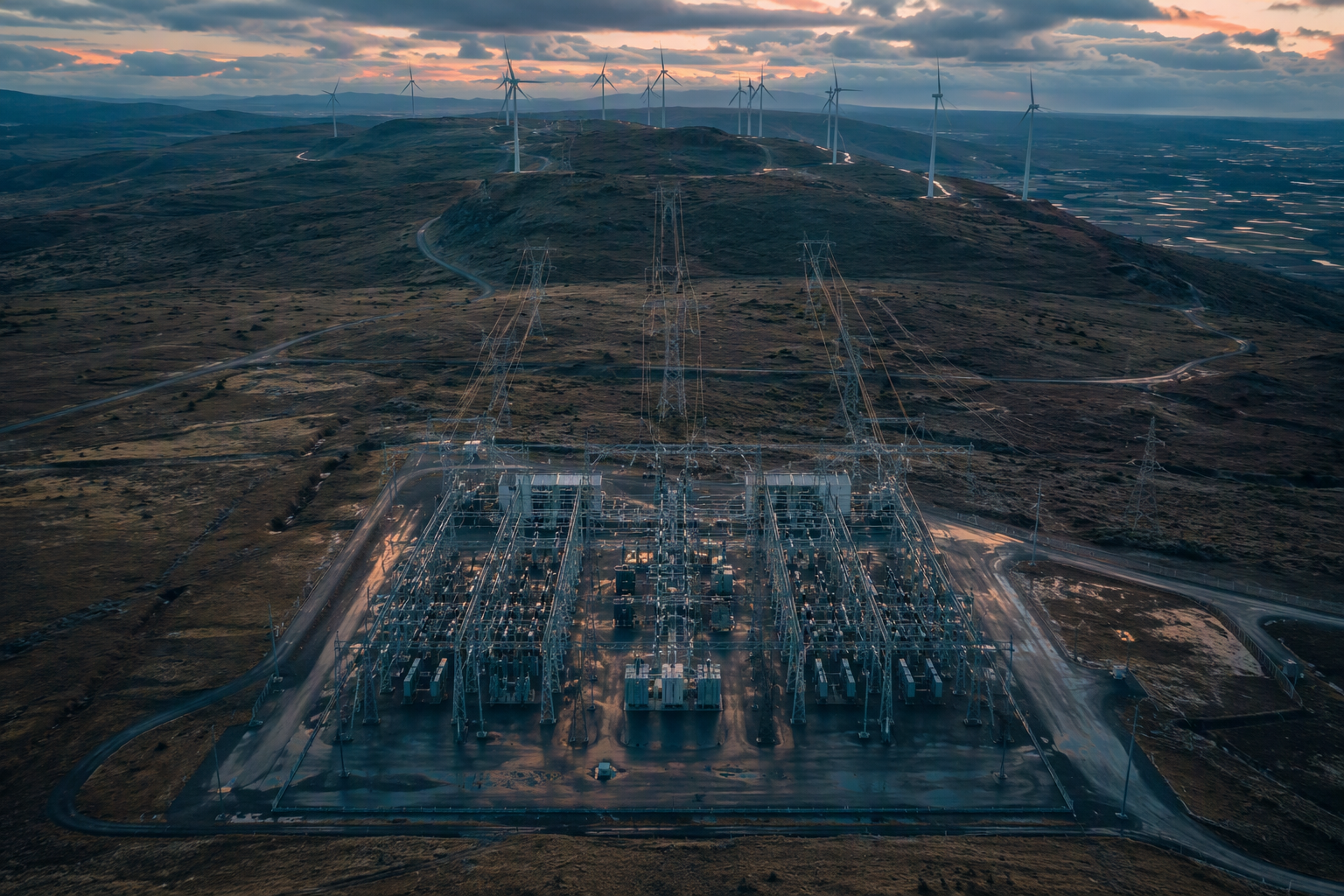
For sustainability and energy-sector professionals, the immediate action is to track the programme as a distribution-network investment rather than a generation project. Its stated scope is infrastructure modernisation, reinforcement, extension and digitalisation across the three operators’ service territories.
Why it matters
Distribution systems are the infrastructure that delivers electricity to end users. Enerjisa’s stated objectives for the investment are to improve the reliability, resilience and efficiency of supply in the areas served by its companies.
The three operators provide electricity-distribution services to 22 million people across 14 Turkish provinces. The loan therefore targets network assets serving a substantial customer base, with delivery planned over a five-year investment period.
Enerjisa says it will be the first electricity-distribution company to obtain financing support through the European Fund for Sustainable Development Plus (EFSD+) Hi-Bar Guarantee Programme. According to the source, the Hi-Bar programme can offer financing guarantees of up to €168 million for investments within its scope.
What to watch next
Key milestones will be the implementation of planned works across AYEDAŞ, Başkent EDAŞ and Toroslar EDAŞ during 2026–2030, and evidence of progress against the company’s stated reliability, resilience and efficiency objectives.
The transaction also provides an example of the EFSD+ Hi-Bar mechanism being applied to an electricity-distribution company. The source identifies the facility as part of the EU’s EFSD+ framework, which was established to encourage sustainable investment in partner countries.