What happened
Buğday Derneği began its regenerative transformation programme for agricultural production in Hatay in December 2023, following the February 2023 earthquakes. After a two-month assessment of needs and potential, the programme started with 120 prospective producers from several districts.
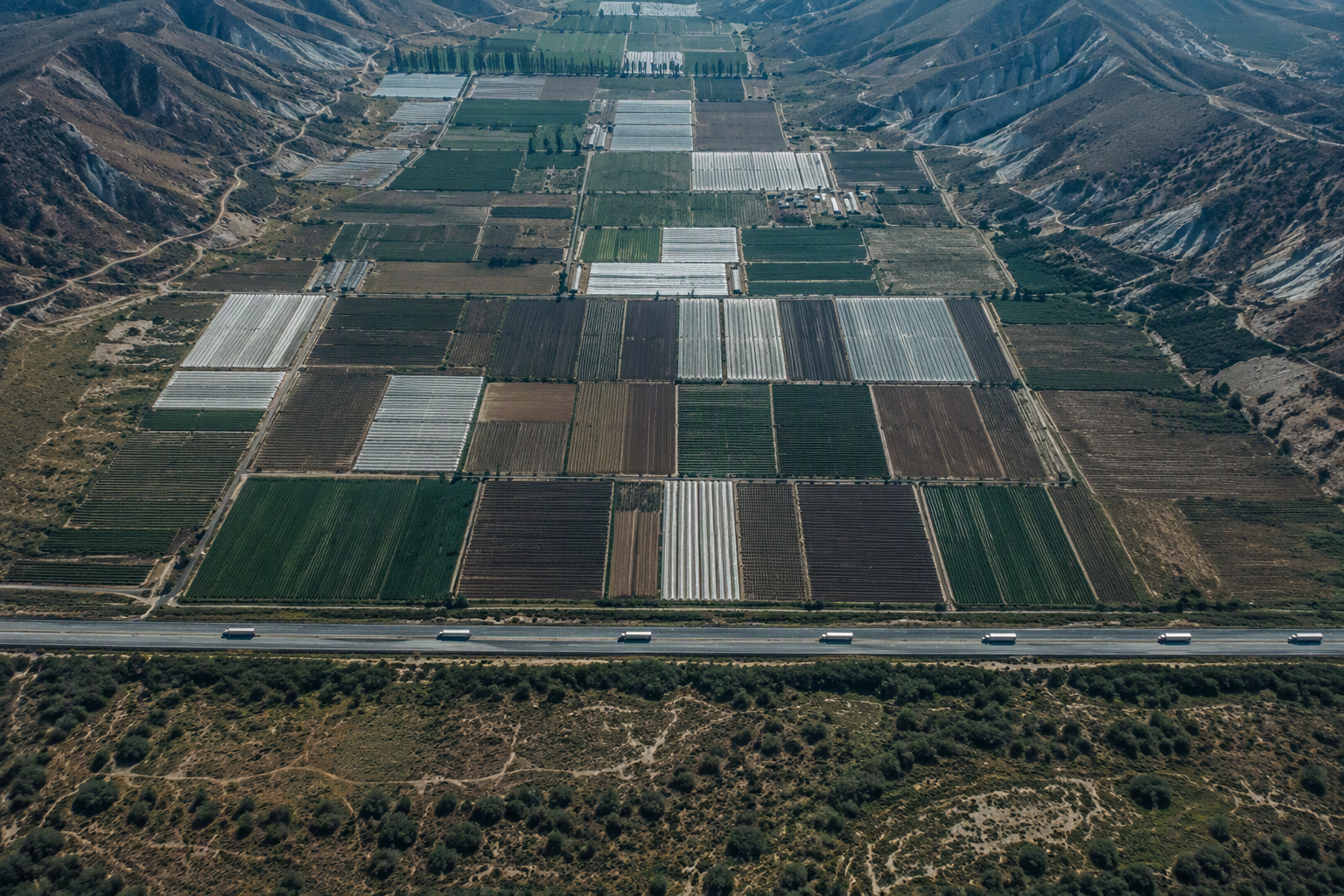
The work covers Karakılçık wheat, citrus fruit, pomegranates, tomatoes, peppers, and medicinal and aromatic plants. During its first two years, farmers received practical and classroom-based support on agroecology, soil restoration, water management, non-chemical disease control, cooperatives, agricultural finance and digital marketing.
The programme also supplied inputs and equipment intended to reduce dependence on external farm materials. These included organic fertilisers, biostimulants, compost systems, a branch shredder and biological pest-control preparations. Technical advice was provided from sowing through to harvest.
Why it matters
The initiative combines changes in cultivation with new routes to market. Before marketing support was provided, products were tested by an accredited laboratory to document that they contained no pesticides. Fresh and processed goods were then sold through direct and solidarity-based channels.
Women’s cooperatives and processing units turned wheat, tomatoes, peppers and citrus into products including flour, bulgur, tomato paste, pomegranate molasses and dried foods. Citrus was sold through retail orders, wholesale purchases and campaigns supplying soup kitchens and container settlements.
Project analyses and farmer questionnaires indicated that distributed materials and farmer-made preparations reduced costs. The same assessment found that farmers using their own pricing achieved at least twice the earnings available through trader channels. For producers and food processors in Türkiye, the model links lower-input farming with processing and sales arrangements that can retain more value locally.
Background
Karakılçık wheat has become a central crop in the programme. Agroecological cultivation of this local variety began with one producer and 26 decares. By the third year, 12 producers were cultivating it across 100 decares. The first 5 tonnes harvested were all sold.
The programme has also supported peer learning between farmers in Hatay and ecological producers from other parts of Türkiye. Diversifying crops is presented as a way for citrus-focused farms to improve their resilience to ecological and economic pressures.
What's next
Farmers have formed an ecological production association in Hatay, with 33 members so far. The group is working towards becoming a cooperative, while Buğday Derneği provides support on its internal rules and statutes.