What happened
Climate Network, which brings together 17 organisations working on climate issues, has criticised the start of a permitting process for a proposed imported-coal power plant in Çanakkale.
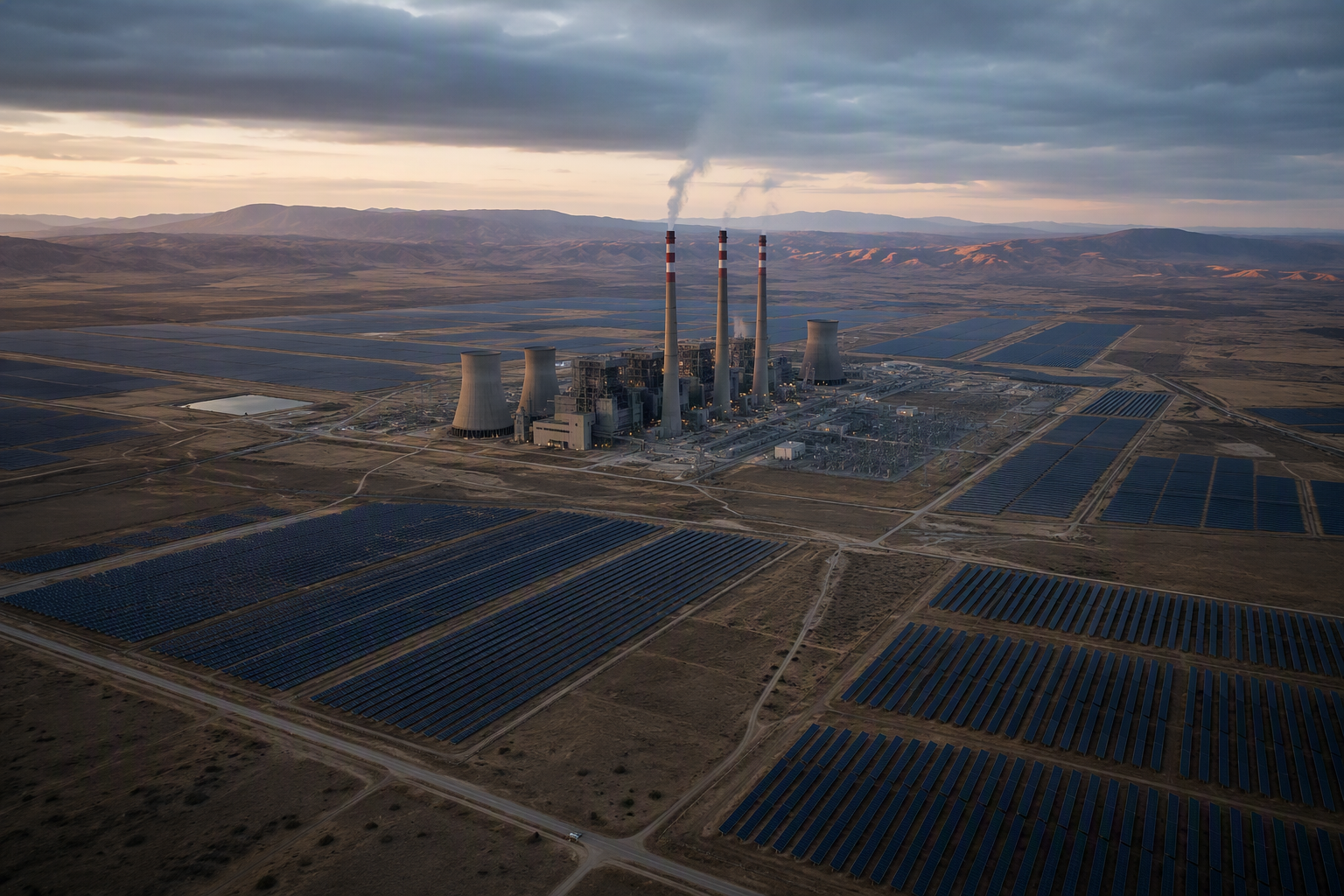
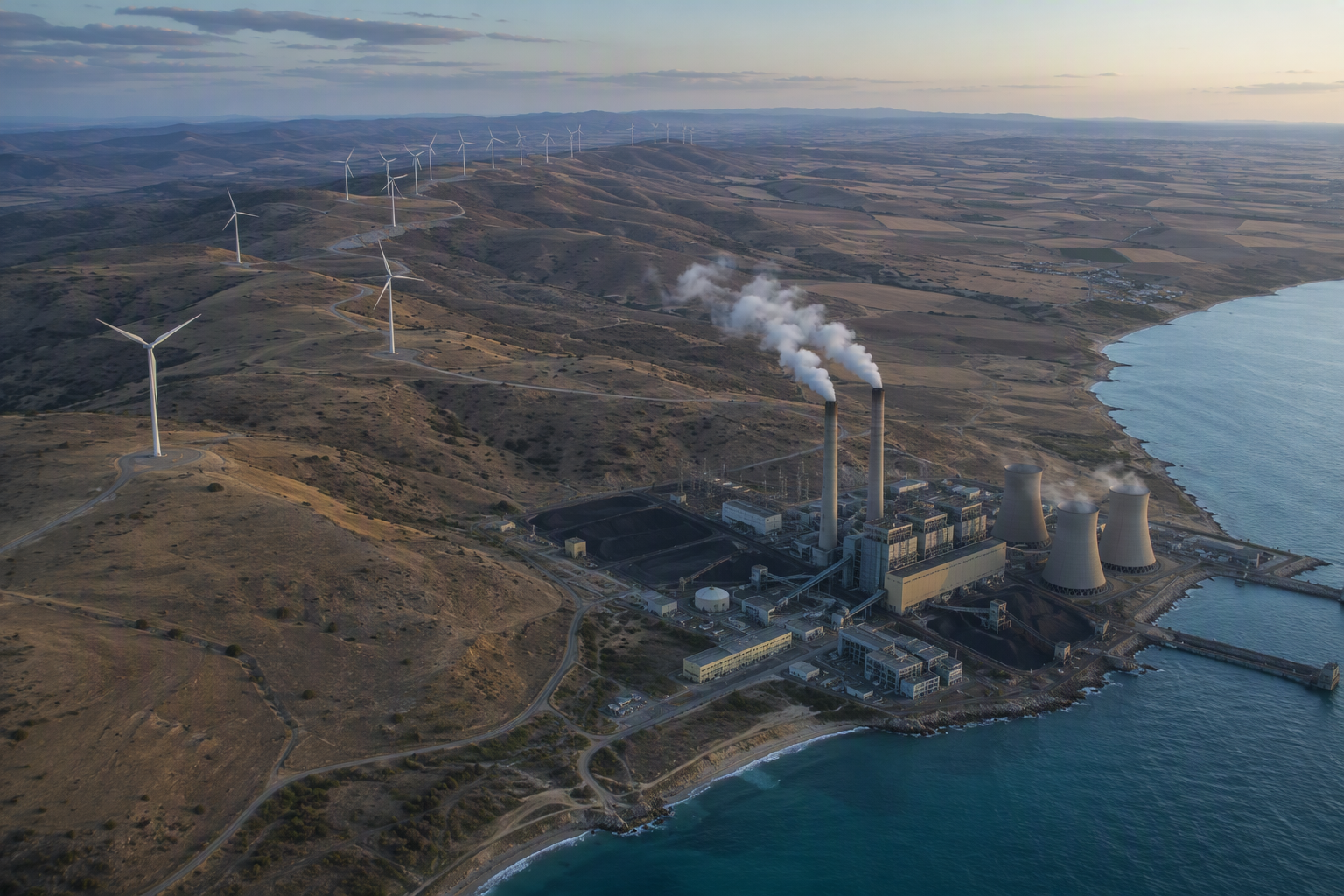
At a pre-COP31 press meeting in Ankara, the coalition said the proposal sits uneasily with Türkiye’s role as host and president of the climate summit. It pointed in particular to plans to add 1,050 MW of capacity to the coal-fired plant at Karabiga, in Çanakkale.
The group also referred to proposed new units at Afşin-Elbistan A power plant. It said a court had cancelled the environmental impact assessment decision for those units, while the Ministry of Environment, Urbanisation and Climate Change had appealed that ruling.
Climate Network said it had not received a response to its request to meet COP31 President Murat Kurum. It called for formal arrangements through which civil society could contribute to policy processes.
Why it matters
The intervention puts domestic coal policy alongside Türkiye’s international climate role. For businesses, investors and energy-sector participants, the debate concerns the future direction of power-system investment, including the balance between coal capacity and renewable generation, efficiency, storage and other flexibility options.
The coalition argued that further imported-coal capacity could increase external energy dependence. It also said the proposed project could add pressure on air quality, health, agriculture, fishing and tourism. It cited the planned discharge of 152,500 cubic metres of heated water per hour as a potential risk for the Marmara Sea and Mediterranean monk seal habitats.
The network said an electricity-led transition would only support decarbonisation if it is accompanied by a move away from fossil fuels, rather than by additional coal investment.
What's next
The coalition said COP31 President Murat Kurum has set out an aim for electricity to account for 35% of global final energy consumption by 2035. It argues that achieving climate benefits from this objective would require renewable energy, efficiency, storage and clean flexibility alongside a planned and fair transition away from coal.
It also called for Türkiye’s proposed national just-transition strategy to address employment and local economic effects in coal-producing regions.