What happened
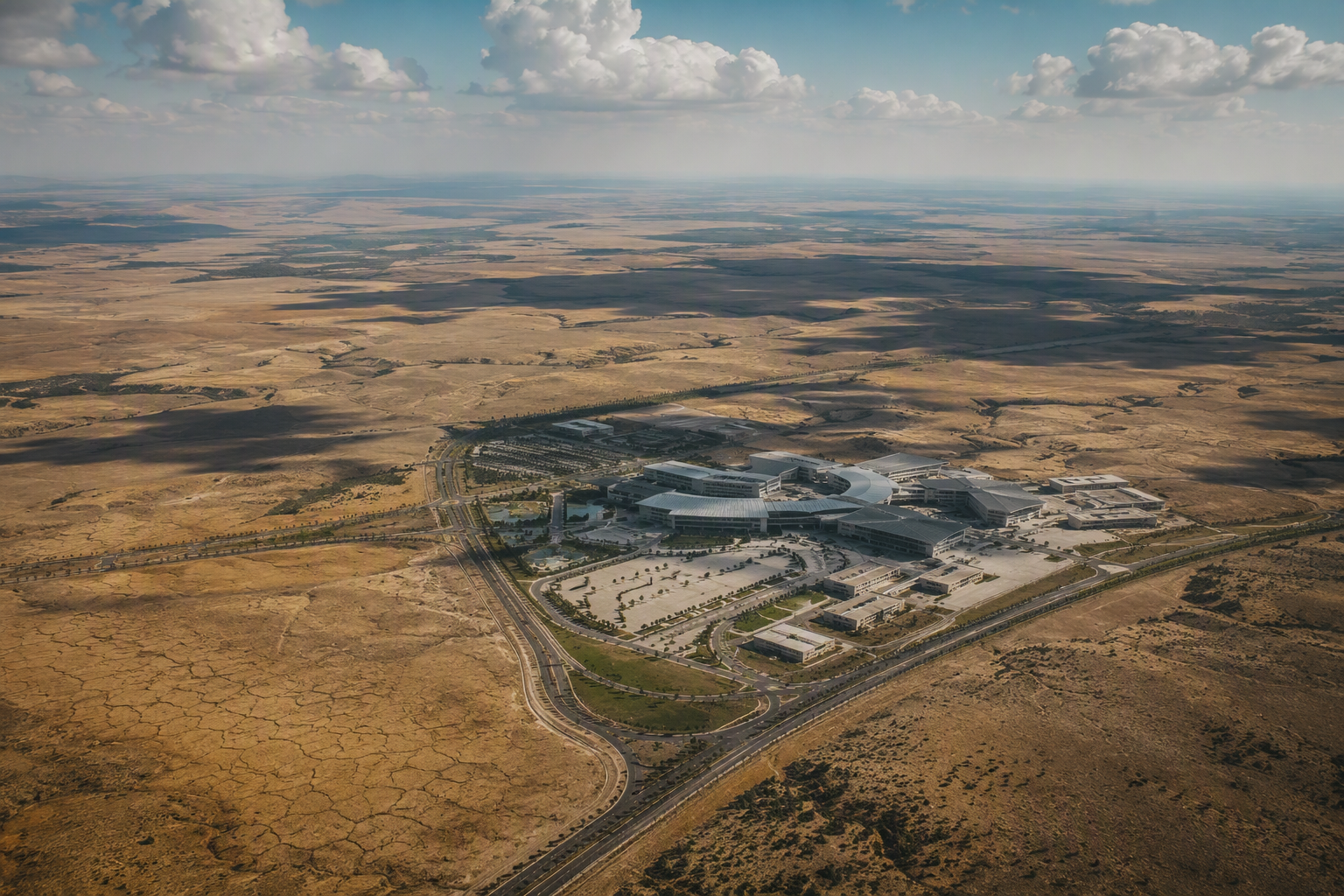
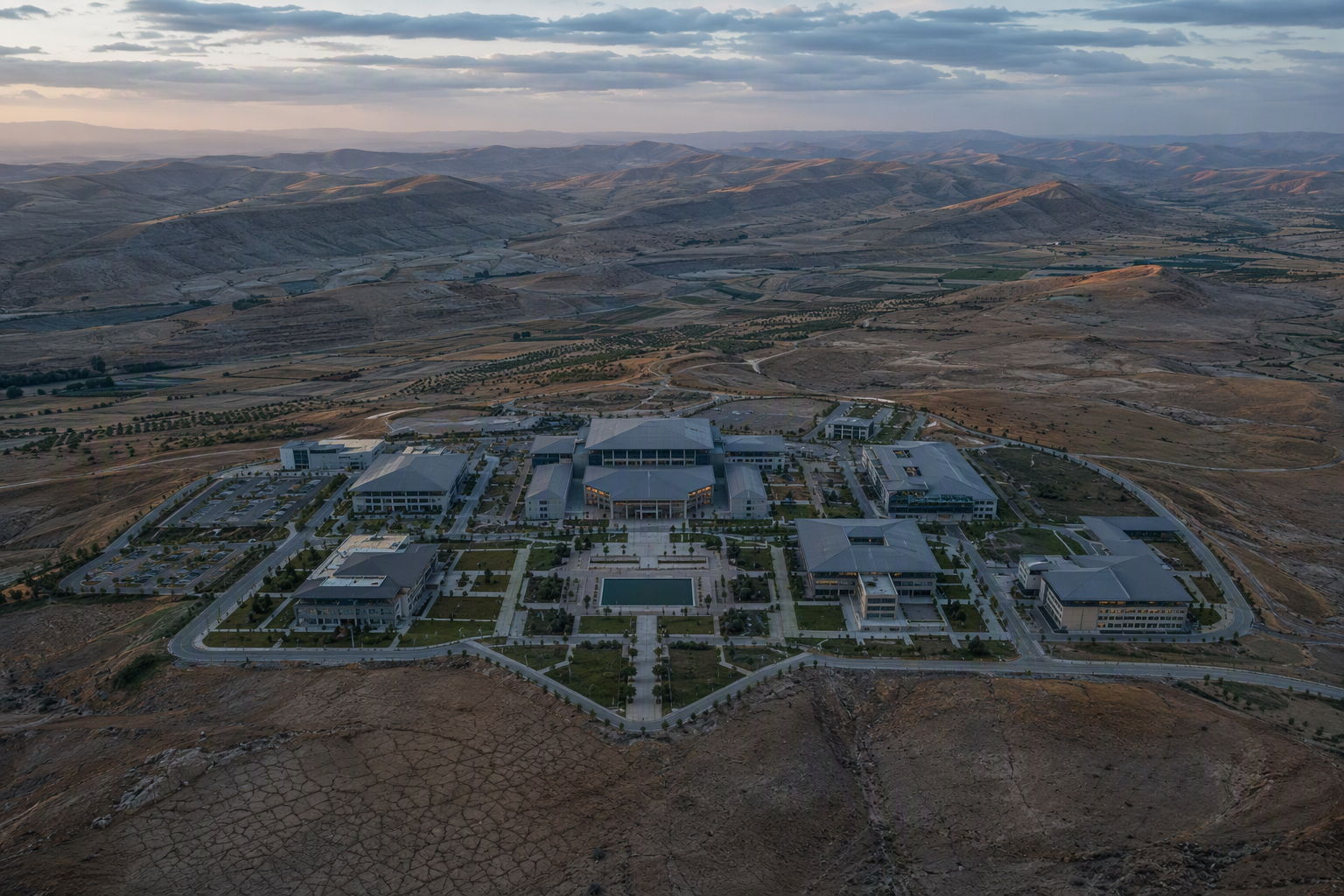
Approximately 200 authors from 79 countries assembled at the Asian Institute of Technology in Pathum, Thailand, between 28 September and 1 October. The gathering was the second lead-author meeting for Working Group III’s contribution to the Intergovernmental Panel on Climate Change’s Seventh Assessment Report, or AR7.
Working Group III assesses the scientific, technical and socioeconomic literature relating to climate-change mitigation. At the meeting, authors discussed and developed initial chapter drafts and worked on stronger integration across the report. The immediate output is a first-order draft that will be released for review by experts internationally.
The AR7 Working Group III assessment is due to examine progress in reducing greenhouse-gas emissions, mitigation pathways compatible with global climate goals, and opportunities across energy, industry, transport, buildings, agriculture and land use. It will also cover the enabling environment for climate action, including finance, technology, governance and international cooperation.
Its scope further includes the relationship between mitigation and sustainable development, equity and just transitions. That breadth means the assessment will consider not only measures to reduce emissions, but also the wider factors associated with their implementation.
Why it matters
The IPCC’s mitigation assessment is intended to provide policymakers with an evaluation of available climate-action options. For organisations planning decarbonisation strategies, the report’s coverage of sectoral opportunities and of finance, technology and governance will be relevant to the evidence base underpinning future policy and investment decisions.
Working Group III co-chair Joy Pereira said policymakers face many questions about the opportunities and challenges of emissions reduction. She said the meeting brought together experts to assess the latest findings on pathways, technologies and policies that could support effective and equitable mitigation.
The process also places equity, sustainable development and just transitions alongside technical and economic evidence. This makes the forthcoming assessment relevant to decision-makers considering how mitigation choices interact with wider social and development objectives.
What’s next
Authors will now prepare the first-order draft for worldwide expert review. IPCC assessments proceed through multiple review stages, first involving experts and later involving governments alongside experts. Those submitting comments on the first draft will be invited to review the second draft, while the published report will identify all expert reviewers.
Working Group III co-chair Kate Calvin said the first-draft review enables specialists around the world to contribute their knowledge and perspectives, helping the assessment reflect the available body of evidence and meet rigorous scientific standards.