What happened
IRENA’s 2026 World Energy Transitions Outlook sets a pathway in which global renewable capacity rises from 5.2 TW to around 38.2 TW by 2050. For energy leaders, the immediate message is that renewable procurement alone will not deliver the system change described in the outlook: efficiency programmes, network capacity and flexibility investments need to advance in parallel.
According to EkoIQ’s report on the outlook, electricity would represent 35% of final energy consumption in 2035 and more than 50% in 2050. Solar and wind are projected to provide above 80% of electricity generation by mid-century.
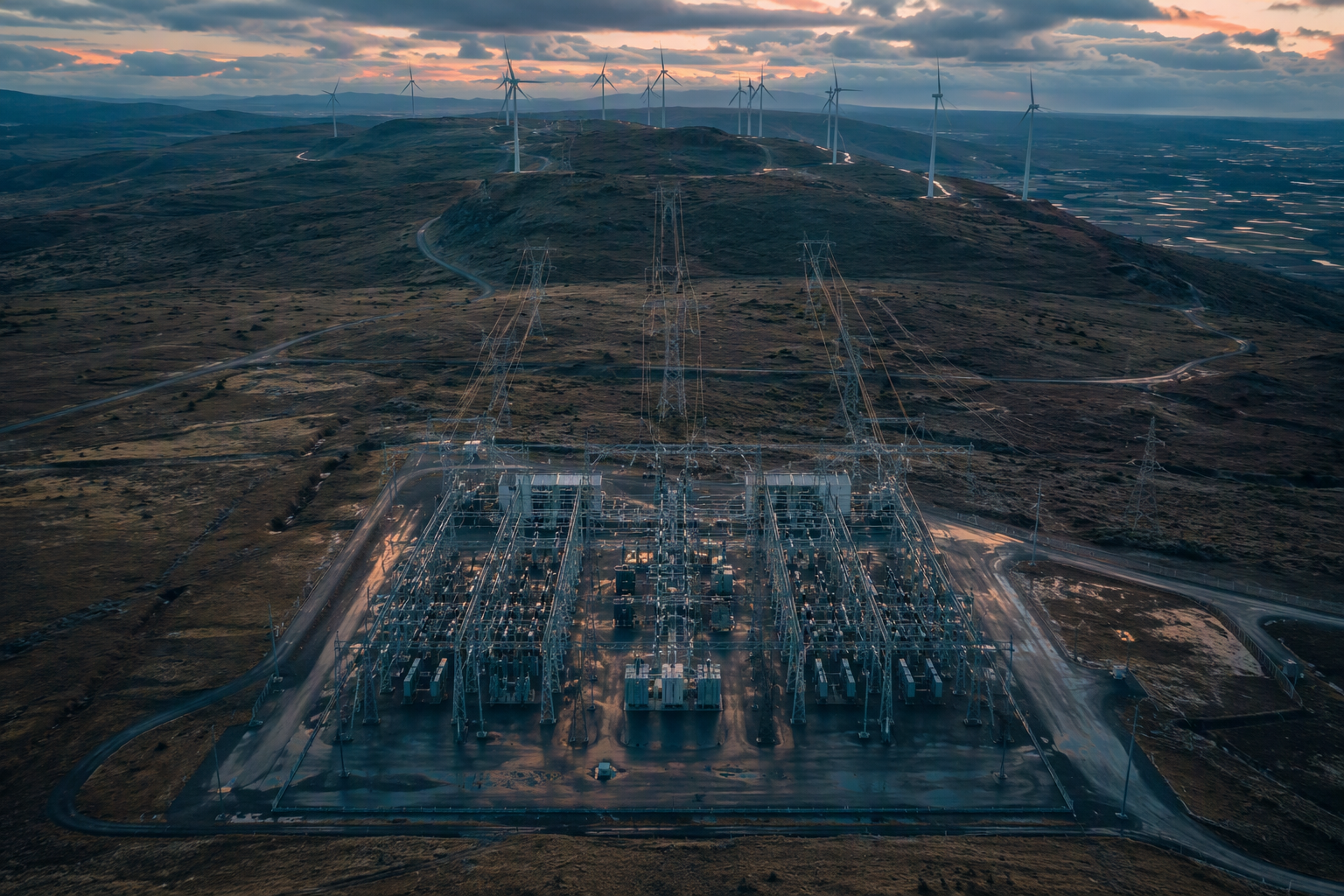
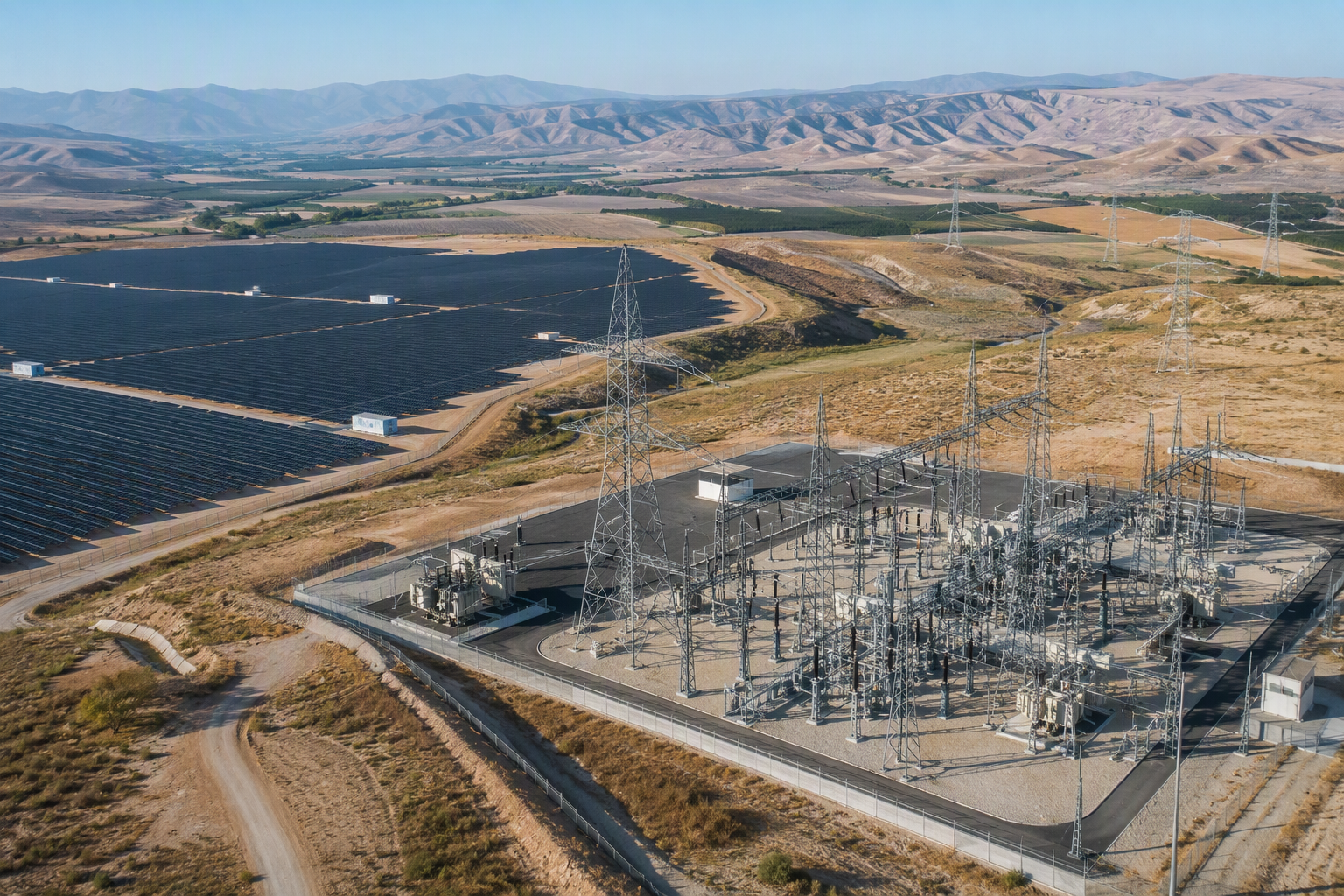
IRENA identifies a gap between the rapid growth of renewable generation and the development of power grids. It also says gains in energy efficiency remain short of the pace required. As electrification increases, the outlook places energy storage, grid flexibility and efficiency among the core components of the energy system.
Why it matters
The findings place operational energy demand alongside clean-power supply in transition planning. Companies and public-sector energy users assessing electrification can use the outlook as a reminder to examine demand reduction, load management, storage and network constraints, rather than focusing only on renewable capacity.
For governments, IRENA calls for joined-up energy planning, modernised electricity networks and stronger investment strategies. The agency frames the challenge as maintaining energy security, affordability, competitiveness and public acceptance while keeping the transition consistent with a 1.5°C pathway.
Investment and economic case
IRENA estimates that global annual investment in the energy transition would need to reach roughly $10.3 trillion during 2026–2050. It also estimates that its 1.5°C scenario could increase annual global economic growth by 1.1% compared with continued current trends, producing an estimated cumulative economic gain of about $46 trillion by 2050.
These are scenario-based estimates, not forecasts of guaranteed outcomes. Their relevance depends on whether investment, policy and system reforms are implemented at the necessary scale and speed.
What to watch next
Readers should watch whether investment in grids, storage and efficiency begins to match the scale of renewable deployment. Progress on those elements will be particularly important as electricity takes a growing share of final energy consumption.