What happened
Izmir Development Agency and Kentimiz Izmir Association have finished the Children Leaving a Mark on the Future project, a four-theme workshop programme attended by 800 students. The themes were artificial intelligence, sustainable agriculture, clean energy and the Izmir Time Machine.
For sustainability professionals tracking education initiatives, the relevant change is the completion of a programme that combined practical learning on renewables and efficient energy use with sessions on water-conscious farming. The agency’s announcement does not identify another delivery phase, timetable or application process.
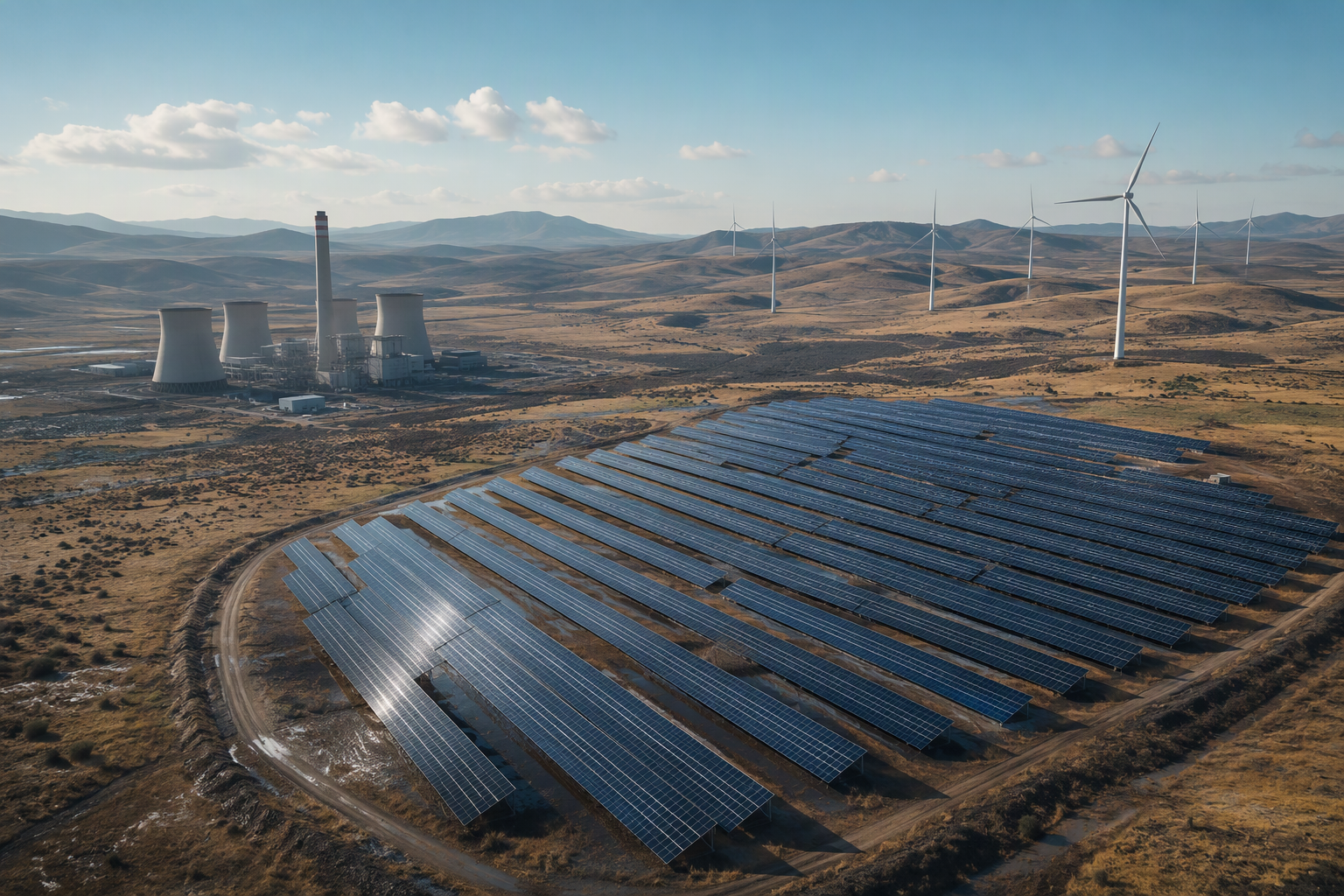
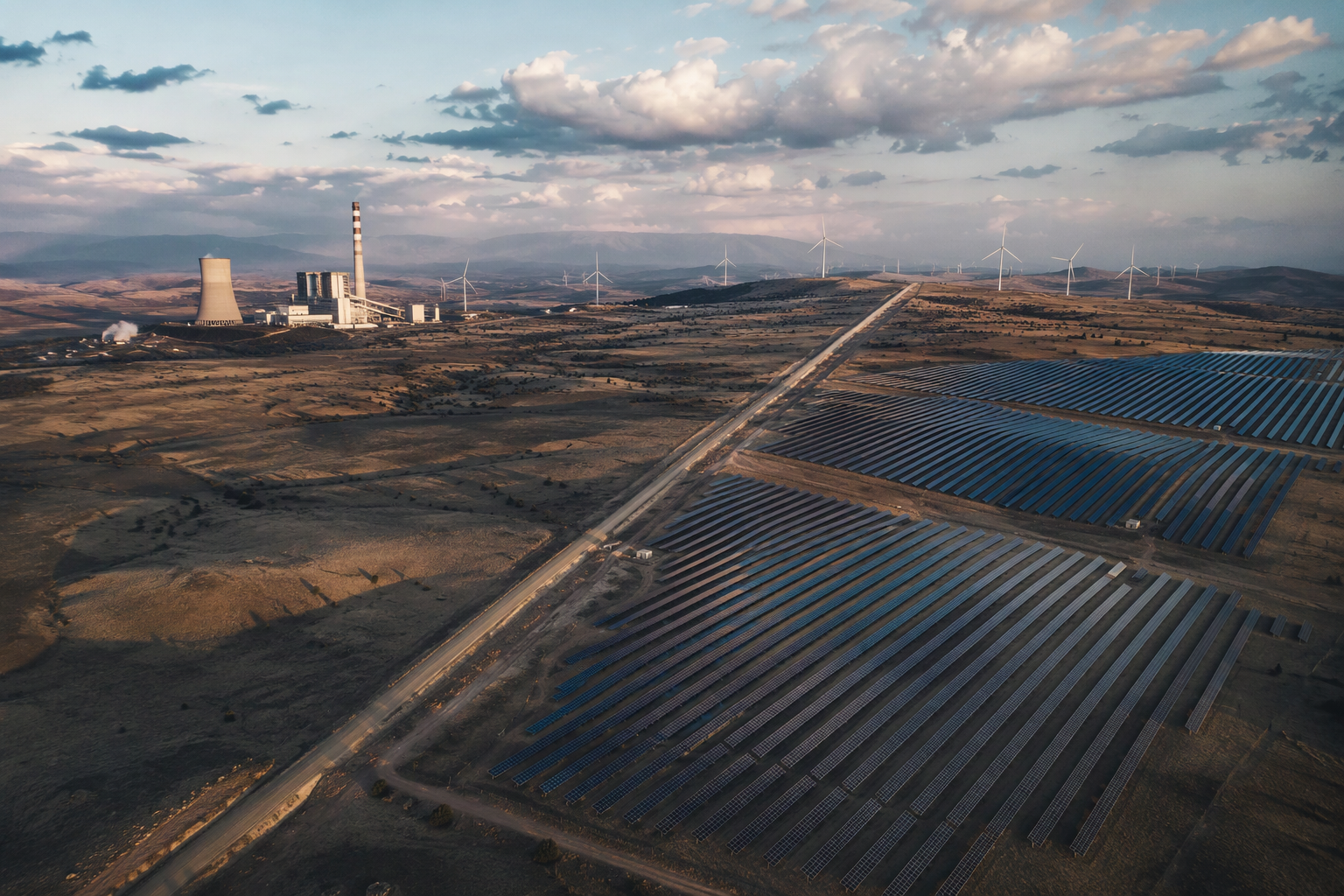
The clean-energy workshops introduced participants to a range of energy sources. Students carried out practical activities concerning renewable energy, energy efficiency and energy use designed to consider environmental impacts.
Why it matters
The project placed clean energy alongside food production, digital capability and cultural heritage rather than treating those subjects as separate areas. In the sustainable-agriculture workshops, students considered soilless cultivation, effective water use and prospective methods of production, as well as links between nature, food and sustainability.
Artificial-intelligence activities explored how the technology operates and gave students experience of different digital tools. The heritage strand covered periods, settlements and significant buildings across Izmir’s 8,500-year history.
The programme was delivered with Izmir Provincial Directorate of National Education, Konak Municipality, the Energy Industrialists and Businesspeople Association, IzQ Entrepreneurship Centre and the Contemporary Life Support Association. According to the agency, the project was intended to help children build sustainability awareness, improve digital skills and engage with cultural heritage through learning about technology and nature.
Programme delivery
The agency and Kentimiz Izmir Association worked jointly on the initiative. The agency’s 18 November 2026 notice describes the workshops as completed and names the participating partners, but provides no further information on repeat cohorts, funding, enrolment or planned expansion.
Organisations considering comparable school-age programmes can note the project’s four-topic structure and the inclusion of applied clean-energy and agriculture activities. The published announcement, however, does not report outcomes beyond participation or provide details of any follow-up evaluation.