What happened
Murat Kurum, president of COP31 and Türkiye’s Minister of Environment, Urbanisation and Climate Change, addressed a parliamentary meeting held in Antalya during the summit’s eighth day. The event was organised by the Inter-Parliamentary Union and the Grand National Assembly of Türkiye.
Kurum said the value of COP31 would depend on how its outcomes are applied after the conference. He placed parliaments at the centre of that process, pointing to forthcoming decisions on energy legislation, resilience funding, water, transport, waste management and industrial transformation.
He said Türkiye had built legal foundations for climate action through parliamentary decisions. According to Kurum, parliament approved ratification of the Paris Agreement in 2021 and adopted Türkiye’s first Climate Law in 2025.
The minister said the law covers emissions reduction, climate adaptation, planning instruments, an emissions trading system, just transition, permitting and inspections. He said it gave public authorities, local administrations and businesses a clearer legal basis for long-term climate transformation.
Why it matters
For Turkish businesses, the policy direction outlined at the meeting points to further decisions affecting investment conditions, industrial transition and access to finance. Kurum said parliamentarians would need to consider how small and medium-sized enterprises can adapt, how workers can move into new occupations and how young people can access new employment areas.
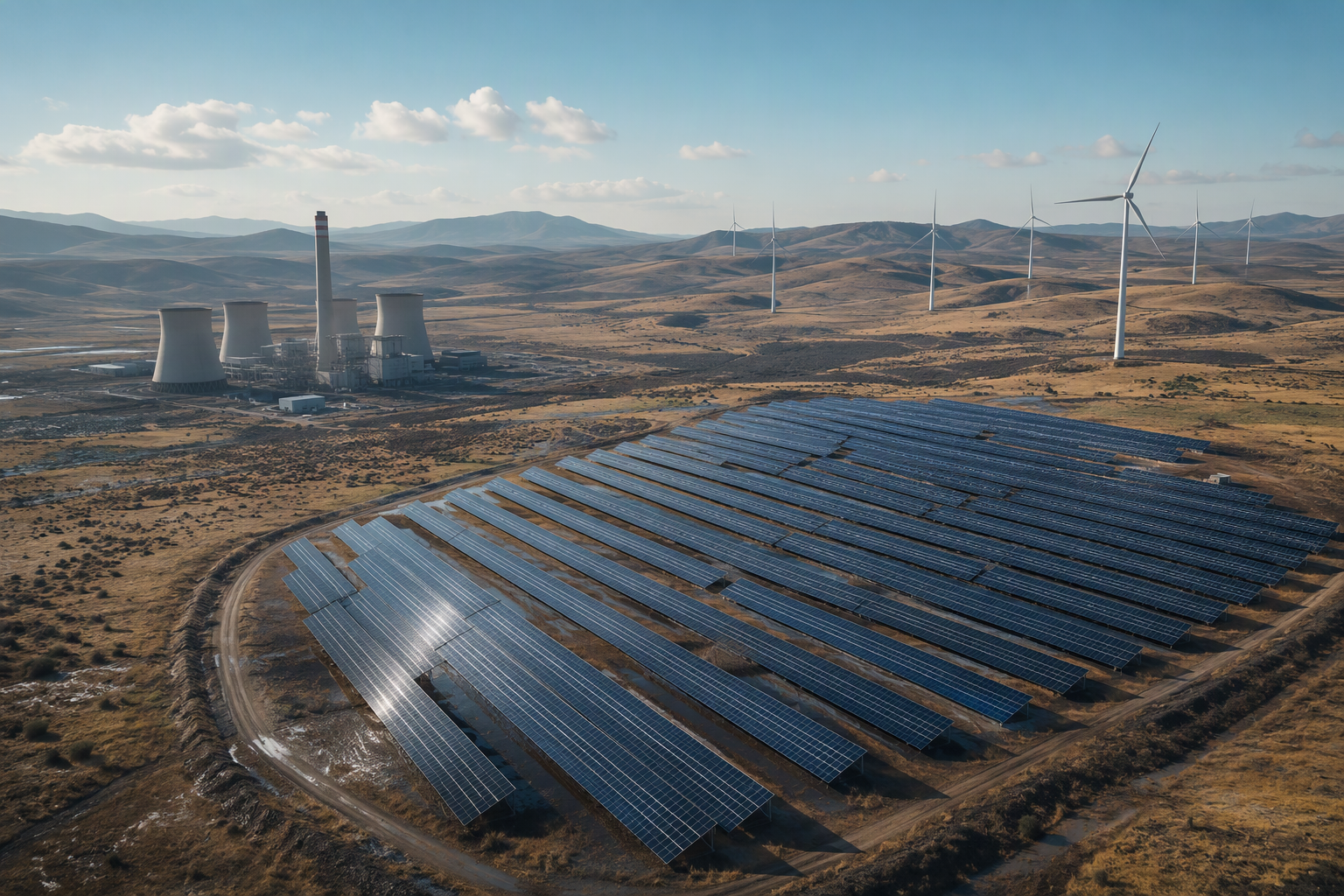
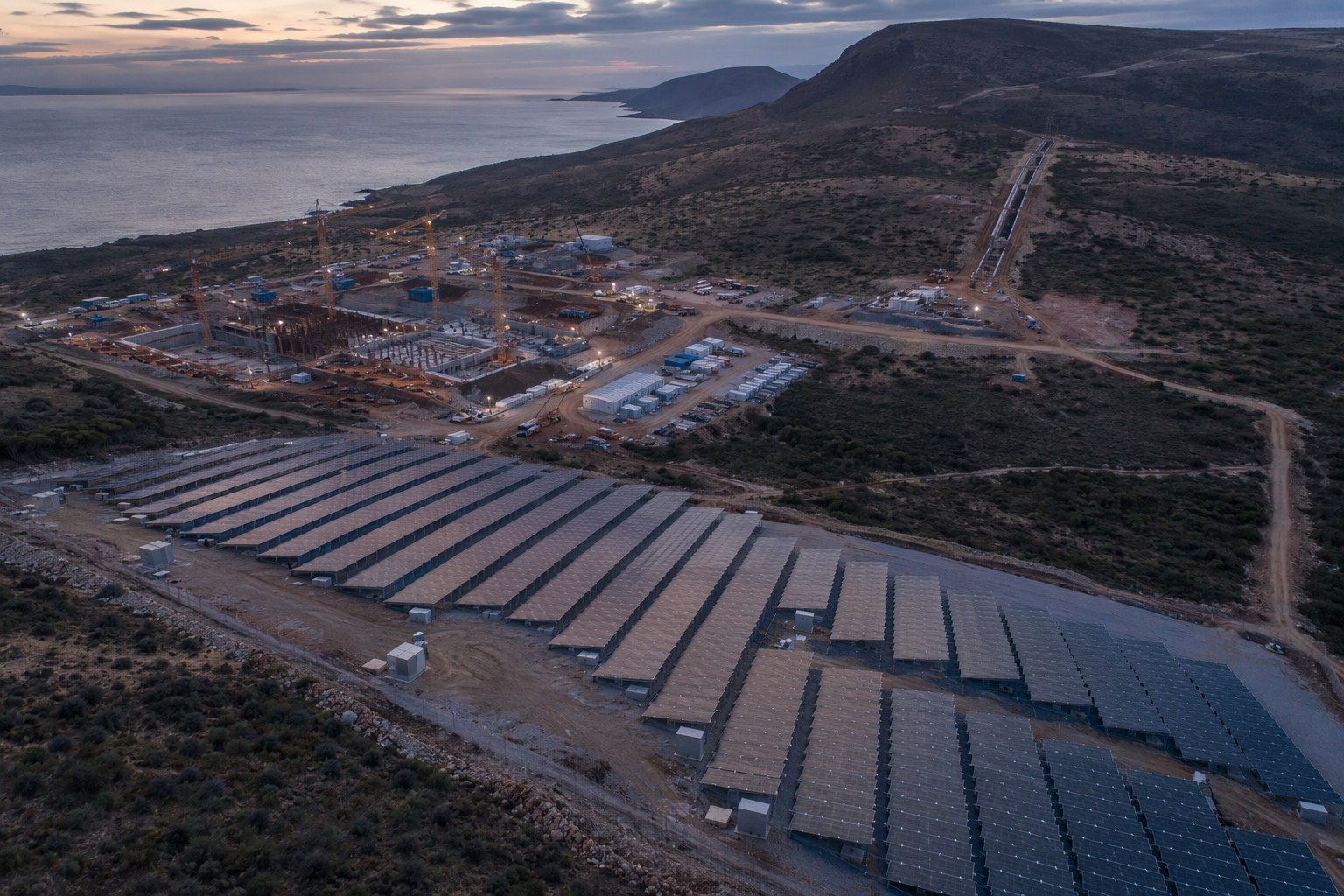
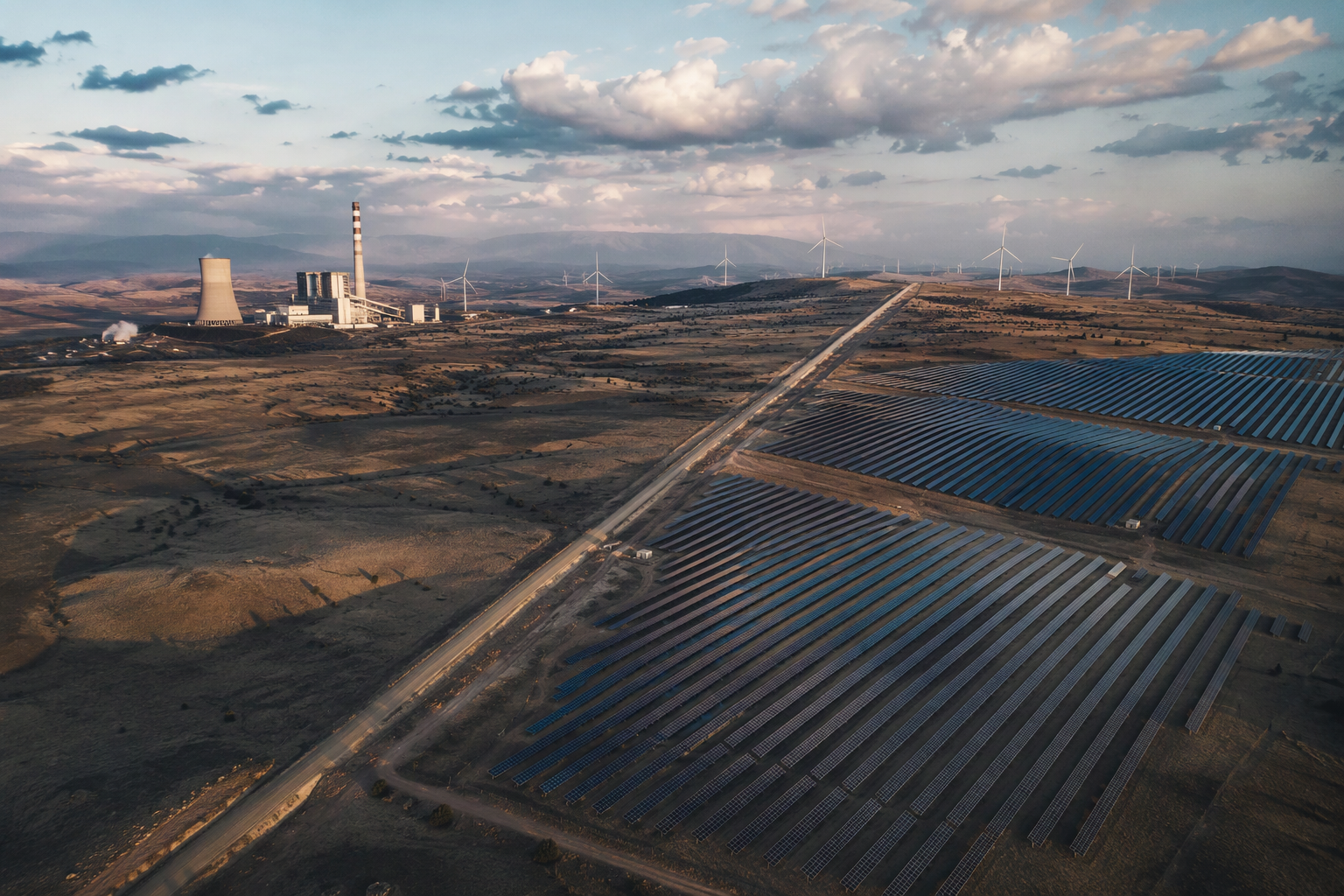
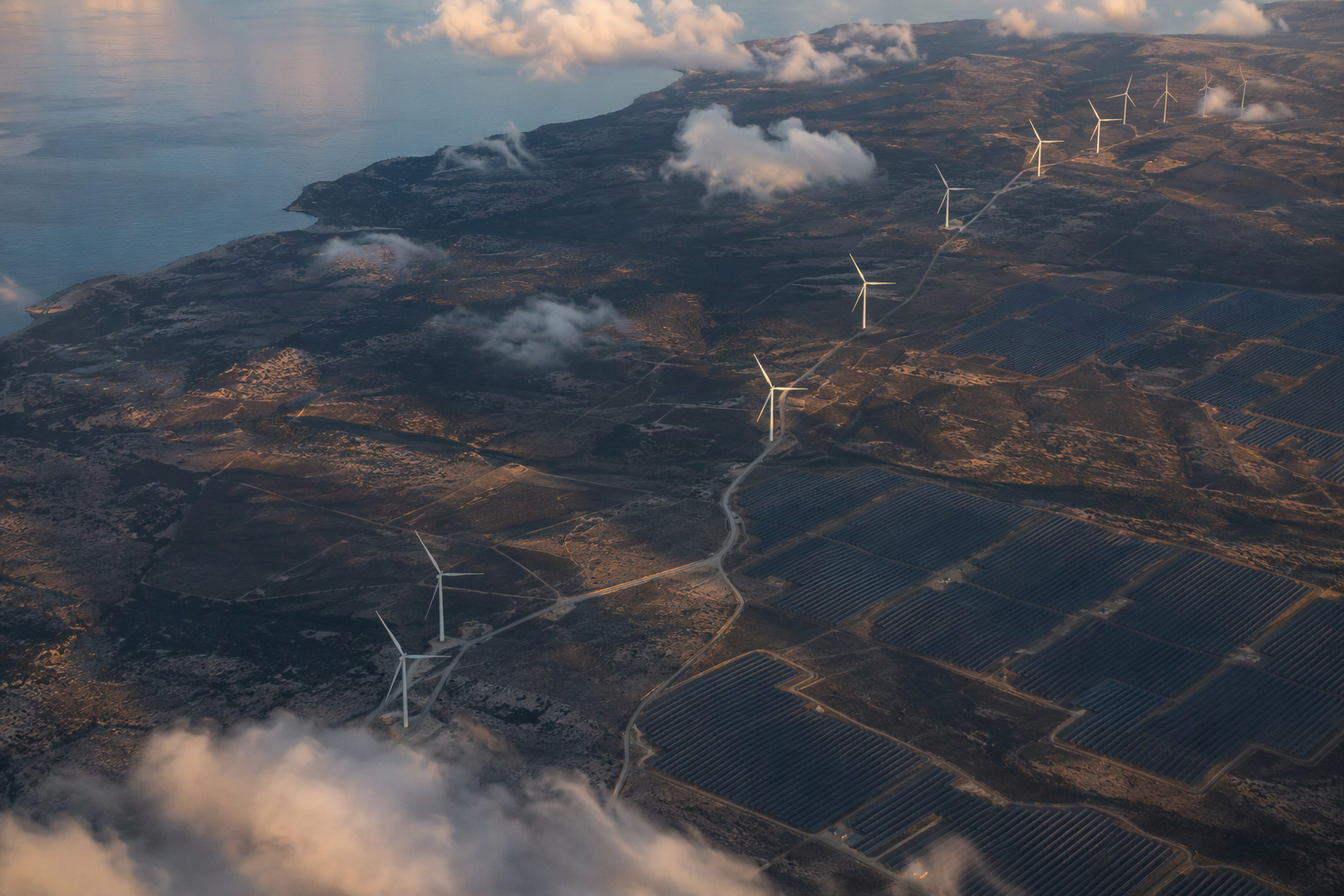
He also linked climate action to energy investment. Kurum said renewable sources now represent 63% of Türkiye’s installed electricity capacity. Under the National Energy 2040 vision, Türkiye aims to reach 175 GW of installed solar and wind capacity.
The minister argued that climate commitments should produce visible results through projects, financing, regulation and public investment rather than remain conference-level pledges.
Background
Kurum said COP31 was being built around dialogue, consensus and action. He noted that countries face different development conditions, energy systems, access to finance and climate risks, and said these differences should be considered when seeking common outcomes.
He also referred to Türkiye’s experience after the 6 February earthquakes, saying 11 provinces and 14 million people were affected. He said 455,000 homes, village houses and workplaces had been completed within two years, and that the recovery had informed work on urban resilience.
What's next
Kurum said the implementation test would begin after COP31 concludes. Future parliamentary agendas may include energy laws, resilience allocations in public budgets, water-security measures and legal arrangements for climate investment.
Türkiye’s stated energy benchmark is 175 GW of solar and wind capacity by 2040.