What happened
Ayhan Yüksel, chair of Türkiye’s Chamber of Mining Engineers, has urged the country to prioritise domestic coal before imports if it continues to consume coal. Speaking to Enerji Günlüğü, he framed the argument around domestic resource use and energy supply.
Yüksel said Türkiye has identified coal reserves of about 13 billion tonnes. In his assessment, much of that resource cannot be used by 2053 at present capacity, particularly where deposits have not been linked to thermal power stations.
He highlighted a different constraint for hard coal used by iron and steel producers. According to Yüksel, more than 95% of those plants’ coal-energy requirements are met through imports, while output from Türkiye Taşkömürü Kurumu (TTK) has dropped to below one million tonnes.
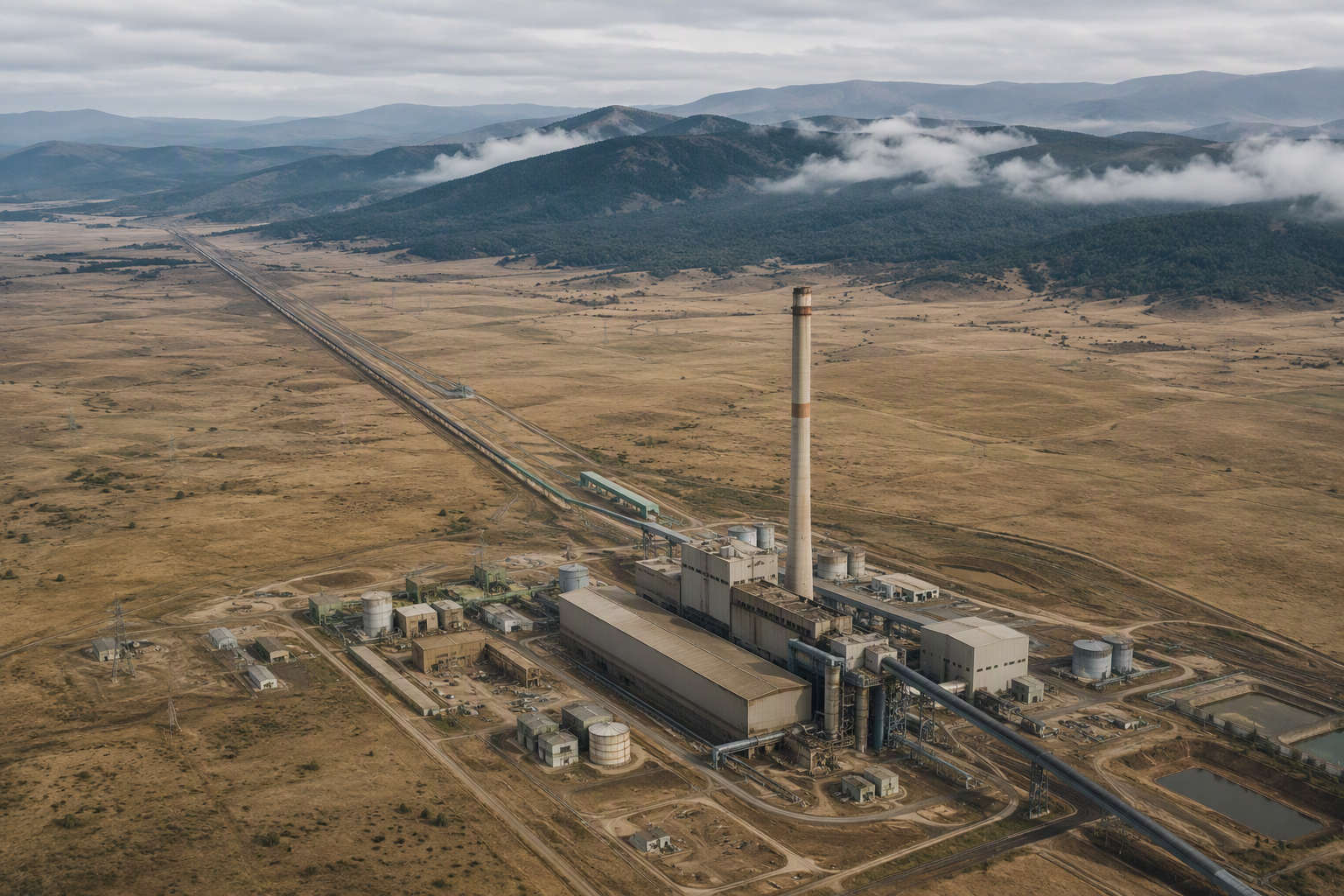
He also cited Çayırhan as an example: 121 million tonnes of reserves would support roughly 24 years of production at five million tonnes annually, he said.
Why it matters
The comments bring together three difficult issues for Türkiye’s energy and industrial policy: reliance on imported coal, the future of domestic coal assets, and an eventual move away from the fuel. For steel and other major coal users, Yüksel’s remarks point to the gap between domestic supply capacity and imported supply currently used by industry.
They also underline that the Chamber of Mining Engineers’ position is not a call to abandon transition planning. Yüksel said a withdrawal from coal should be organised in a fair and planned way, including consideration of workers, their families and communities dependent on the sector.
He questioned how heavy industry would meet its energy needs after a coal exit and said he was not aware of a public plan addressing that transition. These are the views of the chamber’s leader, rather than an announced change in government policy.
What to watch
Yüksel said financing and investment for coal-fired plants have become harder to secure. That could leave coal deposits without associated power stations undeveloped, even as domestic coal advocates argue for greater use of local resources.
For sustainability and industrial decision-makers, the immediate issue is whether transition planning addresses both emissions reduction and the practical requirements of affected workers, regions and energy-intensive manufacturing. Yüksel called for longer-term planning, coordination and technical work on coal and industrial energy supply.