What happened
Ocean temperatures are increasing across 80% of marine waters, according to Barış Salihoğlu, director of Middle East Technical University’s Climate Centre and Institute of Marine Sciences. EkoIQ reported his assessment that the change has become an enduring pattern rather than a short-lived fluctuation.
Salihoğlu said the period from 2015 to 2025 contained the 11 warmest years on record. He estimated that oceans have absorbed heat equivalent to roughly 18 times annual human energy use each year for the past two decades.
He reported warming of 1.1–1.4°C in the Mediterranean, 2–2.5°C in the Mersin and Iskenderun bays, around 2°C in the Marmara Sea, and 2–2.5°C in the eastern Black Sea. The Aegean increase was about 1°C. Surface-ocean pH has fallen by 0.1 units since the Industrial Revolution, corresponding to an estimated 30% rise in acidity.
Why it matters
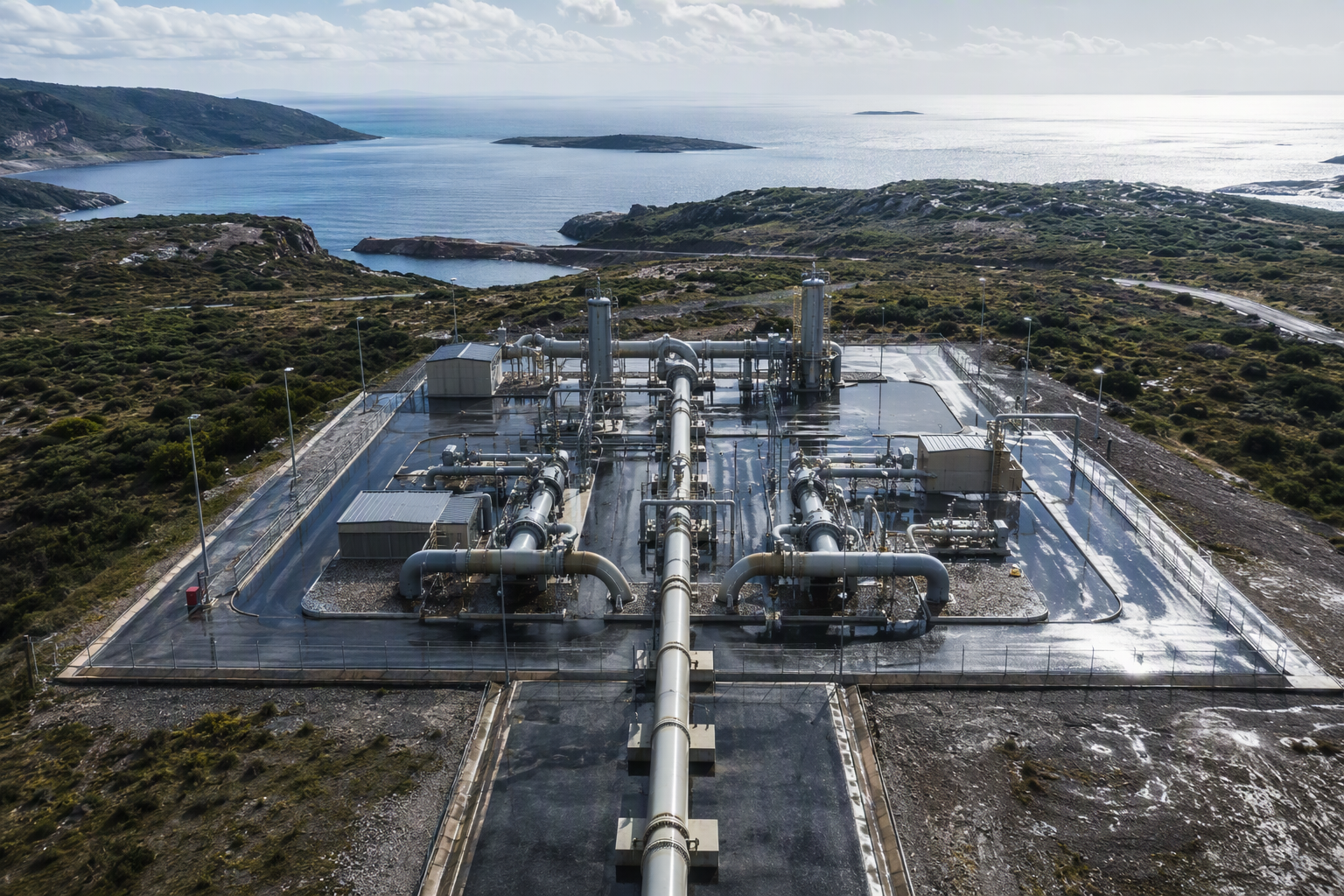
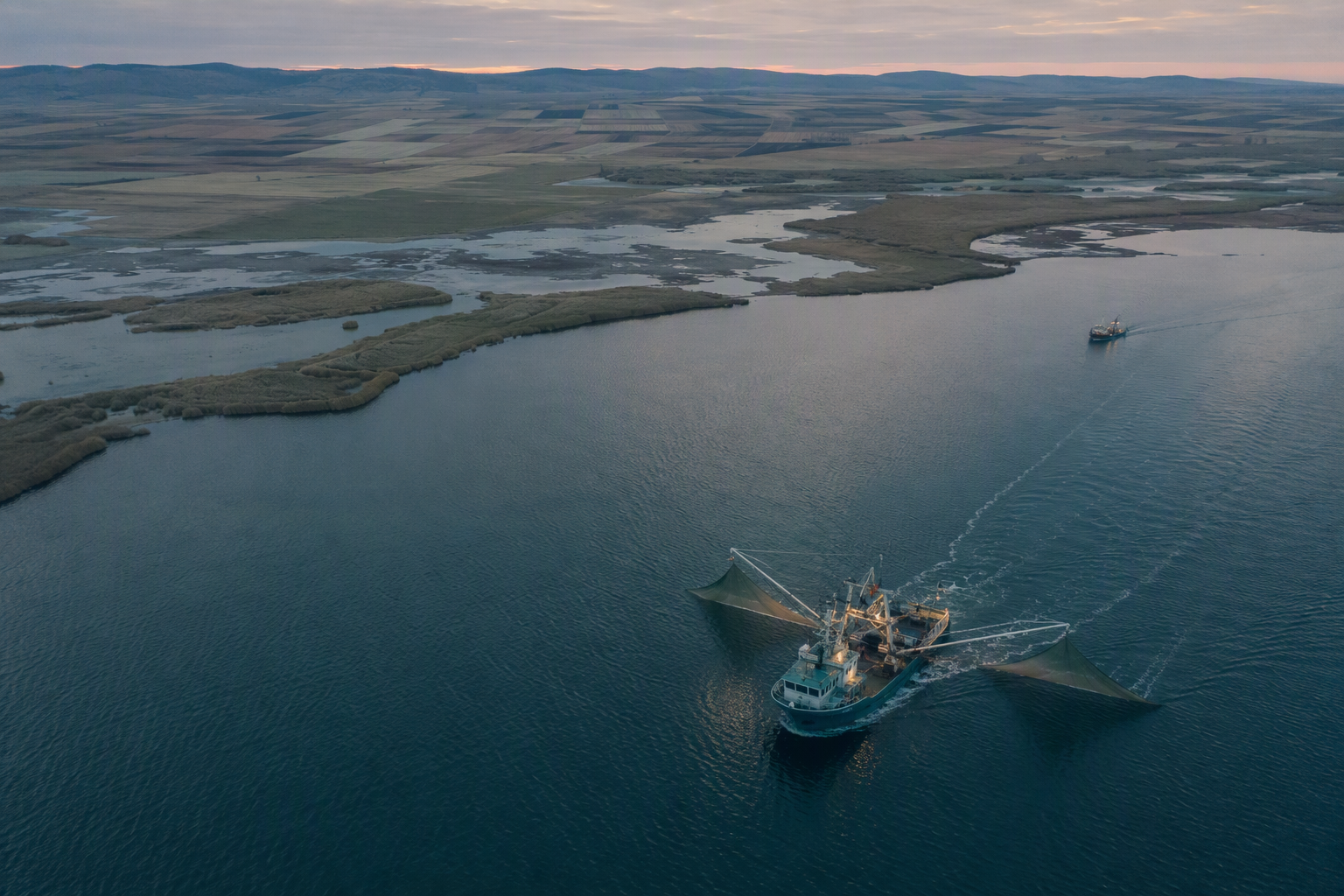
For Türkiye’s coastal economy, warming seas can alter fish distribution, migration routes and breeding periods, making fish-stock forecasts less certain. Salihoğlu identified tourism, fisheries, biotechnology, energy and shipping as sectors exposed to the effects.
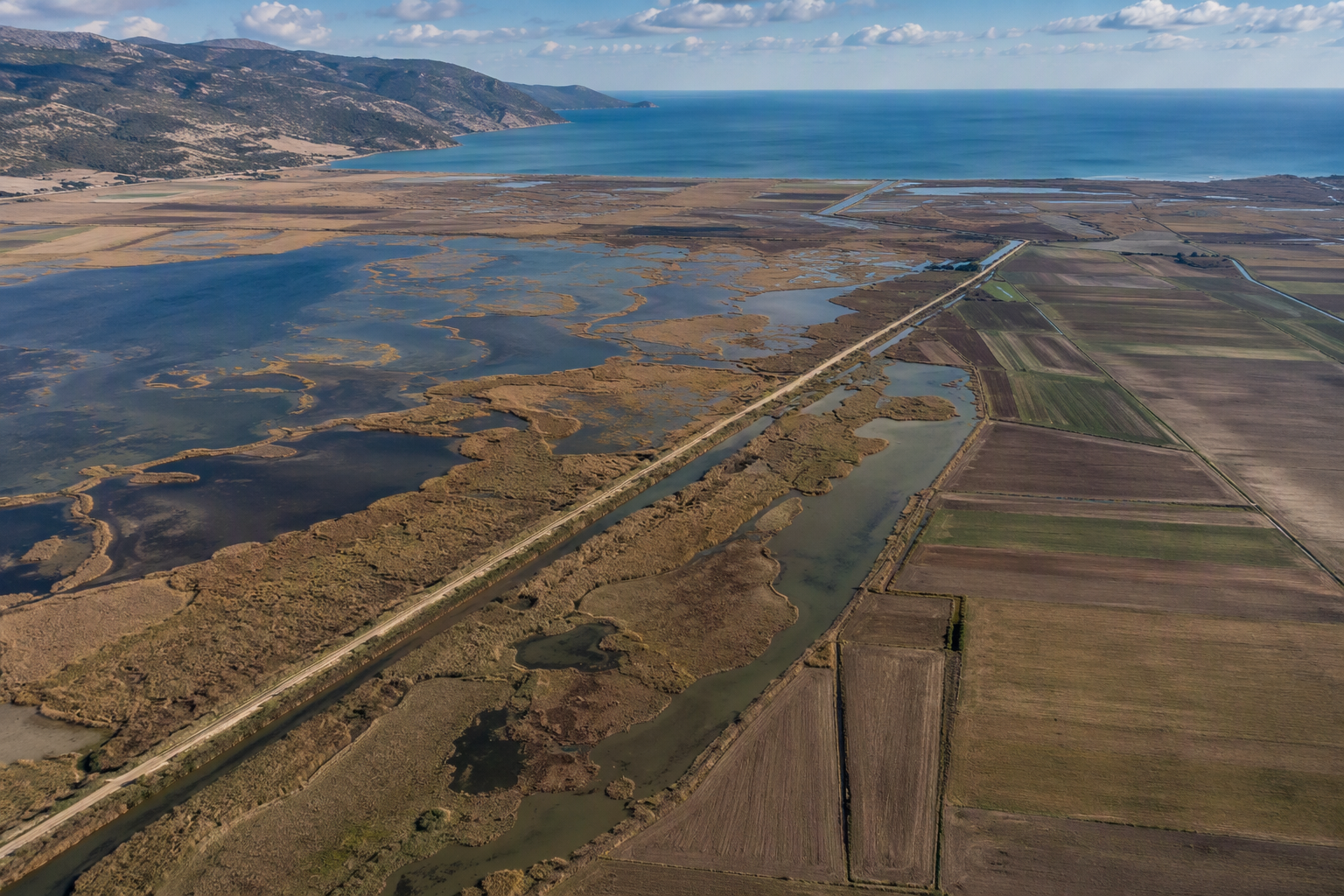
Sea-level rise also creates risks for ports, treatment plants, transport networks and tourism assets in coastal cities including Istanbul, Izmir, Antalya, Mersin and Samsun. Higher seas can compound storm surges, intense rainfall, river flooding and coastal erosion. Saltwater intrusion may reduce soil and groundwater quality in coastal plains, putting agricultural yields under pressure.
The Mediterranean is warming faster than the global average, with temperature increases reported across 98% of the basin. Salihoğlu said marine heatwaves occur at least once a year in 90% of oceans outside polar regions, and are severe in 55% of them. These events can contribute to coral bleaching, fish mortality and ecosystem damage.
What’s next
Salihoğlu said Türkiye needs climate commitments that systematically incorporate marine and coastal measures. He also called for stronger funding for blue-carbon ecosystems, including seagrass, coastal wetlands and salt marshes, alongside improved marine monitoring, early-warning systems and regional cooperation.
A project coordinated by the Ministry of Environment, Urbanisation and Climate Change is developing governance models for a Sustainable Blue Economy Strategic Action Plan. Middle East Technical University provides scientific coordination. Mersin and Iskenderun bays are the pilot areas, where analyses are planned across shipping, fisheries, tourism, energy, biotechnology and biodiversity, supported by digital-twin and decision-support tools.