What happened
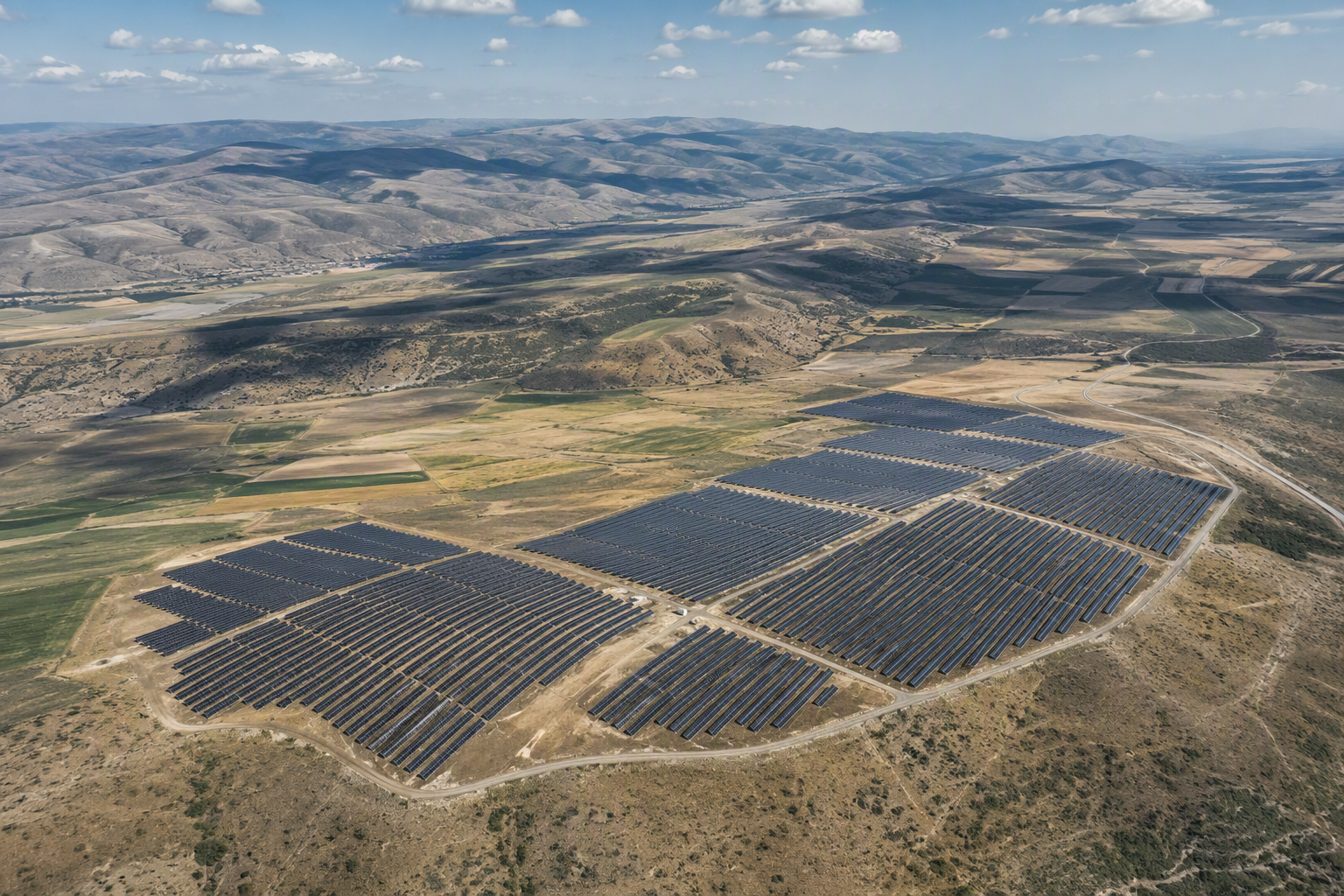
A University of Exeter and Earthshot Prize analysis has ranked a fast global move to clean electricity as the climate intervention with the greatest potential to unlock wider change. It focuses on positive tipping points: thresholds after which a technology or practice becomes cheaper, more widely used or more politically accepted, reinforcing further uptake.
The assessment applied this approach to 51 priority areas across five goals: protecting nature, improving air quality, restoring oceans, reducing or removing waste, and addressing climate change. It concludes that lower-cost solar and wind power can make electric vehicles, heat pumps and cleaner industrial processes more attractive, while reducing air pollution and increasing demand for renewable power.
Why it matters
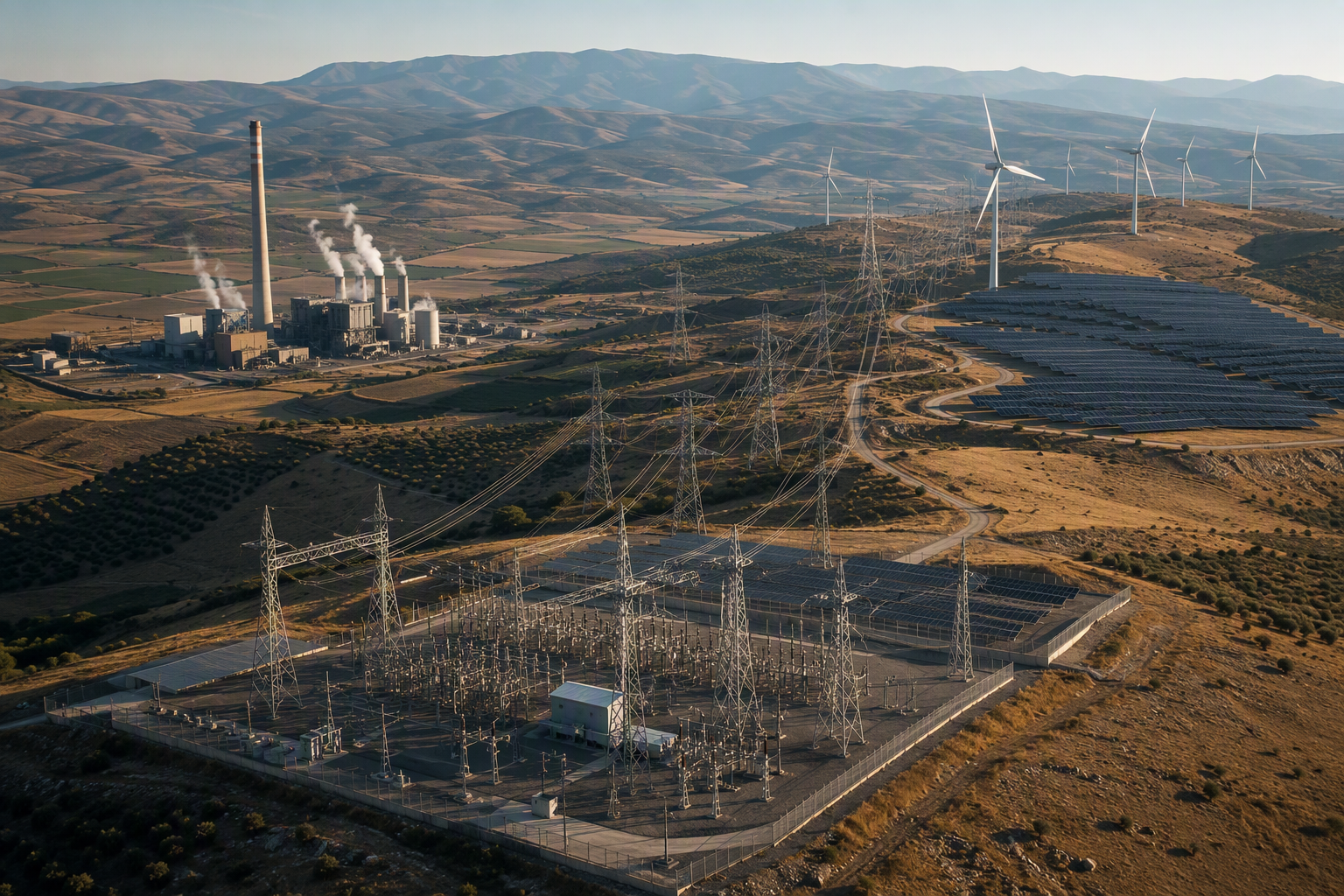
For businesses and policymakers, the analysis points to electricity systems as a foundation for decarbonising transport, buildings and industry. Delays in planning and grid expansion are slowing progress in wealthier economies, while insufficient investment is a major constraint elsewhere.
The report highlights a large imbalance in clean-energy finance: Africa has 60% of the world’s best solar resources but receives less than 2% of global clean-energy investment. It also says joint policies covering power, transport and heating could advance tipping points in those sectors by two to eight years.
For the EU and other large consumer markets, coordinated rules on commodity supply chains could also have wider effects. The analysis says alignment among the EU, China, the United Kingdom and the United States could help establish deforestation-free products as a global standard for commodities including beef, soy, palm oil, timber, cocoa and coffee.
Background
The work draws on research associated with Professor Tim Lenton, founding director of Exeter’s Global Systems Institute. It treats positive tipping points as the constructive counterpart to damaging climate thresholds, such as ice-sheet collapse or coral-reef loss.
The analysis also identifies methane reductions as a rapid means of limiting peak warming. Methane has contributed roughly 30% of warming so far but remains in the atmosphere for around 12 years. Satellite and drone monitoring can identify leaks that were previously difficult to detect, potentially enabling relatively low-cost action within a decade.