What happened
Months of unusually hot and dry weather have brought water levels on major European rivers down sharply. The Rhine and Danube are among the most affected, with consequences for freight transport, power generation and industry.
At the Kaub gauge in Germany, the Rhine fell to 8 cm on 18 August. This was below the 78 cm threshold at which river shipping starts to face restrictions, and below the previous record low of 25 cm registered in 2018.
Some vessels on the Rhine were carrying only around 20% of their usual load in early August. On the Romanian stretch of the Danube, cargo volumes in some sections had to be cut by as much as 40%.
The two waterways are central to European inland shipping: the Rhine accounts for 60% of such transport and the Danube for a further 12%. Inland waterways represent 5.4% of freight transport in Germany and up to 19.2% in Romania.
Why it matters
Low water raises the cost and complexity of moving bulk goods. A river vessel can carry about 2,000 tonnes, compared with 1,500 tonnes by freight train and 25 tonnes by tanker lorry. Replacing river capacity is therefore difficult when navigation is limited.
During the 2018 low-water episode, loading limits and operator surcharges lifted inland-shipping costs to as much as 2.5 times normal levels for dry bulk and 4.5 times for liquid bulk. That disruption was associated with a 0.3 to 0.4 percentage-point reduction in German real GDP growth.
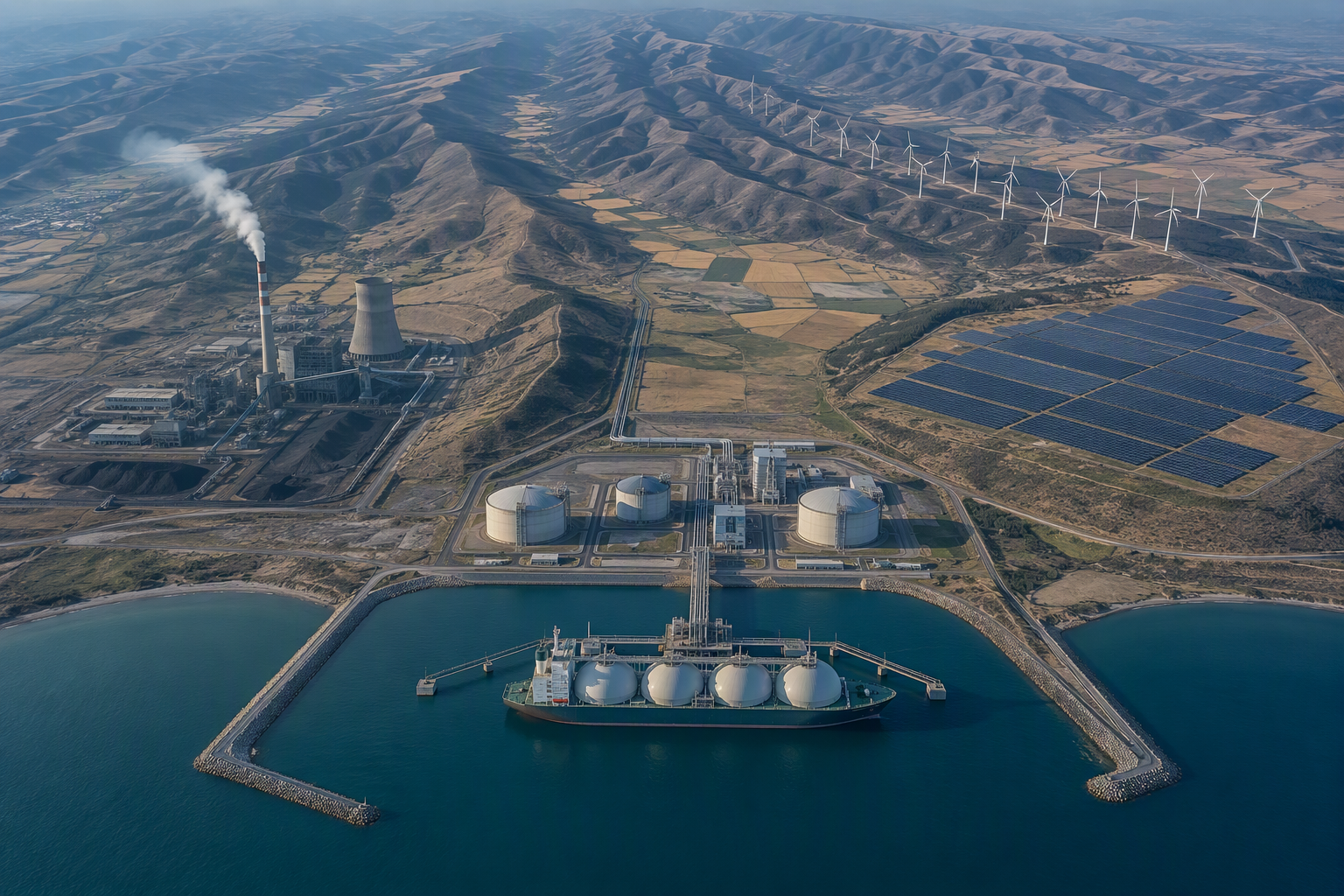
Energy systems are also exposed. The Danube is important for cooling at Hungary’s Paks and Romania’s Cernavodă nuclear plants, whose operations have begun to be affected. These facilities provide about 40% of Hungary’s electricity output and 20.5% of Romania’s. Replacing lost output can require electricity imports or more costly gas-fired generation; imported electricity in Romania can cost two to 2.5 times domestic supply.
Hungary and Romania have introduced temporary measures to reduce electricity use by some large industrial companies. Automotive, chemicals and building-materials producers are among the energy-intensive sectors likely to face the greatest pressure.
Background
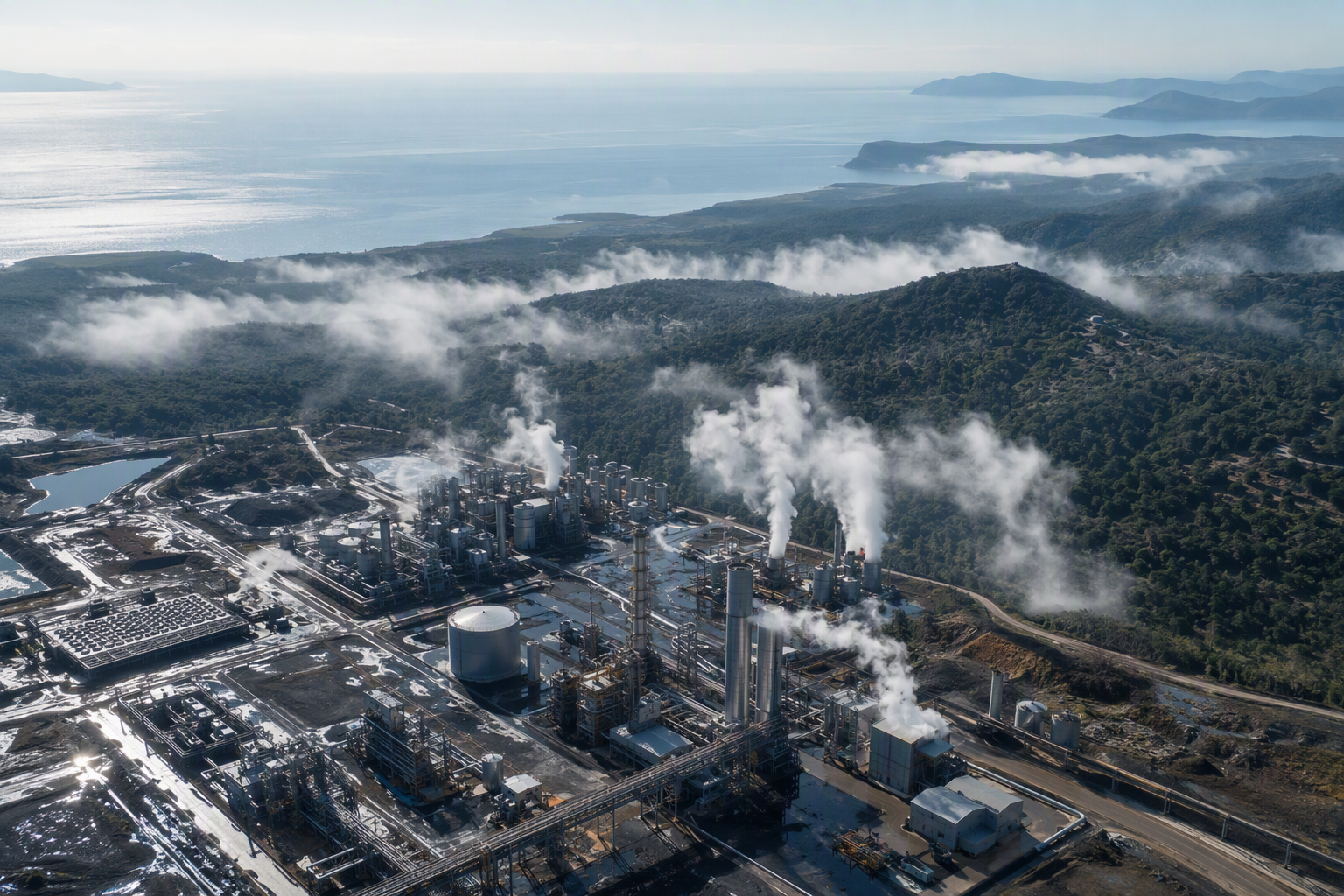
German chemicals producers are particularly reliant on the Rhine. BASF’s Ludwigshafen site, located south of the Kaub bottleneck, moves about 40% of its freight by river. Further declines could disrupt its links with the ports of Amsterdam, Rotterdam and Antwerp. The German chemicals sector’s output has already fallen by about 20% since 2018.
What's next
Short-term hydrological forecasts indicate only limited improvement. As low-water conditions on the Rhine often persist into autumn, freight and production disruptions may continue in the coming weeks. Businesses dependent on inland waterways may need to diversify supply routes and strengthen plans for climate-related interruptions.