What happened
Togg has announced an ambition to achieve carbon neutrality by 2035 covering the company and its supply chain. The commitment was set out by chief executive M. Gürcan Karakaş during COP31 in Antalya, where Togg is the event’s mobility-sector partner.
The electric-vehicle company is also sponsoring the Start-up Zone main stage. At its COP31 presence, it is presenting its vehicles, digital offerings and fast-charging services through interactive displays.
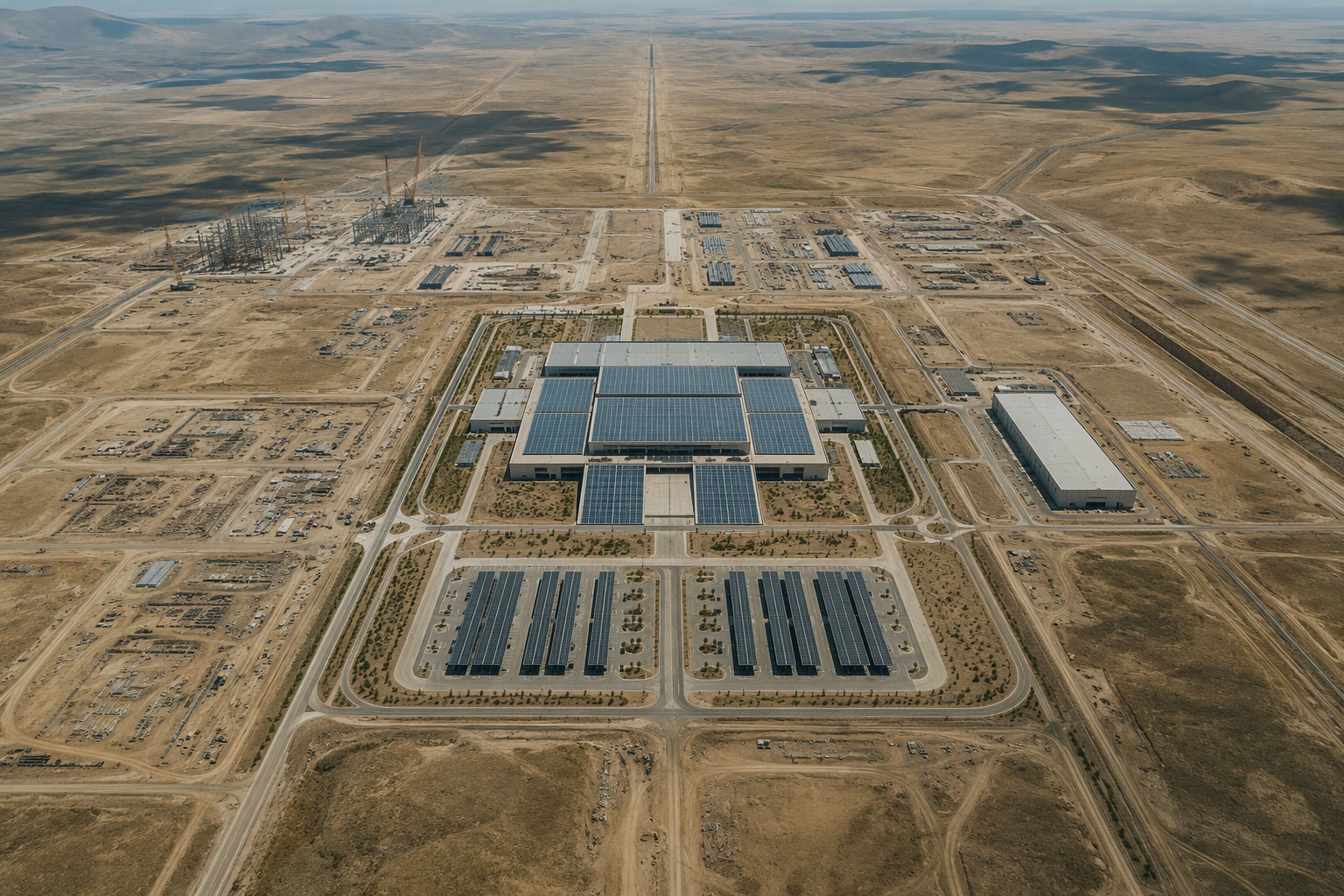
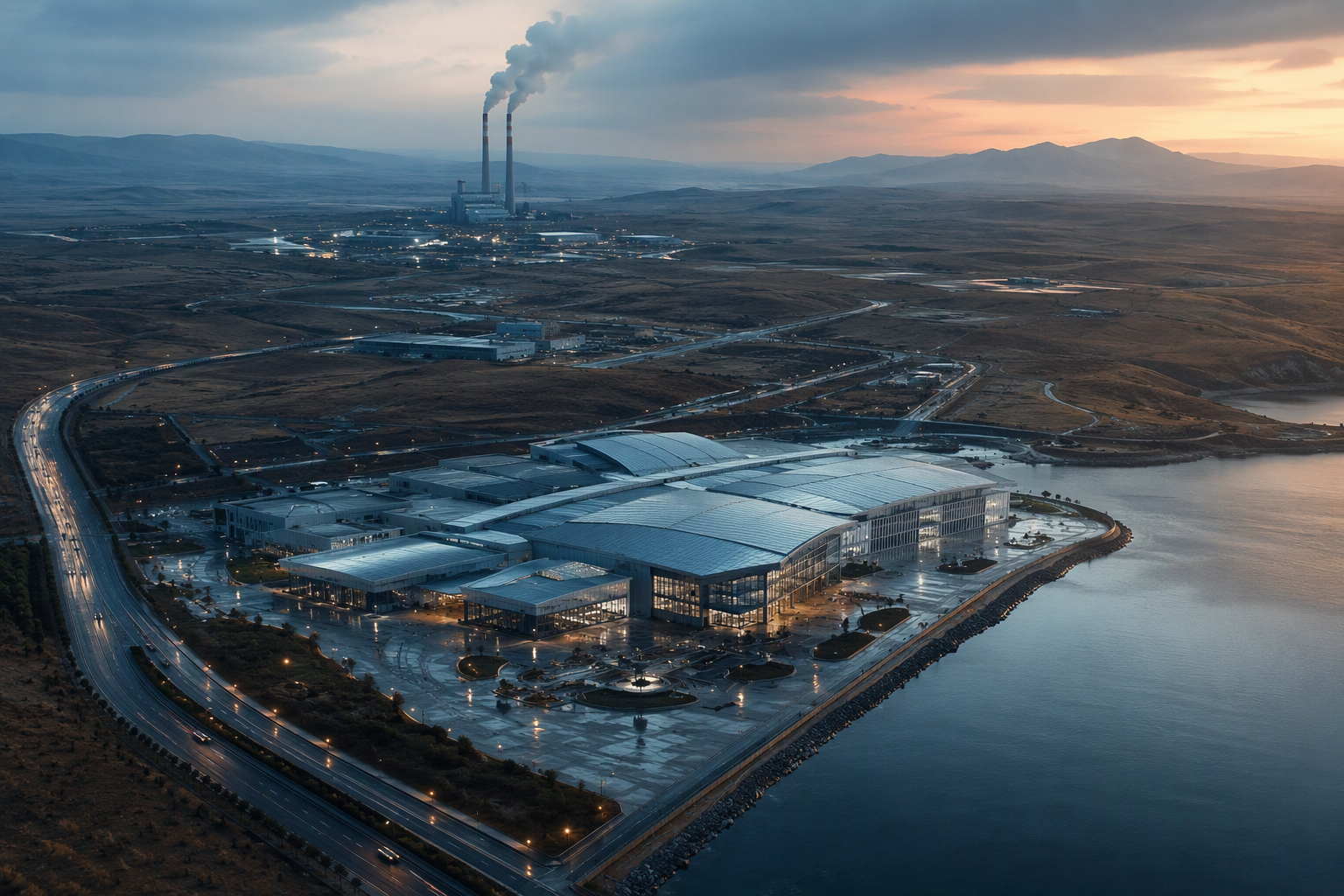
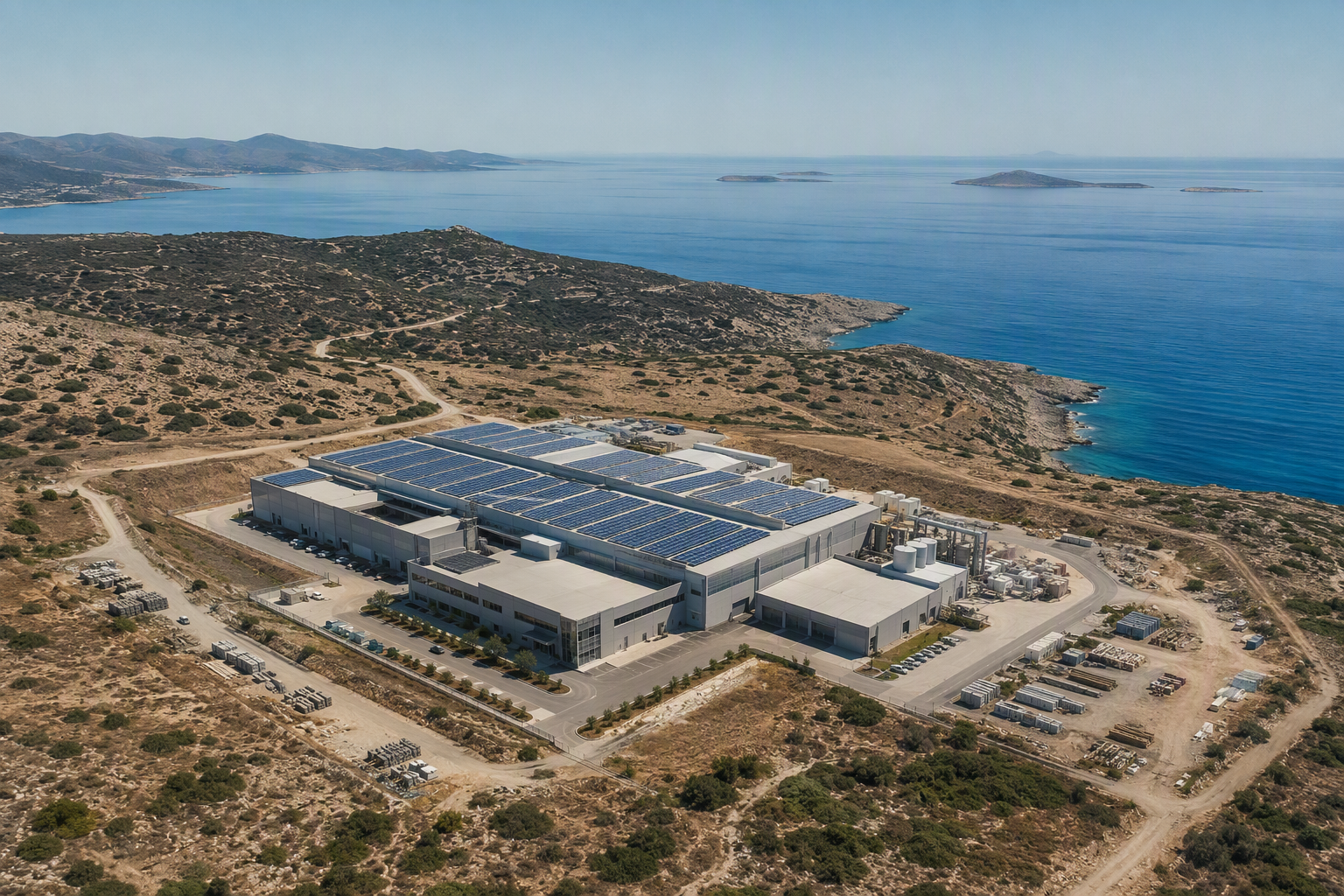
According to the Turkish Ministry of Environment, Urbanisation and Climate Change, Togg describes its Gemlik manufacturing base as fully digital and paperless. The company says it has infrastructure capable of monitoring and validating carbon-emissions data, and that artificial intelligence supports management of this process.
Togg further reports that the number of its vehicles in use is approaching 130,000. It attributes avoided carbon dioxide emissions of up to 600,000 tonnes to those vehicles.
Why it matters
The announcement links a vehicle maker’s climate ambition to manufacturing operations, emissions data and suppliers rather than to vehicle sales alone. For companies evaluating the claim, the relevant next question is how the 2035 objective will be translated into measurable actions across production and procurement.
Togg’s stated capability to track and validate emissions points to the importance of data systems in managing supply-chain decarbonisation. However, the ministry’s account does not provide a baseline, methodology for the avoided-emissions estimate, or interim milestones towards the 2035 objective.
What readers should watch
Manufacturers, suppliers and investors should look for future disclosure on interim targets, emissions coverage and progress at the Gemlik plant and across Togg’s supply chain. Such details would clarify how the company intends to assess delivery against its stated carbon-neutrality goal.
The COP31 presentation also places charging and digital services within Togg’s broader mobility proposition. The source does not specify further implementation dates beyond the 2035 target.