What happened
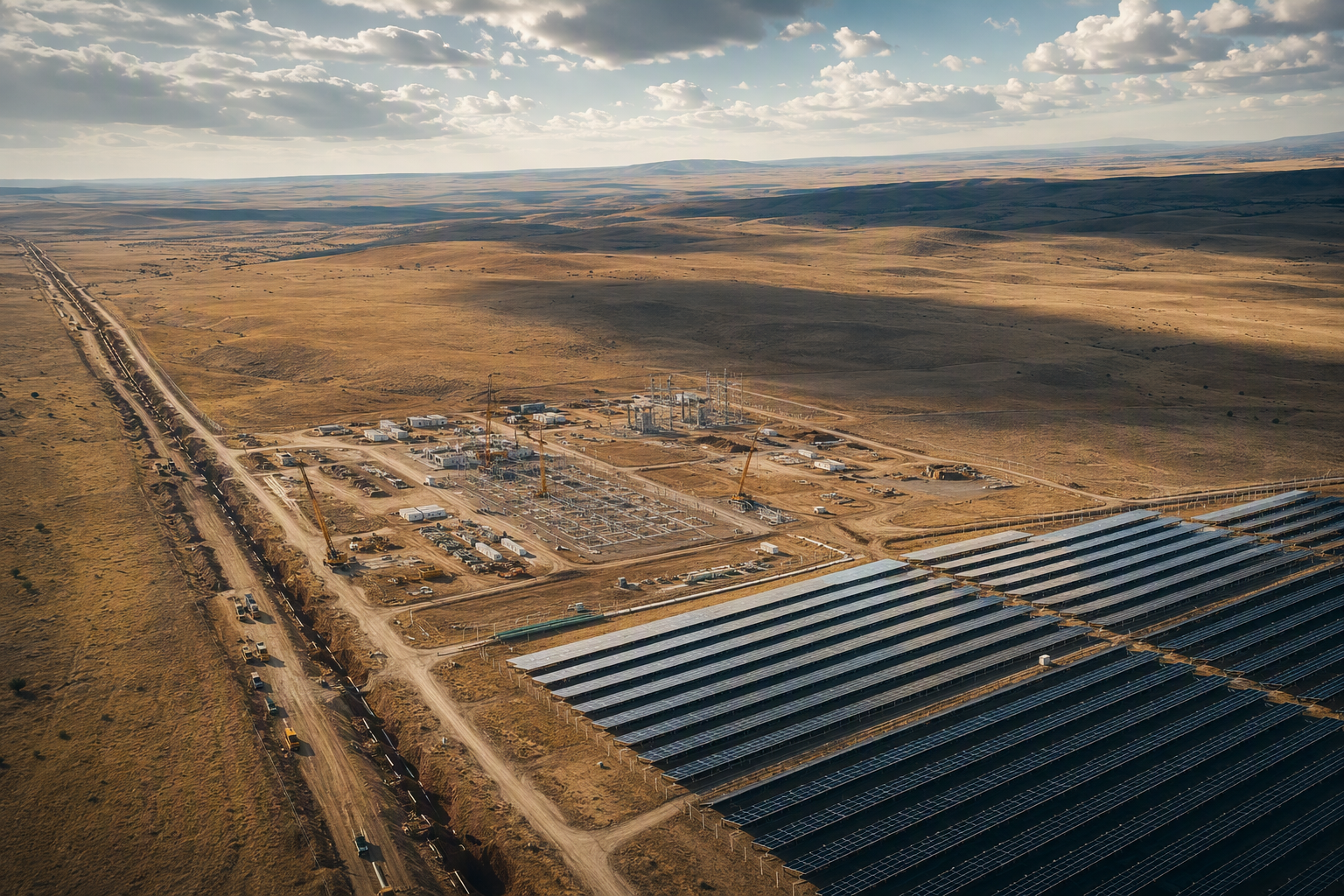
Turkey's solar power plants generated 5.4 terawatt-hours in July 2026, breaking the previous monthly record of 4.9TWh set in June, according to data from the Energy Markets Operator (EPİAŞ). Solar's share of total electricity generation reached 15.6%—the highest proportion for any July since records began. Wind contributed 12% of generation, bringing combined solar and wind output to 27.6% of the month's total supply.
Hydroelectric generation more than compensated for the solar peak: output rose 60% compared to July 2025 to reach 9TWh, marking the highest hydroelectric generation for any July on record. Hydro accounted for 26.3% of electricity generation. All renewable sources together (solar, wind, hydro and other) supplied 58% of Turkey's electricity in July, compared to 43% in the same month of 2025.
Fossil fuel generation contracted sharply. Natural gas fell to just 10% of the generation mix—the lowest share for any July in 26 years, down from approximately 25% a year prior. Imported coal rose to 19% after three months at lower levels, while domestic coal accounted for 12.5% of generation, close to 2026's average.
Why it matters
The renewable surge reflects Turkey's ability to meet rising summer cooling demand without relying on fossil fuels. July demand reached 34.4TWh, driven largely by air-conditioning use amid hot weather. Summer electricity demand climbed towards the prior year's 35.2TWh, yet was met predominantly by renewable sources rather than natural gas.
However, Çağlar Çeliköz, energy analyst at Ember, cautioned that the high renewable performance masks a structural challenge. Hydroelectric generation contributed 26 percentage points of the 58% renewable share, and this surge was driven by abundant rainfall. Türkiye remains exposed to long-term drought risk, meaning hydroelectric output could fall significantly in drier periods.
To offset potential hydroelectric shortfalls, Çeliköz argued that Turkey must expand solar and wind capacity through distributed rooftop solar installations, battery storage and hybrid power plants. Accelerating renewable deployment would strengthen energy security and reduce dependence on imported fuels, supporting Turkey's long-term energy independence.
Background
Turkey has seen rapid growth in renewable electricity capacity in recent years as part of its energy transition strategy. The country faces exposure to both drought cycles affecting hydroelectric generation and global commodity price volatility in fossil fuel imports. The July results demonstrate both the potential and the constraints of renewable energy in meeting summer peak demand.