What happened
On 22 August 2020, heavy rainfall triggered flooding and landslides across multiple districts in Giresun province, northern Turkey. The disaster proved particularly severe in Dereli, where 11 people died. Environment Minister Murat Kurum visited immediately after the disaster and remained in the region for 22 days to oversee recovery operations.
The reconstruction effort, coordinated through the public housing agency TOKİ, proved extensive. In Dereli alone, 213 residential units and 82 commercial shops were constructed alongside a courthouse, government building, police headquarters, and gendarmerie facilities with accommodation. Neighbouring Doğankent received 156 homes, 70 shops, a government building, and a 12-classroom school. All new structures were designed to reflect local and horizontal architectural styles, with keys distributed to eligible residents.
Residents recalled the intensity of the original disaster. Two months' worth of rainfall fell in 5–6 hours, according to local accounts. One resident described water continuously rising as the Aksu Stream overflowed, forcing families to flee for their lives. The scale of destruction prompted concern about whether reconstruction was feasible, with some observers initially sceptical.
Why it matters
The Dereli recovery demonstrates state capacity to rebuild after natural disaster within a compressed timeframe. Local residents reported markedly improved conditions six years after the flood, with newly reconstructed commercial and residential spaces facilitating economic resumption. Retailers noted they had operated continuously for six years in their new premises, with commercial activity and services—shops, cafes, restaurants—now functioning normally across the district.
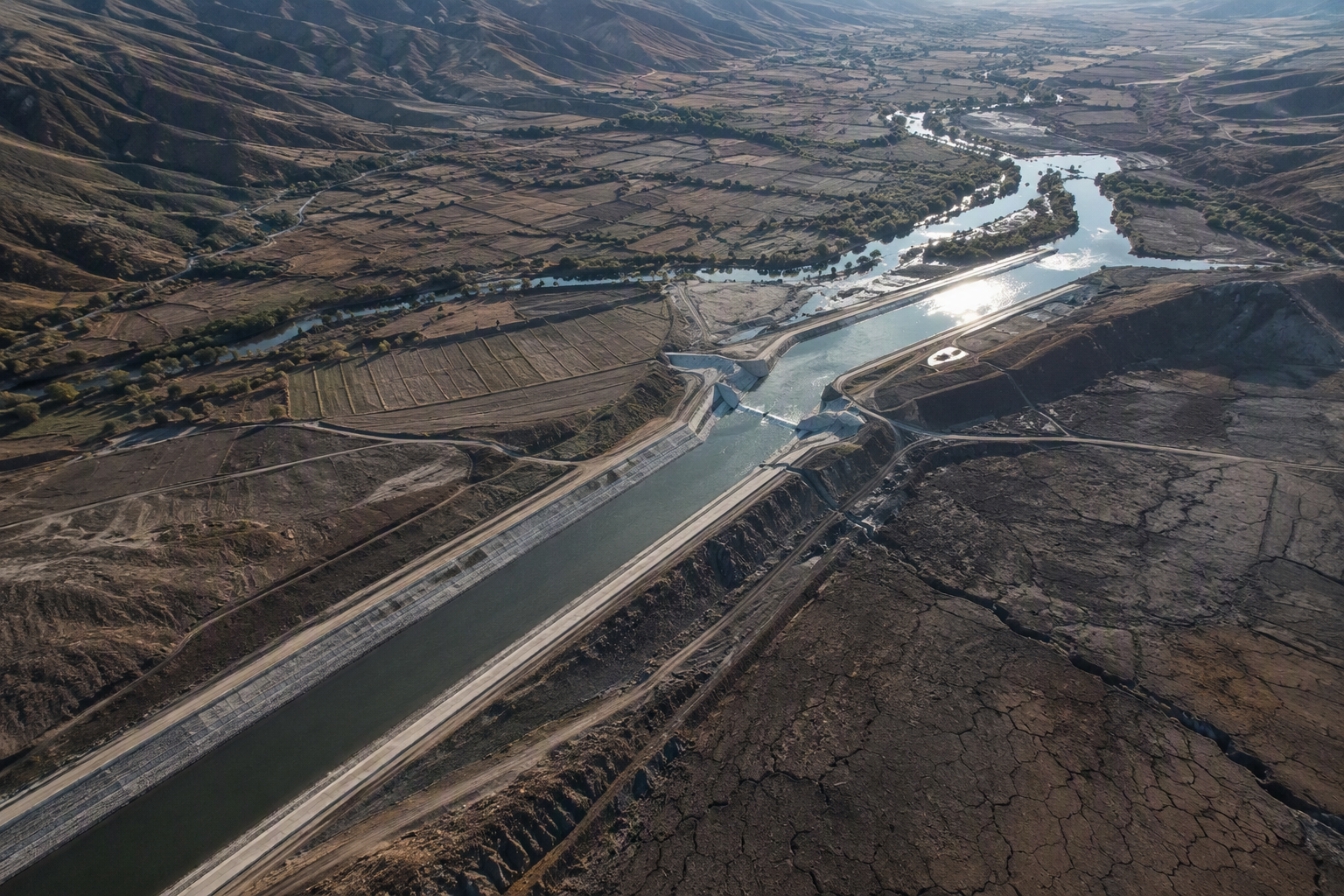
The reconstruction included significant flood mitigation infrastructure. Barriers were installed within the Aksu Stream itself to prevent future flooding, while water retention structures were constructed in surrounding villages. New buildings were designed with enhanced structural resilience, including deeper foundations to increase load-bearing capacity.
Government response and resident perspectives
Residents credited coordinated state action at multiple levels. President Recep Tayyip Erdoğan visited the area twice, with at least seven or eight ministers and senior bureaucrats present throughout the recovery effort. Residents described the psychological impact of sudden state presence and capacity: within 10 days of initial planning meetings, construction began. One shop owner contrasted their new 140-square-metre premises—double the size of the destroyed 50-year-old building—with the efficiency of reconstruction. Another resident stated: "If the state had not intervened, we would have had no chance of recovery."