What happened
Türkiye and Saudi Arabia have signed a memorandum on cooperation in electricity projects, providing the basis for a 5 GW renewable-energy programme that ACWA Power is expected to develop in Türkiye in two phases.
The signing took place in Antalya in the presence of President Recep Tayyip Erdoğan, according to Energy and Natural Resources Minister Alparslan Bayraktar. It builds on an intergovernmental agreement concluded in Riyadh on 3 February and brought into effect on 21 October.
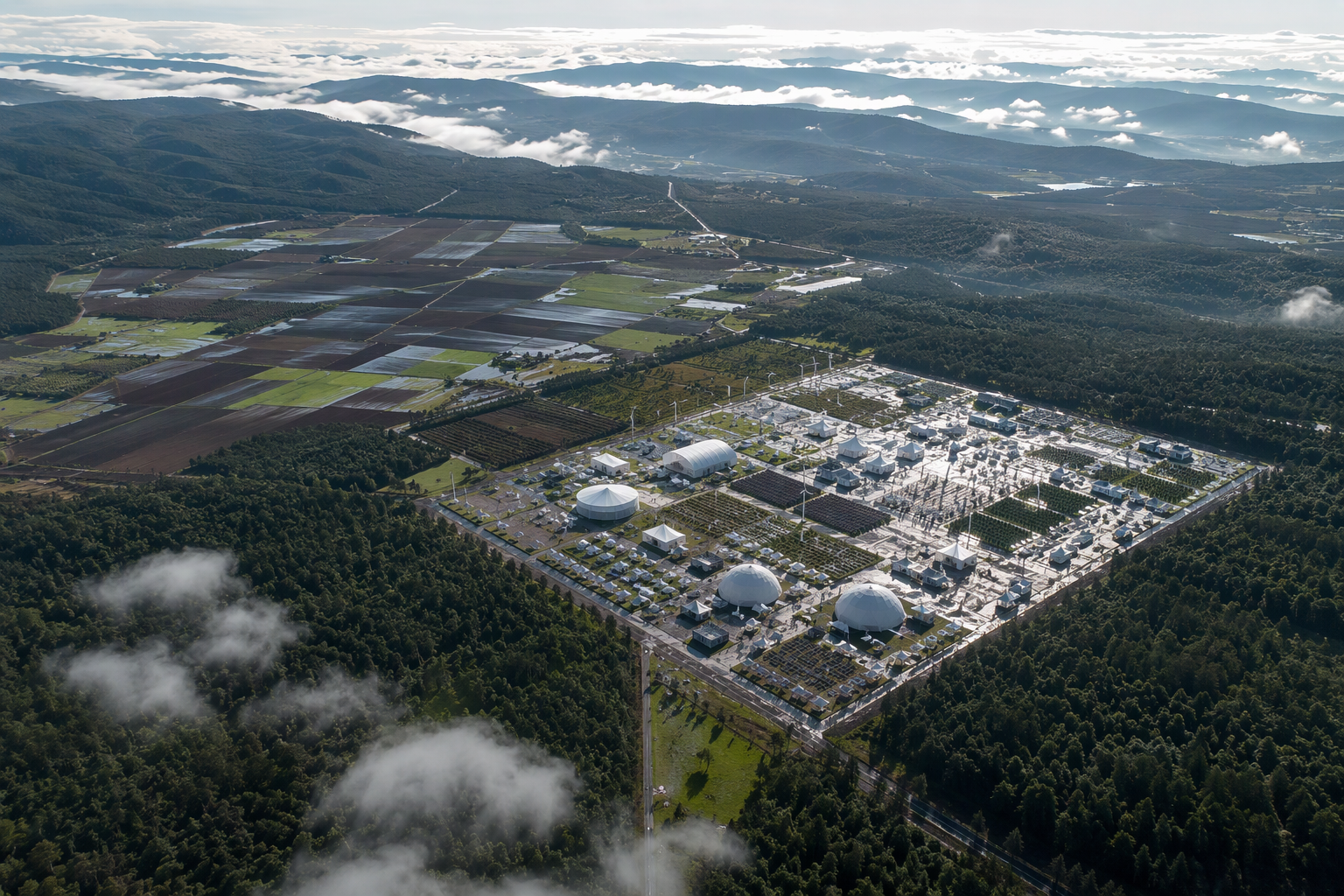
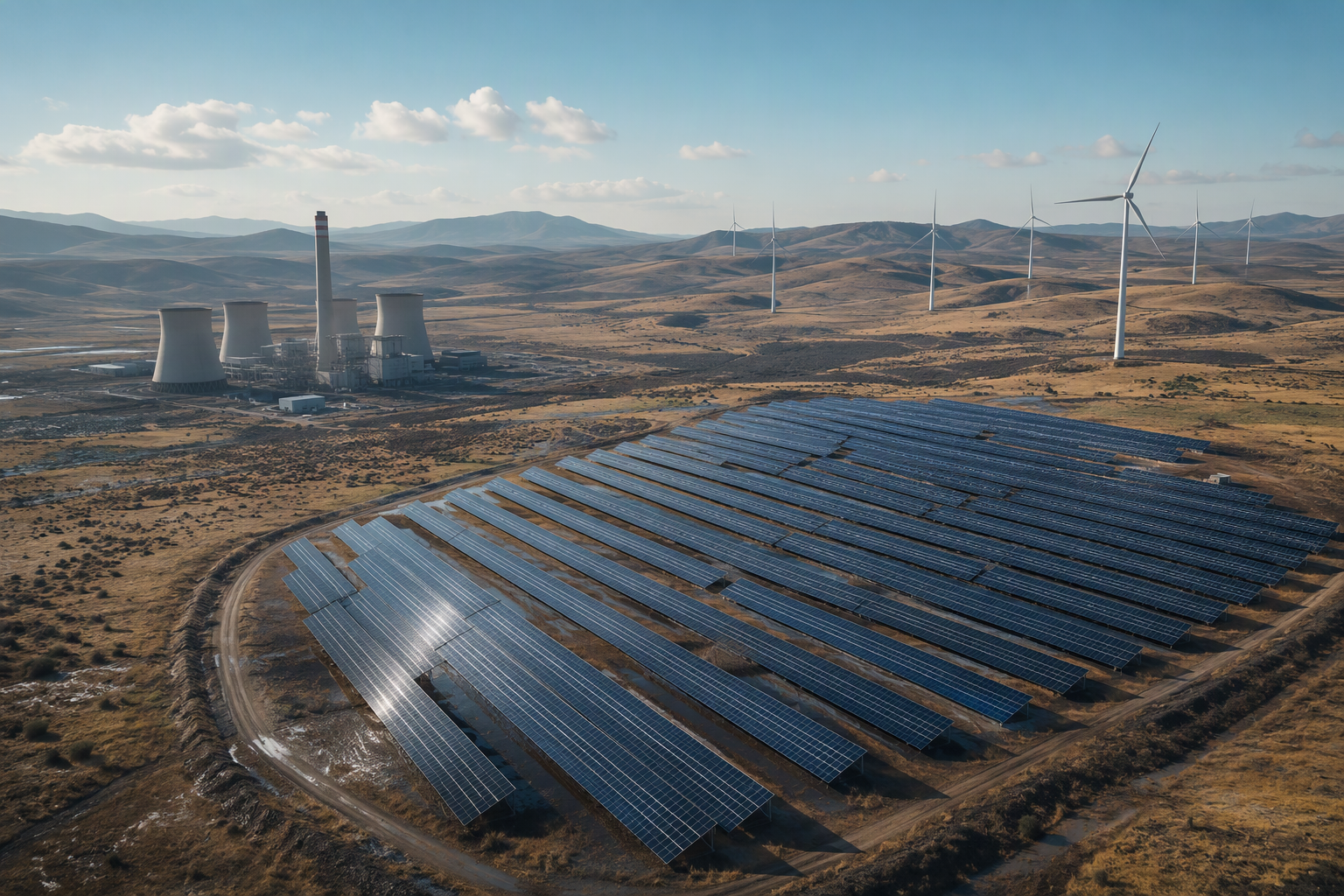
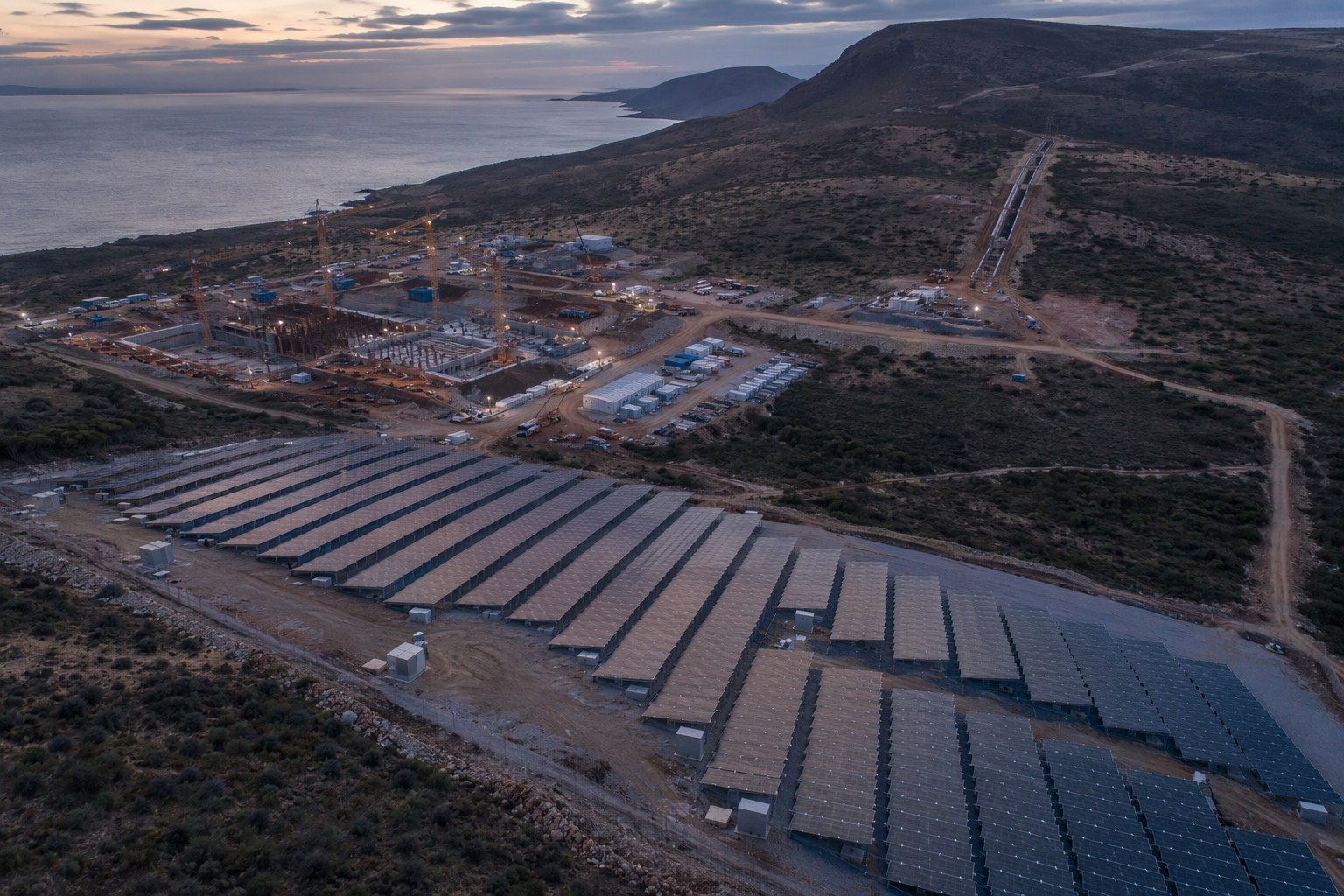
The first phase comprises 2 GW of solar developments in the provinces of Sivas and Karaman. Bayraktar said work on those projects had progressed. The memorandum moves work on the planned second phase forward.
Why it matters
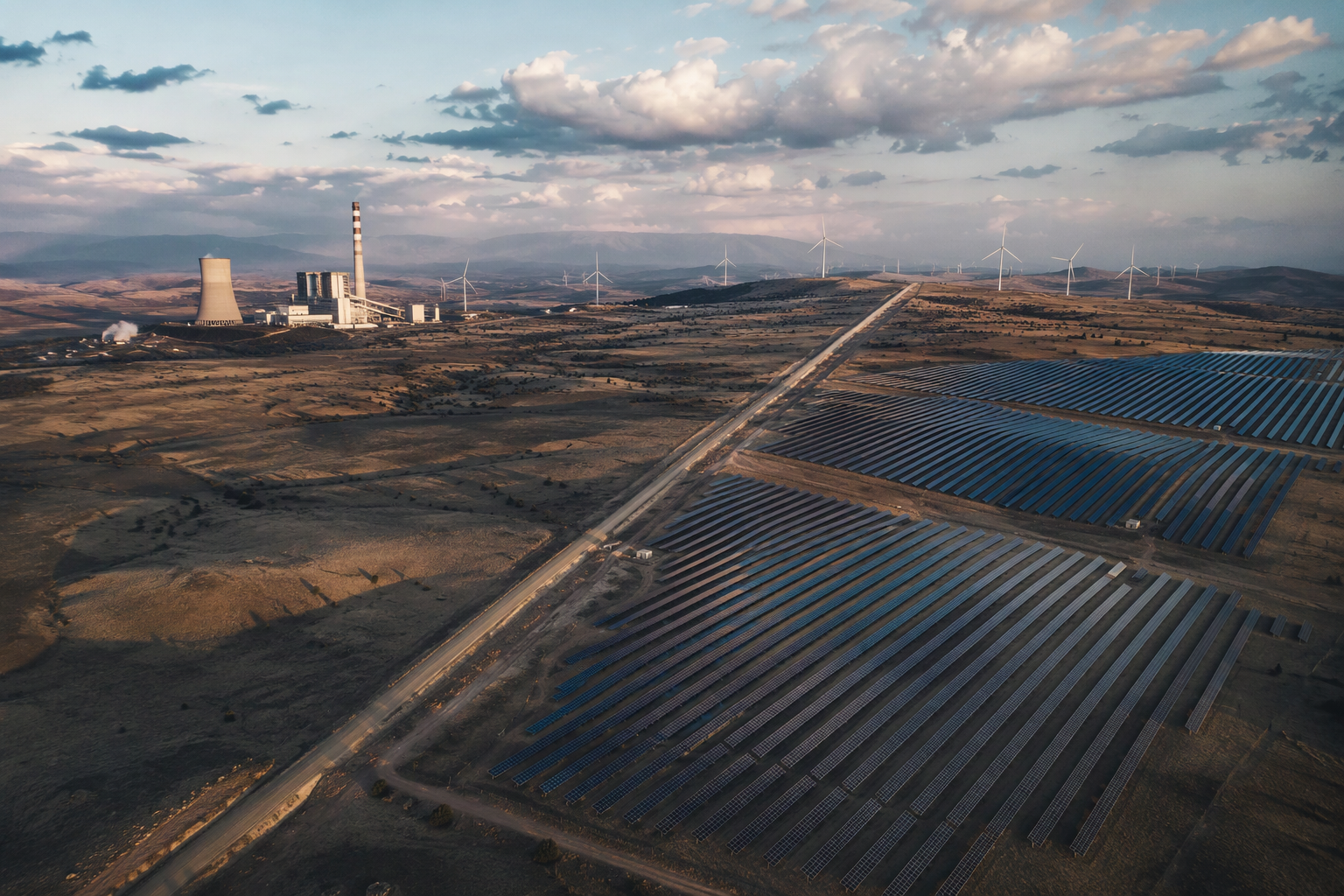
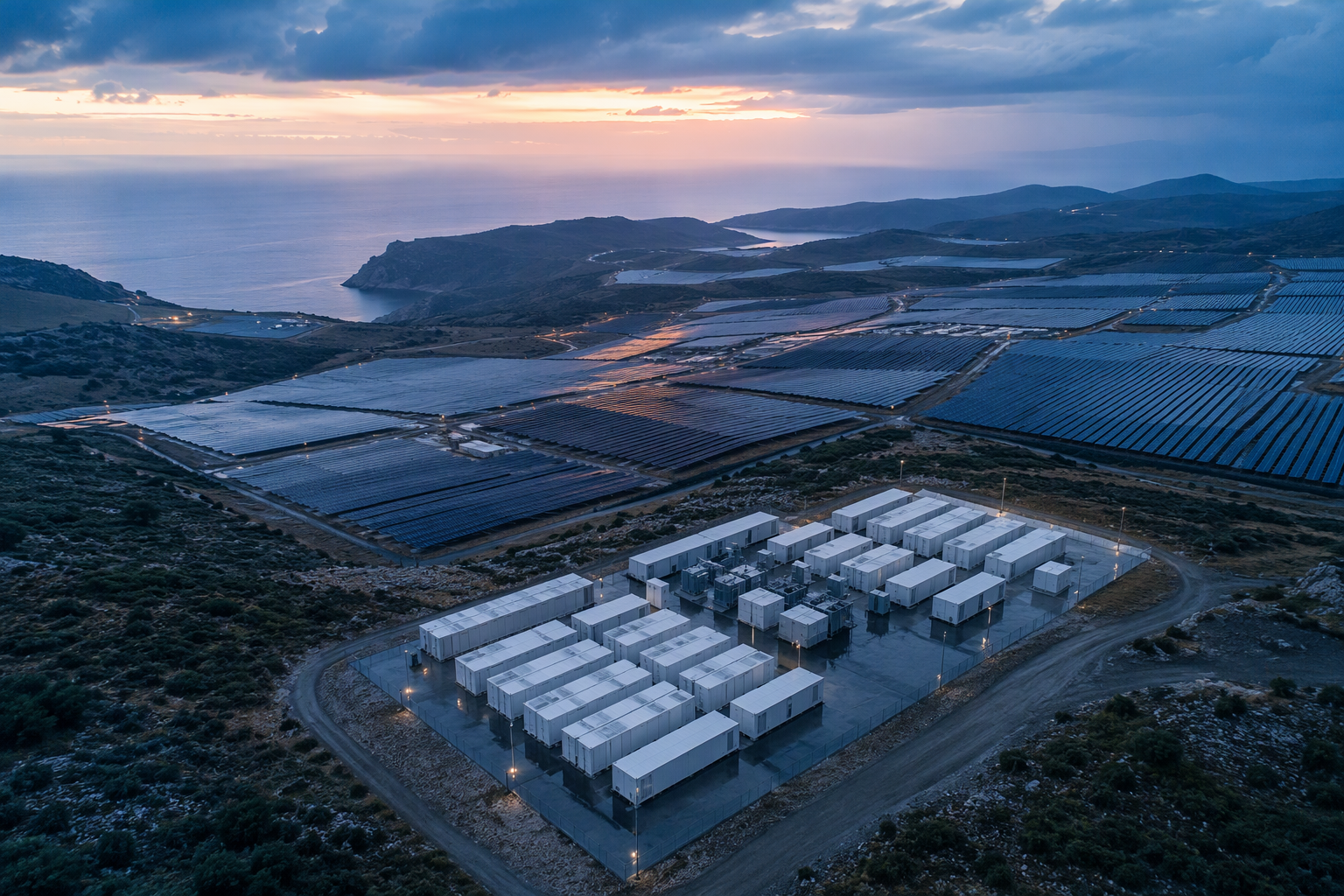
The second phase would add 3 GW to the proposed portfolio. It is intended to include wind power plants, with battery energy-storage systems and high-voltage direct-current, or HVDC, transmission infrastructure.
That combination places generation, storage and grid equipment within the same proposed investment programme. If delivered as described, the projects would add renewable capacity while supporting Türkiye’s transmission network and system flexibility. The arrangement also extends energy cooperation between Türkiye and Saudi Arabia through ACWA Power’s planned role.
For developers, suppliers and grid stakeholders, the relevant next step is to watch for further detail on the second-stage projects, particularly their locations, delivery schedule and procurement approach. None of those details were provided in the announcement.
What comes next
Authorities will continue work towards the additional 3 GW phase, according to Bayraktar. The source does not specify construction start dates, commissioning targets or individual sites for the wind, storage and HVDC elements.
The framework follows the earlier intergovernmental agreement and sets out the route for ACWA Power’s two-stage development plan rather than confirming that the full portfolio has entered construction.
Source: Dünya Enerji Konseyi Türk Milli Komitesi, citing Minister Alparslan Bayraktar.