What happened
An assessment by Enerji Günlüğü sets out a broader Türkiye-Azerbaijan energy agenda centred on existing oil and gas routes, potential Caspian supply additions, and new electricity interconnections.
The Baku-Tbilisi-Ceyhan oil pipeline and Baku-Tbilisi-Erzurum gas pipeline established the east-west corridor, followed by the Trans-Anatolian Natural Gas Pipeline, TANAP. TANAP has now transported 100 billion cubic metres of gas, according to the assessment.
It also identifies unused room on the Baku-Tbilisi-Ceyhan pipeline. Its stated capacity is one million barrels, compared with current use of roughly 600,000 barrels. The article proposes that Kazakh crude could help raise throughput. It also points to gas from Turkmenistan reaching the TANAP system through swap arrangements or a Trans-Caspian pipeline.
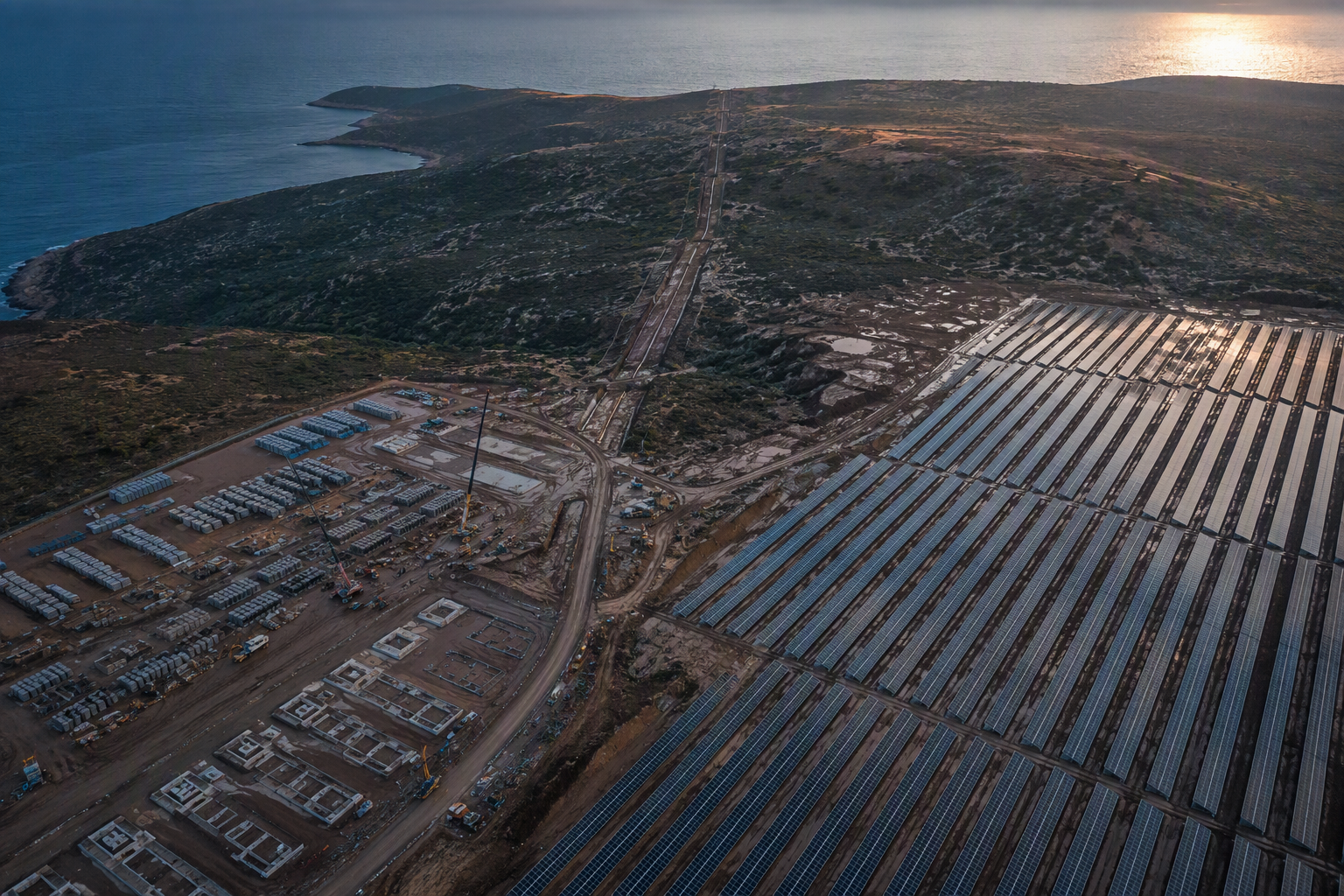
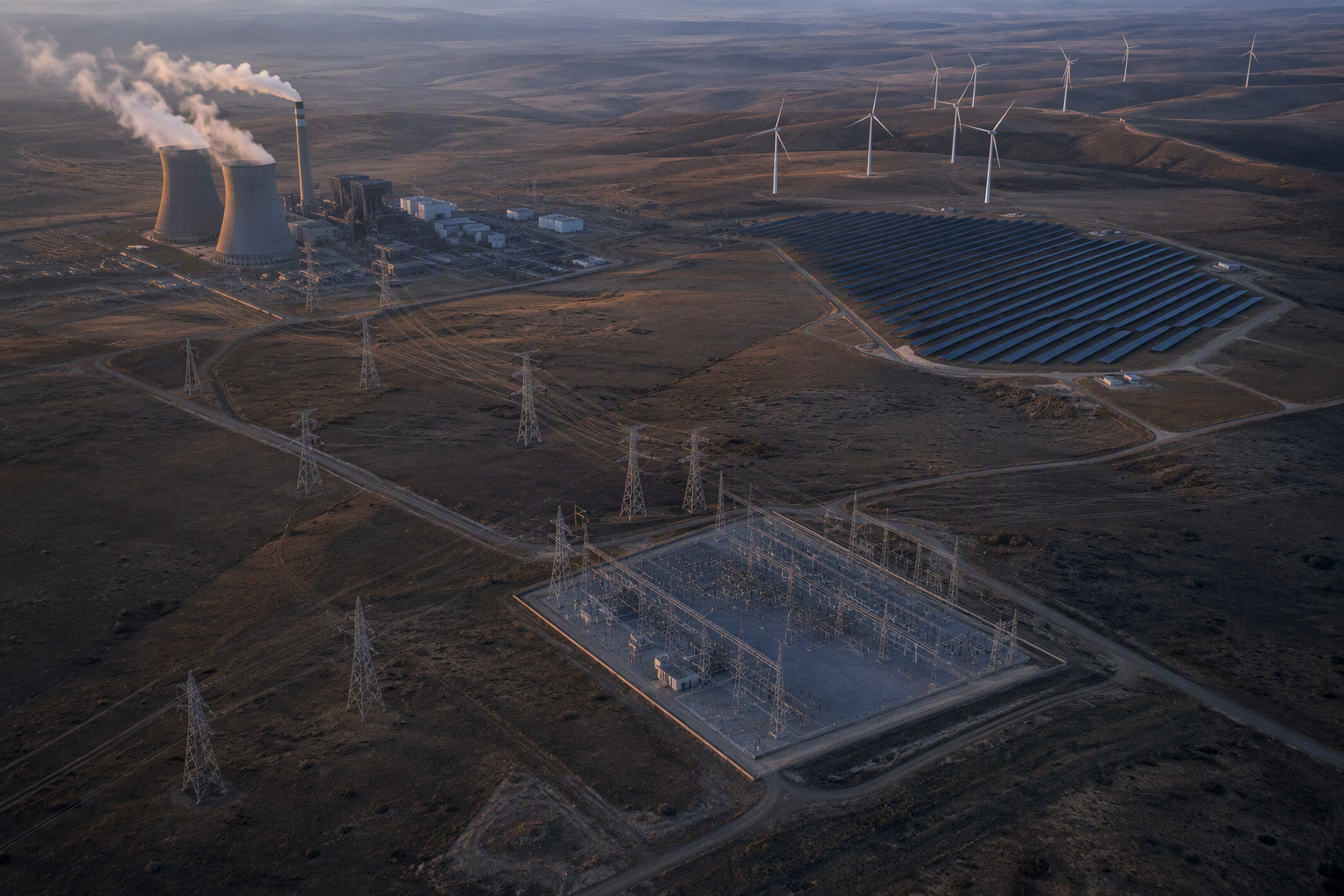
Electricity infrastructure is the next focus. The projects cited are a Nakhchivan-Türkiye transmission line, a four-country green energy corridor involving Türkiye, Georgia, Azerbaijan and Bulgaria, and a Black Sea subsea power cable intended to carry Caspian wind-generated electricity via Georgia towards Romania and Hungary.
Why it matters
For Türkiye, the projects could reinforce its role as a route and trading centre for energy moving between Central Asia, the Caucasus and European markets. Additional oil, gas and renewable electricity flows could also make greater use of existing transmission and pipeline infrastructure.
For European buyers, the proposed connections would add potential supply routes at a time when the article says Europe has sought to diversify its energy mix and reduce reliance on Russian gas following the Russia-Ukraine war.
The electricity proposals are also relevant to companies seeking lower-carbon power. Azerbaijan has designated Karabakh and Eastern Zangezur as green energy zones, and the article highlights wind resources in the Caspian Sea alongside regional hydropower potential. Clean-electricity trade could support industrial energy procurement in markets affected by the EU’s green policy framework and carbon-border measures.
Background
The partnership’s pipeline network has been developed since the second half of the 1990s. Its original focus was oil and gas transport. The latest agenda described by Enerji Günlüğü extends this model to electricity grids, renewable generation, nuclear technologies and resources from across the Caspian.
The assessment also links future energy infrastructure to the proposed Zangezur Corridor, which it says could create a more direct connection between Central Asia, Anatolia and Mediterranean export routes.
What's next
No construction timetable, financing plan or binding project commitments are provided. Progress will depend on whether the proposed transmission links and Caspian-crossing oil and gas arrangements move from strategic concepts to implemented projects.