What happened
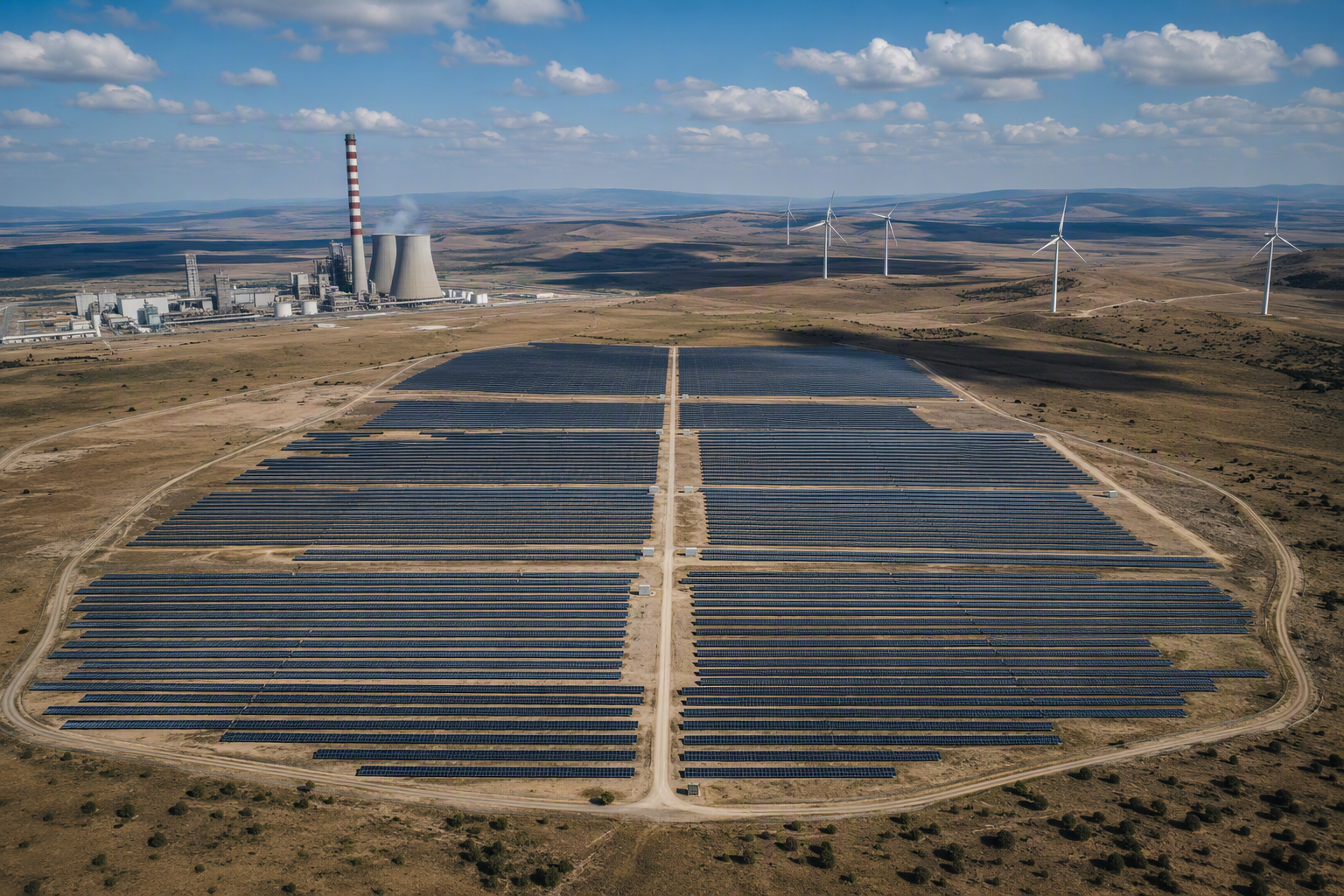
Türkiye generated 442.2 TWh of electricity from wind and solar across 2015 to 2025, according to Energy and Natural Resources Ministry data reported by Enerji Günlüğü.
The ministry estimated that producing an equivalent volume with imported coal would have entailed $21.5 billion in coal imports. It placed the comparable imported-gas cost at $43.3 billion. These are alternative-fuel comparisons, rather than reported savings from a specific procurement or dispatch calculation.
For readers assessing the figures, the next step is to distinguish the reported renewable output from the ministry’s counterfactual estimates for fuel imports and emissions.
Why it matters
The reported generation total illustrates the scale at which domestic renewable electricity can be compared with imported fossil-fuel supply in Türkiye’s power system. The coal and gas benchmarks also produce materially different emissions results, underlining the importance of the assumed displaced generation source.
Using coal as the comparison, the ministry estimated that the 442.2 TWh of wind and solar output prevented roughly 354 million tonnes of carbon dioxide emissions. On a natural-gas basis, it estimated avoided emissions at about 177 million tonnes.
For energy buyers, investors and policymakers, the figures provide a ministry-led indication of how expanded wind and solar generation is being linked to lower reliance on imported fuels. They should not be read as a single measured outcome independent of the fuel assumptions used in the comparison.
Earlier generation data
For 2015 alone, the ministry data cited generation of 11,847 GWh from wind and solar. It associated that output with replacing electricity that could otherwise have been produced using about $300 million of imported coal, alongside an estimated 9.5 million tonnes of avoided carbon dioxide emissions.
What comes next
Energy Minister Alparslan Bayraktar said Türkiye aims to reach 120,000 MW of installed renewable capacity by 2035. He linked the expansion of renewable resources to the country’s goals of net-zero emissions by 2053 and full energy independence.