What happened
Bain & Company’s assessment of Türkiye’s net-zero transition puts total investment needs at above $500 billion by 2053. It argues that the central task has moved beyond adding clean generation towards cutting and electrifying energy demand in industry, transport and buildings, while integrating more renewables into the power system.
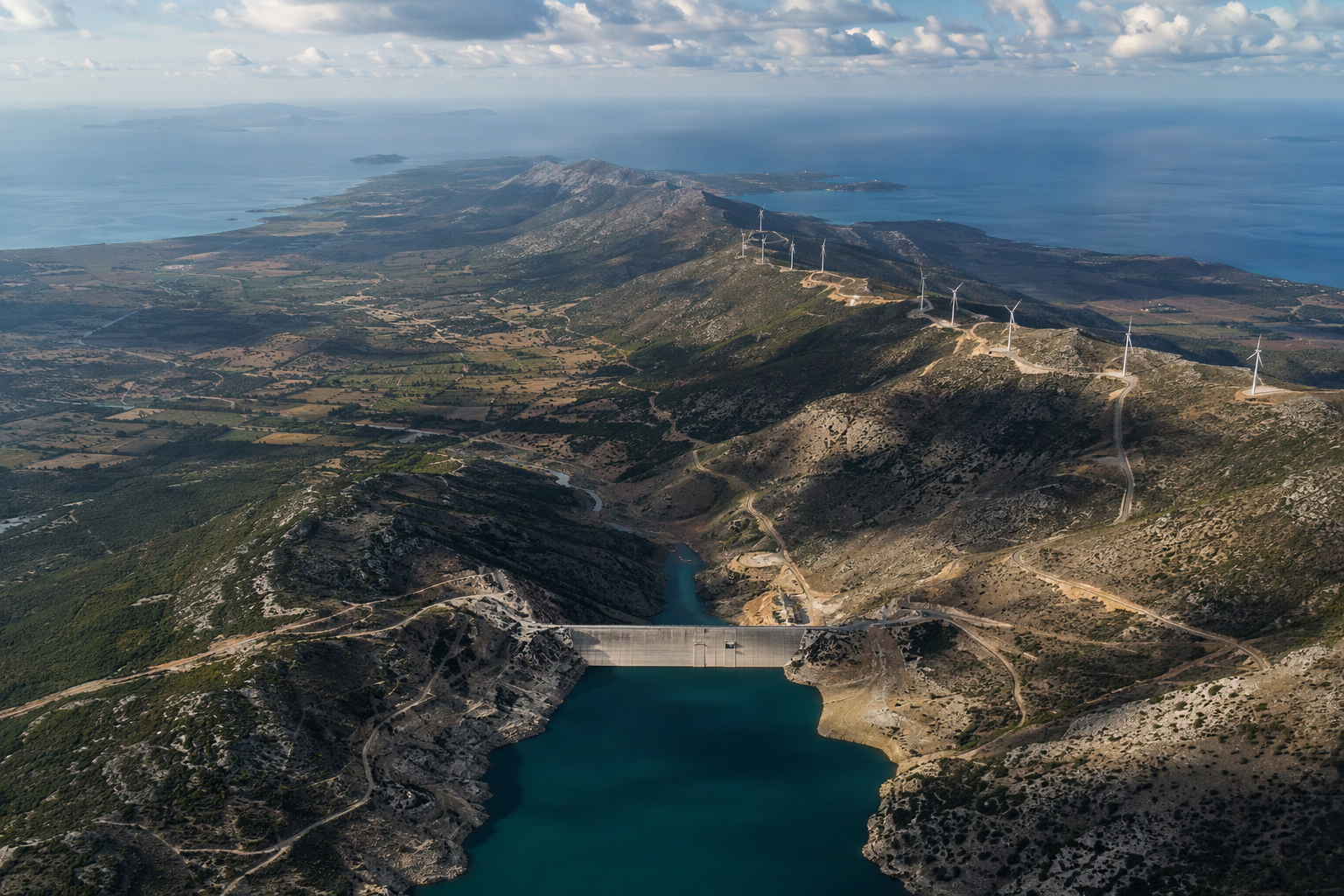
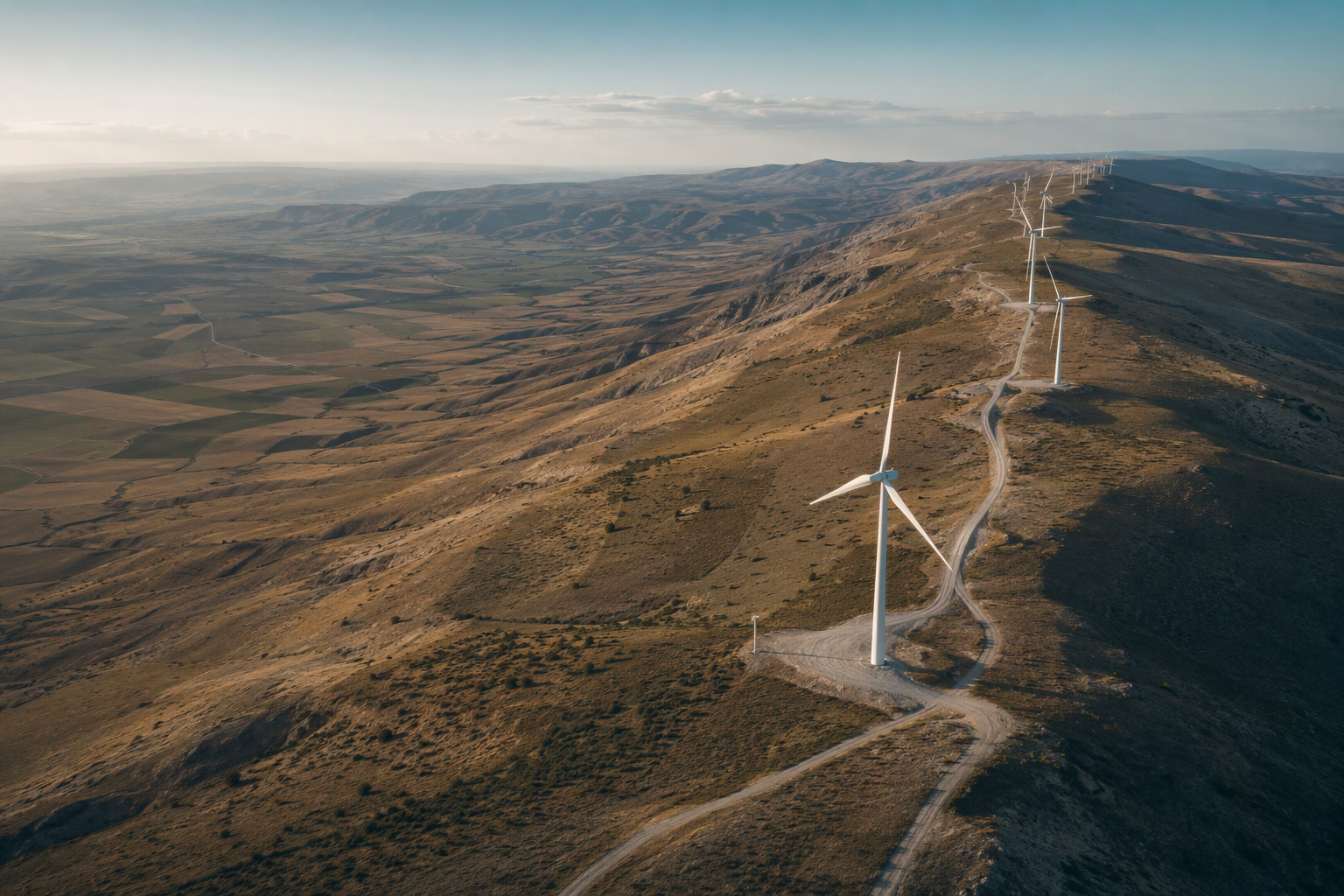
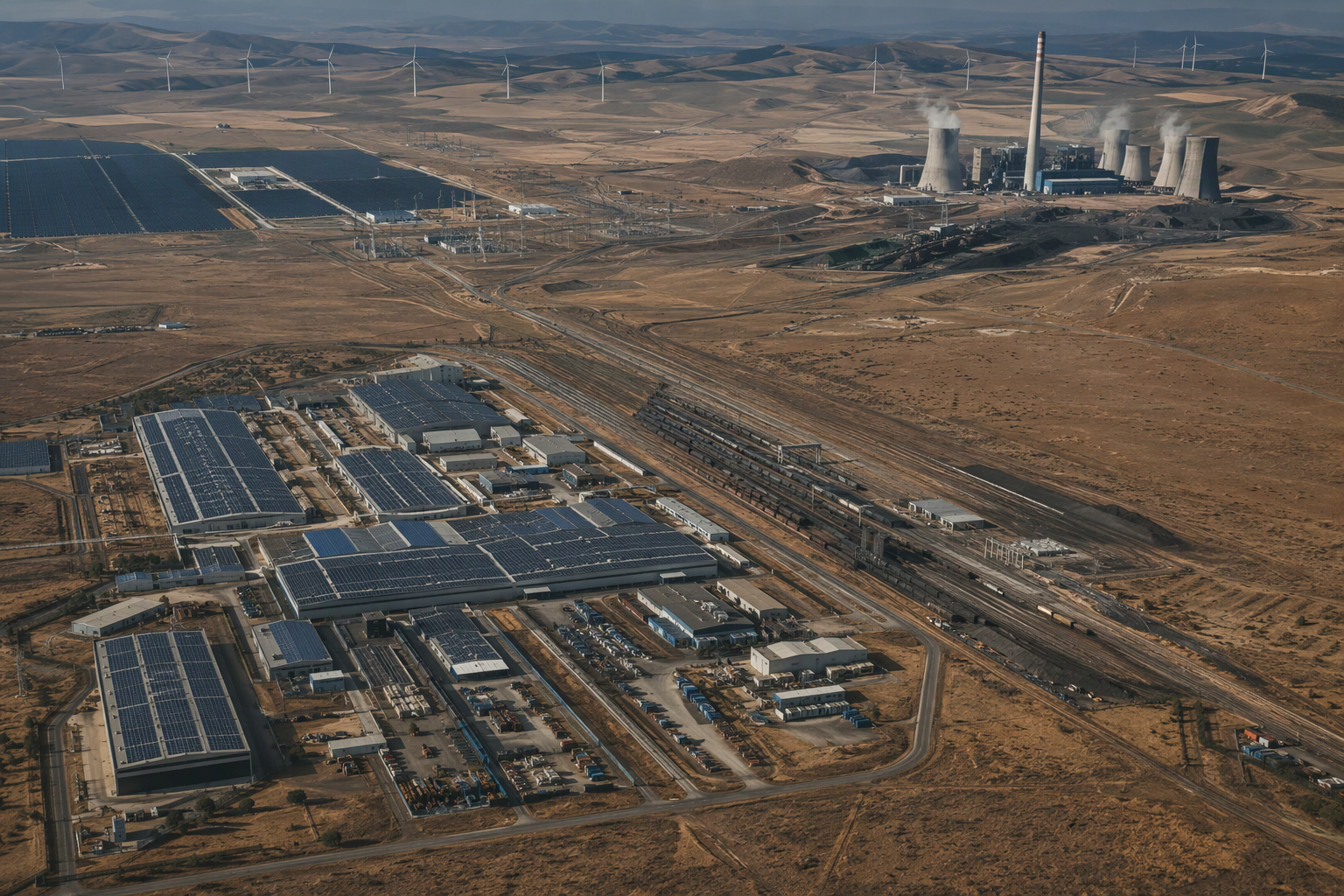
Renewables have expanded rapidly over the past decade and now represent about 62% of installed electricity capacity. Wind and solar growth displaced around 28 TWh of gas-fired output. However, coal generation increased by about 32 TWh to meet rising demand, leaving overall fossil-fuel generation broadly unchanged.
Of the total investment requirement, energy-sector spending is estimated at $210 billion to $270 billion. The report places the needs for buildings at $80 billion to $200 billion, industry at $70 billion to $80 billion, road transport at $35 billion to $50 billion, and agriculture at $25 billion to $40 billion.
Why it matters
Industry, transport and homes account for about 80% of Türkiye’s energy use. For businesses, the report identifies access to finance as a greater barrier than technology availability. Many projects rely on savings rather than new revenue, have payback periods longer than local loan terms, and require equipment priced in foreign currencies.
The issue is particularly relevant for manufacturers selling into the EU, which receives about 43% of Türkiye’s exports. The report says decarbonisation should be treated as a competitiveness issue, not only as compliance with the EU Carbon Border Adjustment Mechanism. Its effects will be concentrated in selected products and production assets rather than across all imports.
Energy dependence also raises the economic stakes. Türkiye covered about 69% of its energy needs through net imports in 2025, producing a net energy trade deficit of about $47 billion. Replacing imported fossil fuels with domestic energy or efficiency measures could improve the external balance.
Background
Grid access and storage are identified as constraints on renewable integration. Around 33 GW of battery capacity has been allocated to wind and solar projects, but installed battery capacity was estimated at only about 50 MW in 2025. Much of the project pipeline provides roughly one hour of storage, limiting its ability to shift energy over longer periods.
In homes, natural gas supplies about 54% of energy consumption and heating represents about 63% of household demand. The report identifies urban renewal as an opportunity, while warning that continued installation of gas systems in rebuilt properties could slow the shift.
What's next
Wind and solar capacity additions reached 6.8 GW in 2025, below the 8 GW to 9 GW annual rate the report says is needed to meet 2035 goals. Fully electric cars represented 17.8% of new registrations in the first half of 2026, but only 2.5% of the total vehicle fleet.
The report is due to be presented in connection with COP31 in Antalya. It identifies carbon pricing and tax policy, the cost of electricity relative to the fuel it replaces, and project bankability as the three factors expected to determine the pace of the transition to 2053.