What happened
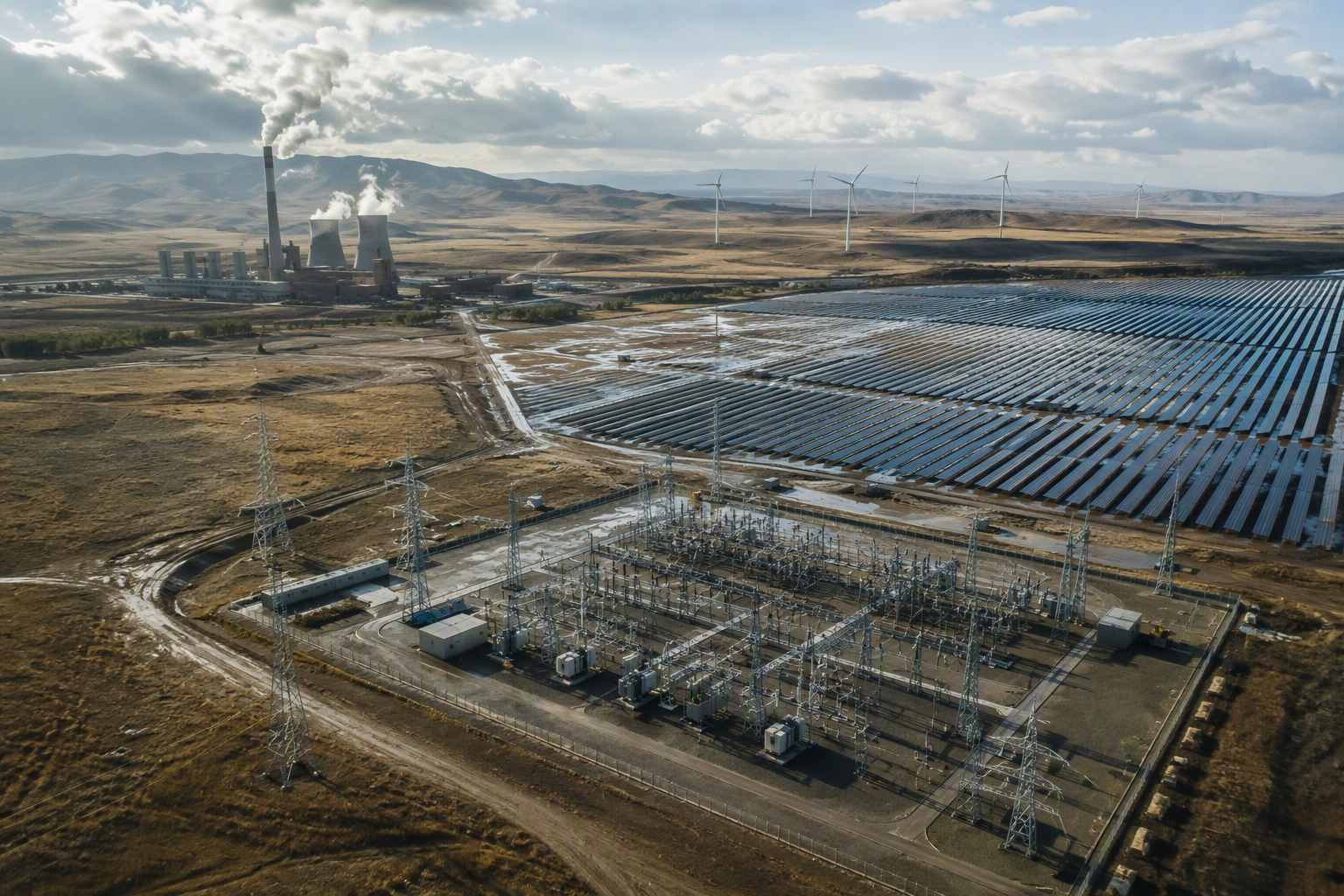
Digital technologies are becoming more closely tied to the energy transition as distributed renewables and electrification add complexity to power systems. Their role includes coordinating generation, networks, market information and consumption data.
EkoIQ says COP31, due to take place in Türkiye in November, is likely to give greater prominence to digital infrastructure. Areas expected to feature include smart grids, emissions measurement, energy management supported by artificial intelligence and the incorporation of circular-economy processes.
The technologies cited include artificial intelligence, machine learning, the internet of things, large-scale data analysis, digital twins, advanced grid-management tools and cloud systems. They can support forecasting of variable renewable output, fault detection, real-time balancing and the connection of electric vehicles and battery storage.
Why it matters
For Türkiye, digitalisation is presented as a means of supporting its 2053 net-zero emissions objective, rather than only an operational upgrade. Grid investment needs to progress alongside renewable capacity, efficiency improvements and electrification.
Businesses operating in electricity distribution, storage, data centres and energy services may face demand for interoperable data systems, smart meters and sensors. The same transition increases exposure to cyber risks as more connected devices and distributed assets join the electricity system.
SHURA’s 2022 assessment identified seven business-model groups enabled by the shift: supply and demand aggregation, virtual power plants, peer-to-peer trading, energy as a service, energy service companies, pay-per-use arrangements and shared community ownership.
Background
Digital climate action has been gaining international attention. The Green Digital Action initiative was launched under the International Telecommunication Union at COP28, and the Green Digital Action Declaration was adopted at COP29. The initiatives address lower digital-sector emissions, early-warning capabilities and data-led climate solutions.
What's next
The article identifies priorities for Türkiye’s energy system: modernising grids; expanding smart-grid and microgrid solutions; setting common data formats; and introducing security testing, certification and minimum standards for connected meters and grid devices.
It also calls for energy data to be securely stored and processed within the country, and for data-centre planning to consider proximity to renewable energy, battery storage and flexible demand. The proposed 2030 perspective for data-centre investment includes assessing whether batteries can provide frequency support to the grid.