What happened
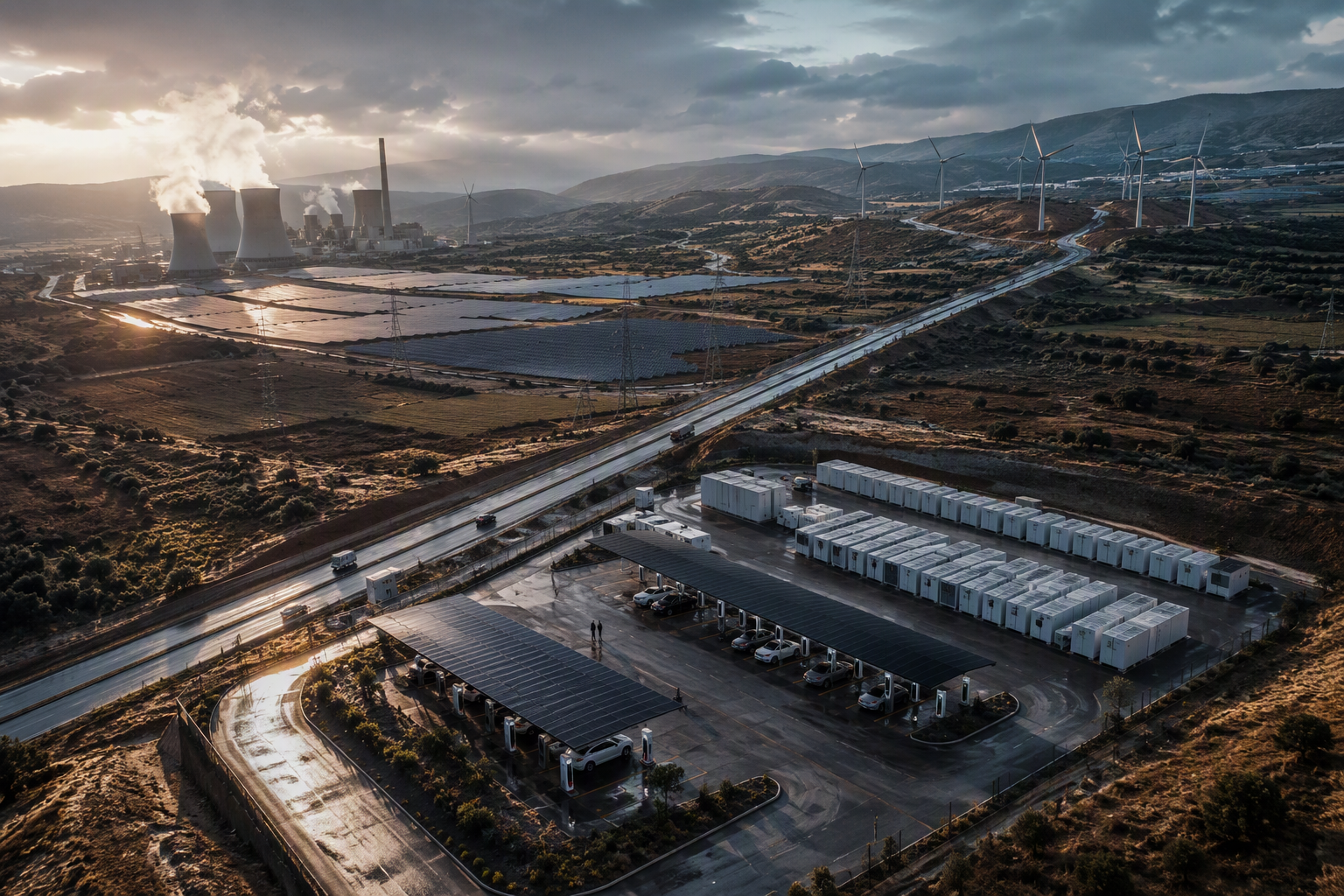
Türkiye’s electricity system is gaining a new demand segment as electric transport expands. Energy regulator EPDK data cited by ICCI show that the country had 464,873 fully electric vehicles and 46,665 charging points in July 2026. Charging stations processed about 3.33 million sessions that month, with 65% taking place at stations holding YEK-G renewable-energy certificates.
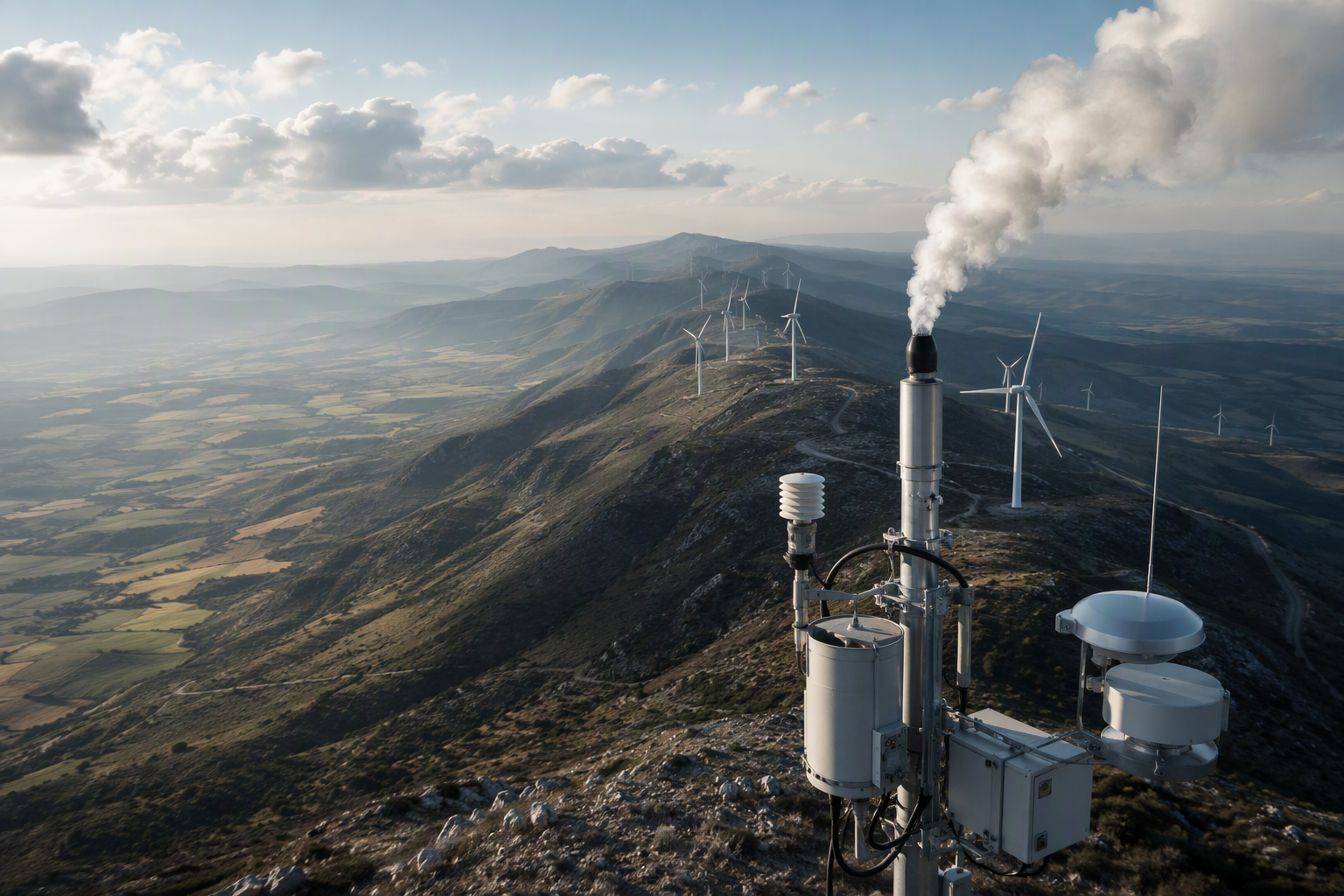
ICCI argues that power-system investment is shifting beyond the construction of new generation. The timing of output, the ability to store electricity and the management of network flows are becoming more important as solar, batteries and electric-vehicle charging grow.
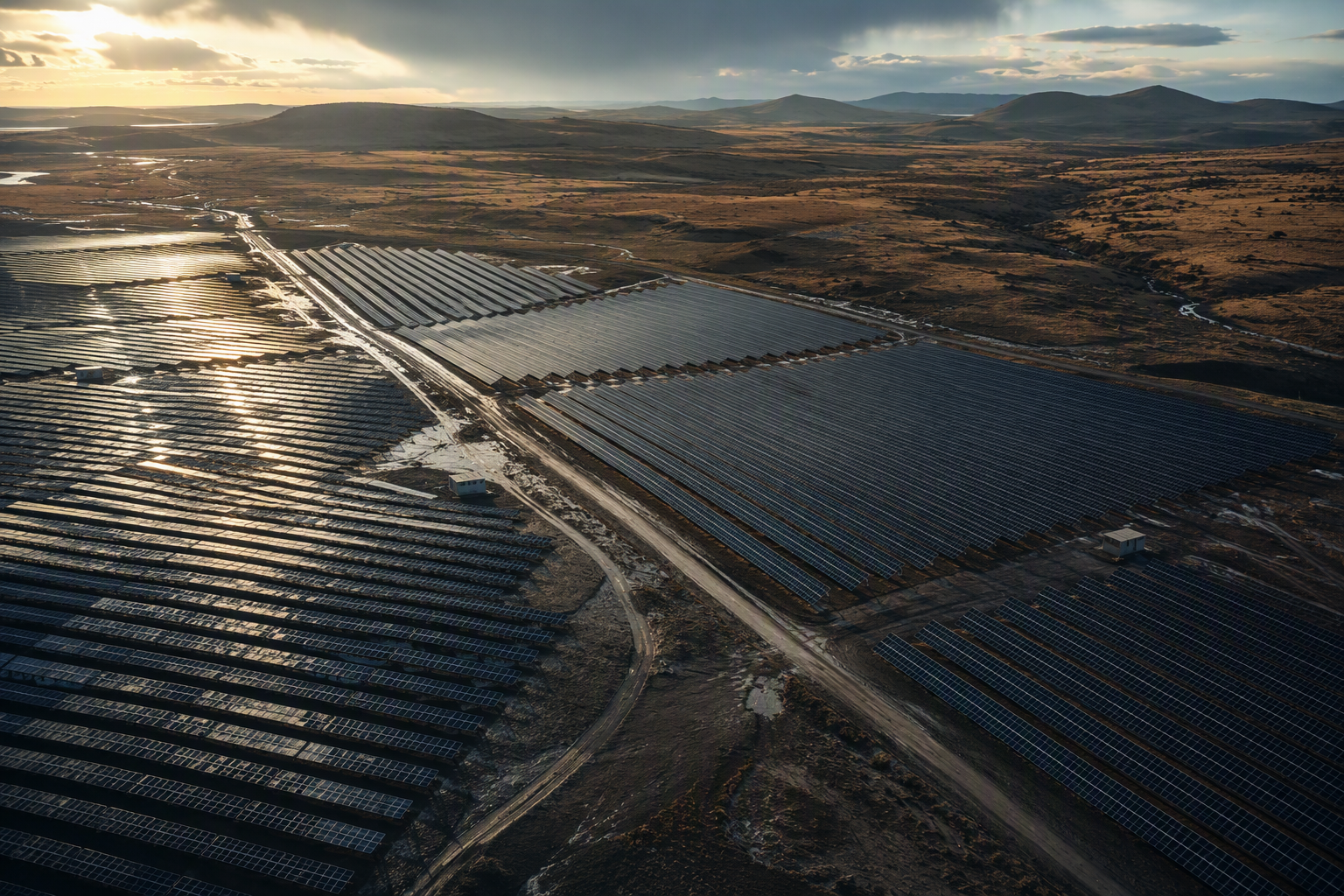
The organisation points to European power markets during 1 June to 15 August 2026. Across ten systems with comparable hydro and solar data, hydroelectric production fell to 31.65 TWh, its lowest level for the previous seven summers, while solar output reached 84.44 TWh. Drought constrained hydropower in some markets, increasing solar’s role in the supply mix.
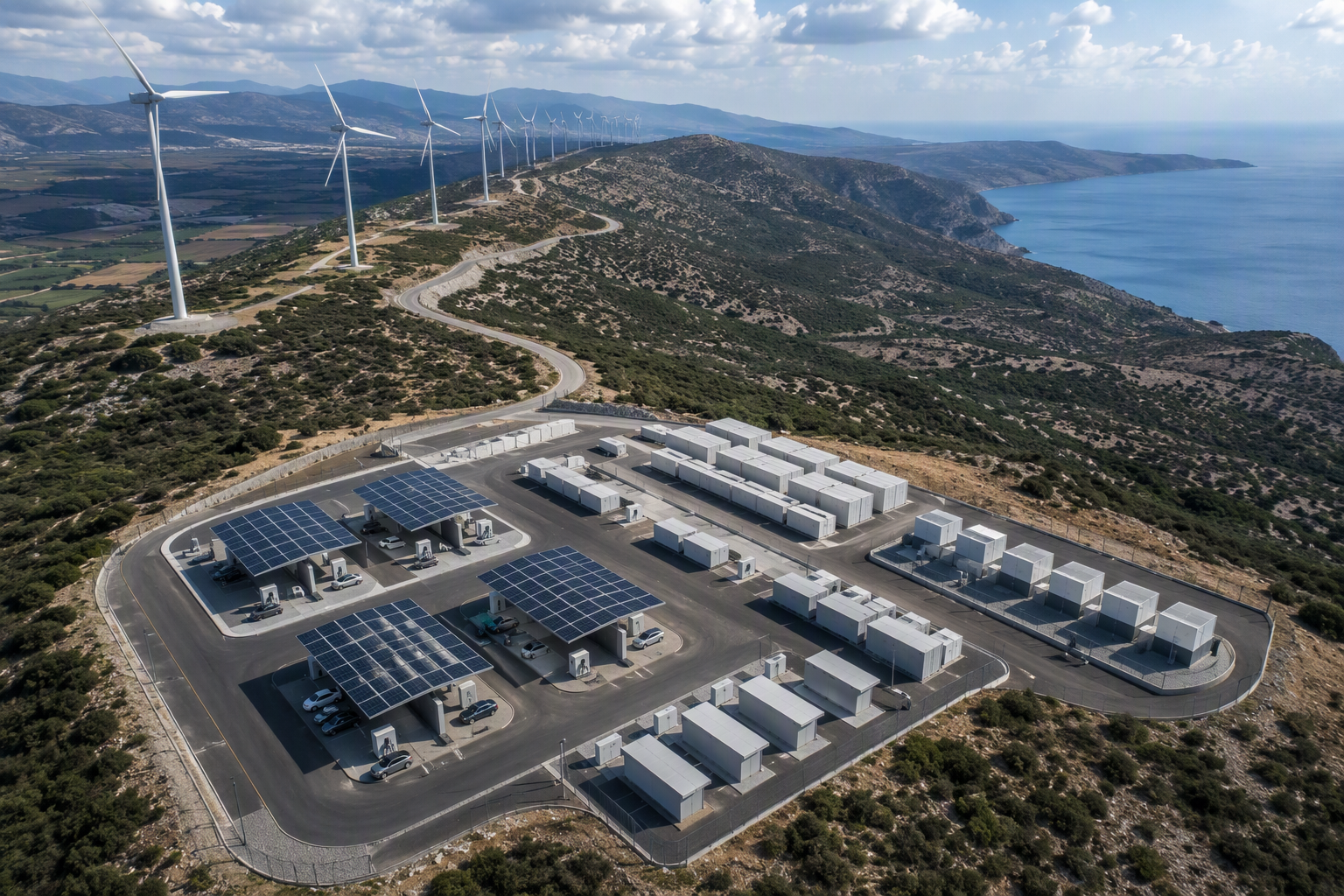
Austria’s Economy and Energy Ministry is considering a broader solar-support approach that includes storage, energy management and grid integration. Initial findings from a ministry-commissioned study indicate that up to 8 GW of market-based battery capacity could be economically beneficial by 2030. ICCI notes that this is an estimate of potential, rather than a confirmed national target.
Why it matters
For Turkish businesses, the growth of electric mobility creates investment requirements across charging equipment, transformers, power electronics, batteries, distribution networks and energy-management software. High-power direct-current charging and the future uptake of electric heavy vehicles will require distribution planning that reflects new demand patterns.
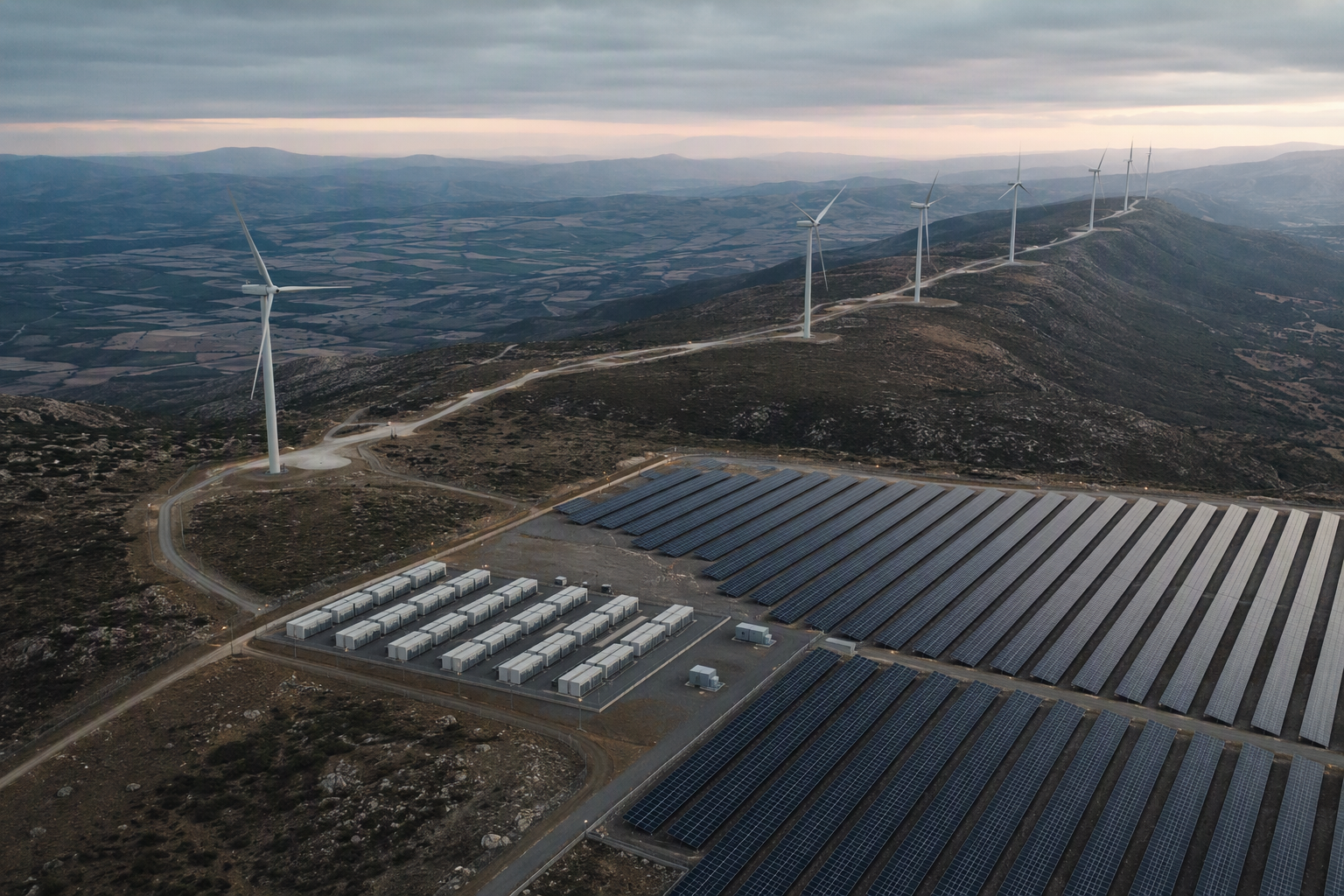
Storage can help move solar generation from periods of high output to hours when demand is higher. ICCI also highlights operating changes for reservoir hydropower and pumped-storage plants, which can shift their activity around solar generation patterns. These developments make flexibility a central consideration for developers, network operators and industrial electricity users.
Hybrid projects offer another route. ASUNIM has commissioned a 7.79 MWp auxiliary solar project at Akenerji’s 904 MW natural-gas combined-cycle plant in Erzin. The company says it has delivered more than 150 MW of hybrid solar projects integrated with wind, hydro and gas facilities.
Background
Battery manufacturing is also scaling up, although the market remains competitive. LG Energy Solution has begun production at its Lansing facility in Michigan, which is intended to exceed 35 GWh of annual capacity when fully operational. It will make LFP cells for energy storage and NMC cells for electric vehicles. The company plans to establish more than 50 GWh of LFP and energy-storage manufacturing capacity in North America by the end of 2026.
ICCI also cites Varta’s July 2026 application to begin insolvency proceedings under self-administration. The German producer identified expected financing needs from 2027, weaker demand, worsening market conditions, currency effects and the end of a customer relationship among the factors affecting the business.
What's next
ICCI will hold its 30th International Energy and Environment Fair and Conference in Istanbul from 20 to 22 January 2027. The event is set to cover renewable generation, storage, grid and transmission technologies, electric equipment, digital energy, hydrogen and e-mobility.