What happened
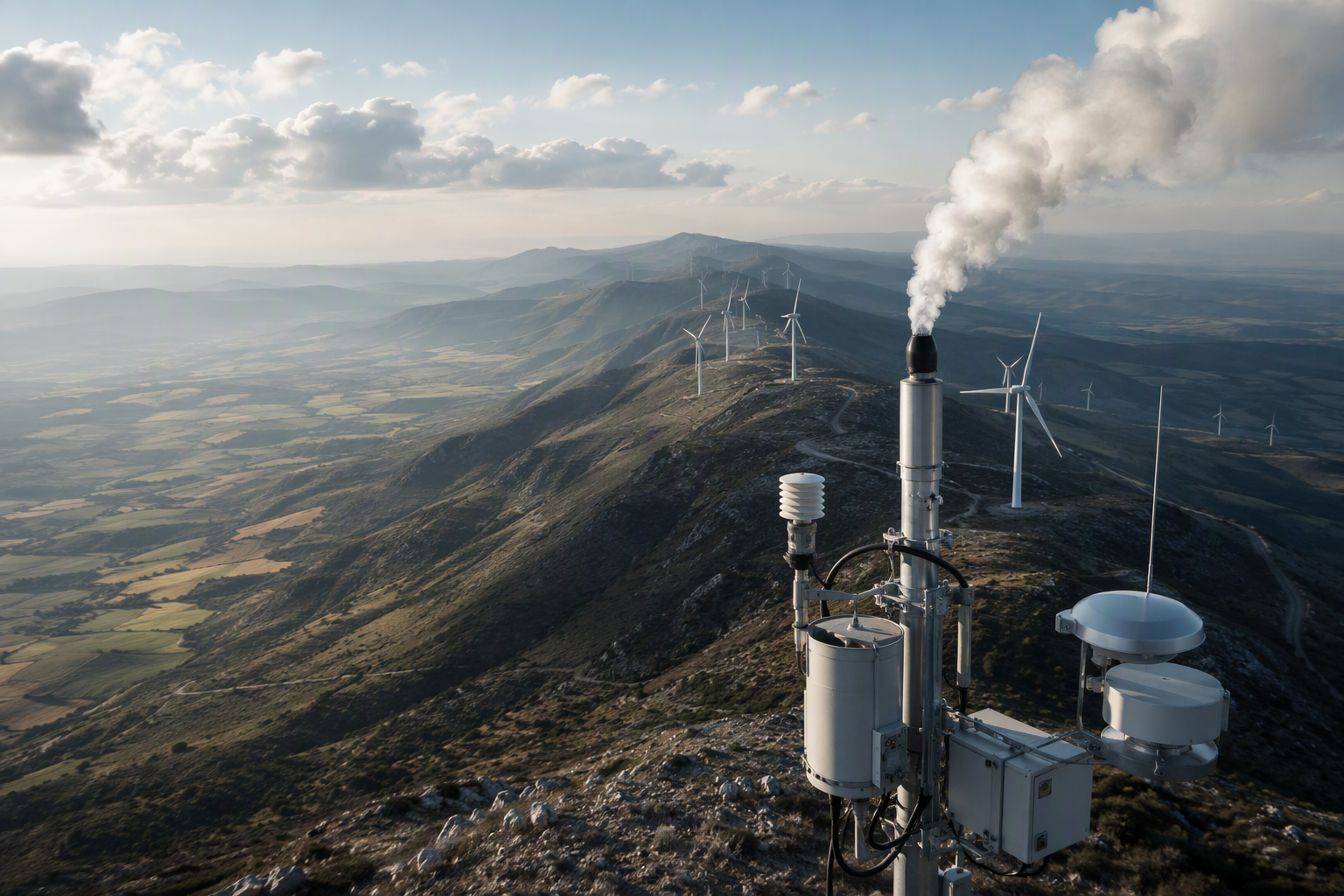
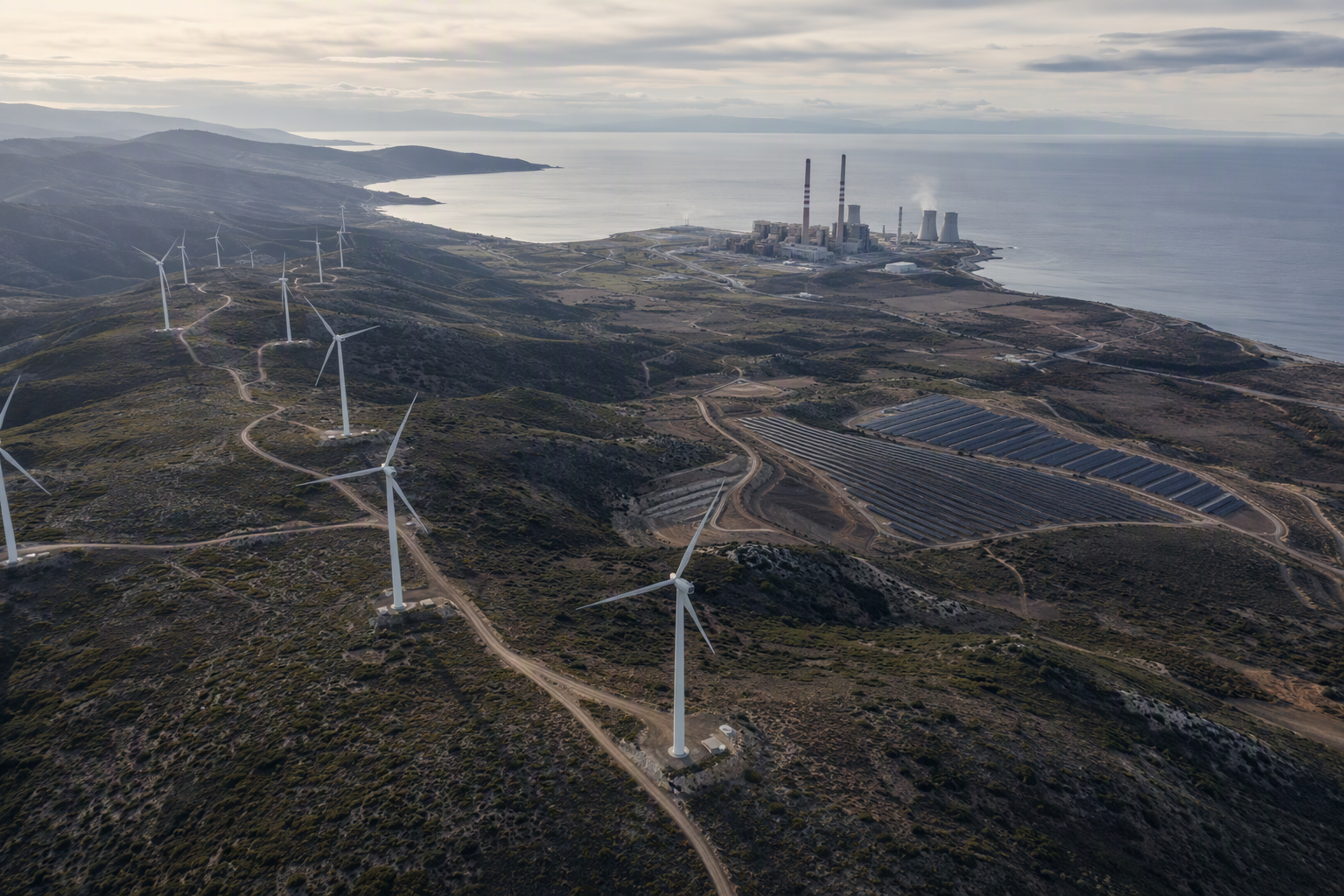
Türkiye’s existing mechanical wind capacity, which exceeds 16 GW, has the potential to lower annual natural-gas import costs by around US$4 billion, based on prevailing energy prices, said İbrahim Erden, chair of the Turkish Wind Energy Association (TÜREB).
Erden said each 1 GW of wind capacity installed in Türkiye can reduce the annual gas-import bill by approximately US$250 million under the same price assumptions. The country’s onshore wind electrical capacity stood at 15.9 GW at the end of October, within total installed power capacity of 126 GW.
Wind generated about 13% of Türkiye’s electricity in August 2026. Renewable sources accounted for more than 40% of national electricity production in recent years and exceeded 60% during the first eight months of 2026, Erden said.
Why it matters
Additional wind generation can displace gas-fired power and reduce exposure to imported fuel, price volatility and disruption risks along major transit routes. For businesses, the expansion of domestic renewable supply could also support electricity availability as demand rises through electrification, electric vehicles, data centres and artificial-intelligence applications.
Türkiye has developed a wind manufacturing base spanning turbines, components and raw materials. The sector earns US$2 billion to US$2.5 billion annually from exports, according to Erden. He said Türkiye is becoming an alternative supplier for Europe as more than 70% of the global wind supply chain is linked to China.
Wind projects under the Renewable Energy Resource Area programme use turbines with a domestic-content rate of 65%, Erden said. The sector employs about 30,000 people in Türkiye, while 75% of manufacturers plan either new investment or capacity expansion within three years.
Background
Türkiye added 2 GW of wind capacity last year, out of 165 GW added globally. Erden said this represented about 1.2% of global additions. Türkiye ranked second in Europe for new onshore wind installations last year, sixth for installed wind capacity and fifth for wind industry activity.
The national energy plan increased the combined 2035 installed-capacity goal for wind and solar to 120 GW in 2024. TÜREB’s target is 48 GW of wind within that total.
What's next
Reaching 120 GW of wind and solar capacity by 2035 would require Türkiye to install roughly 8 GW each year, Erden said. At 48 GW of wind capacity, avoided gas-import expenditure could reach US$10 billion to US$12 billion annually under current price and generation assumptions.
He identified grid investment, faster permitting and access to lower-cost finance as requirements for expansion. The national plan puts grid-financing needs alone at US$24 billion; signed and committed funding from international financial institutions totals US$7.5 billion to US$8 billion. Türkiye also aims to offer investors at least 2.5 GW of wind and solar capacity each year through renewable energy resource area projects.