What happened
Türkiye's Presidency Strategy and Budget Office and Treasury Ministry released the 2027–2029 Medium-Term Programme on 6 September 2026. The plan identifies energy and natural resource supply security as priority areas, with objectives spanning domestic exploration, nuclear expansion, renewable integration and energy storage.
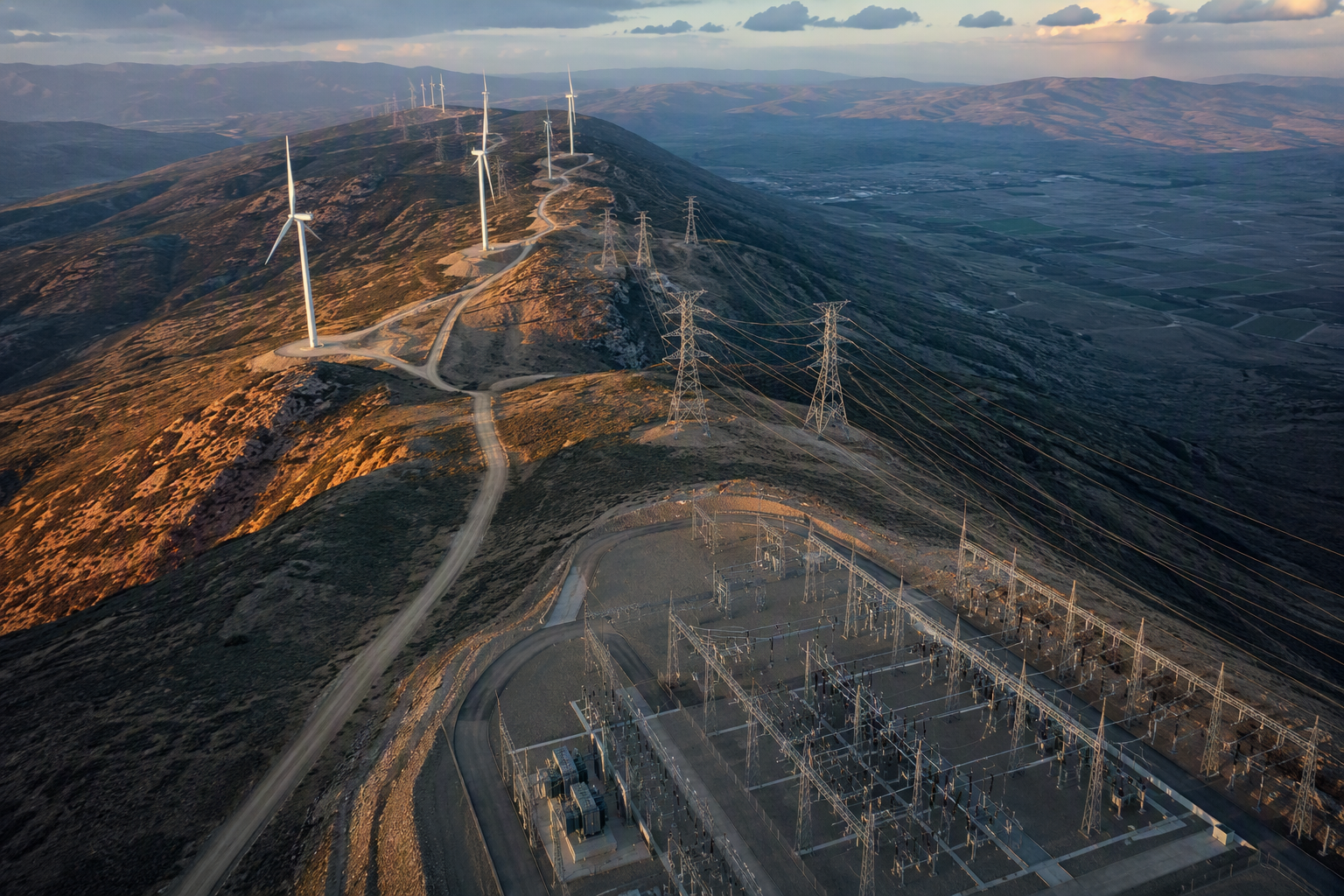
The programme commits to intensifying exploration and production activities for oil, natural gas and mineral resources both domestically and internationally, with the aim of converting reserves into added-value economic contributions. Electricity generated from intermittent sources such as solar and wind will be integrated into the grid through expanded storage capacity to ensure system stability and grid reliability.
Nuclear energy development forms a cornerstone of the strategy. Research and development work will support both domestic and innovative technologies in the nuclear sector, with separate investment in radiation and accelerator-based technologies. New nuclear projects and technology development will increase overall nuclear capacity, whilst domestic content of equipment used in power plants will be raised progressively.
Clean coal technologies will receive research funding covering gasification of domestic coal reserves, carbon capture and utilisation pathways. Hydroelectric capacity will be enhanced through rehabilitation and maintenance activities across generation facilities, including the development of legislative frameworks for pumped-storage hydroelectric plants. Hydrogen value-chain development will be supported through research and innovation activities to position Türkiye as a technology supplier.
Why it matters
Energy import expenditure currently constrains public finances. Programme projections show energy imports declining from an estimated 71 billion dollars in 2026 to 66 billion dollars in 2027, partly reflecting anticipated reductions in oil prices. Reducing external dependence on energy aligns with EU and international climate commitments whilst strengthening domestic supply security and industrial competitiveness. Storage infrastructure is essential for managing variable renewable output and maintaining grid stability—a requirement shared across European energy transition planning. Diversification into nuclear and hydrogen pathways provides medium-term resilience against commodity price volatility.
What's next
Administrative regulations governing grid integration of solar and wind-generated electricity are scheduled for completion in the second quarter of 2027. Regulatory changes addressing critical and strategic minerals import dependency are due in the same period.