What happened
Türkiye plans to release the 2026 Antalya AI Pledge in the coming weeks, ahead of the COP31 climate summit it will host in November. The announcement formed part of the COP31 Action Agenda presentation.
At New York Climate Week, COP31 President and Environment, Urbanisation and Climate Change Minister Murat Kurum said governments should begin setting rules for artificial intelligence and address its rising power demand. Türkiye also announced an AI-Enabled Clean Technologies Initiative. It will assemble AI-based clean-technology projects in priority sectors into portfolios for investors.
According to İklim Haber, the proposed pledge places responsible AI use on the COP31 agenda.
Why it matters
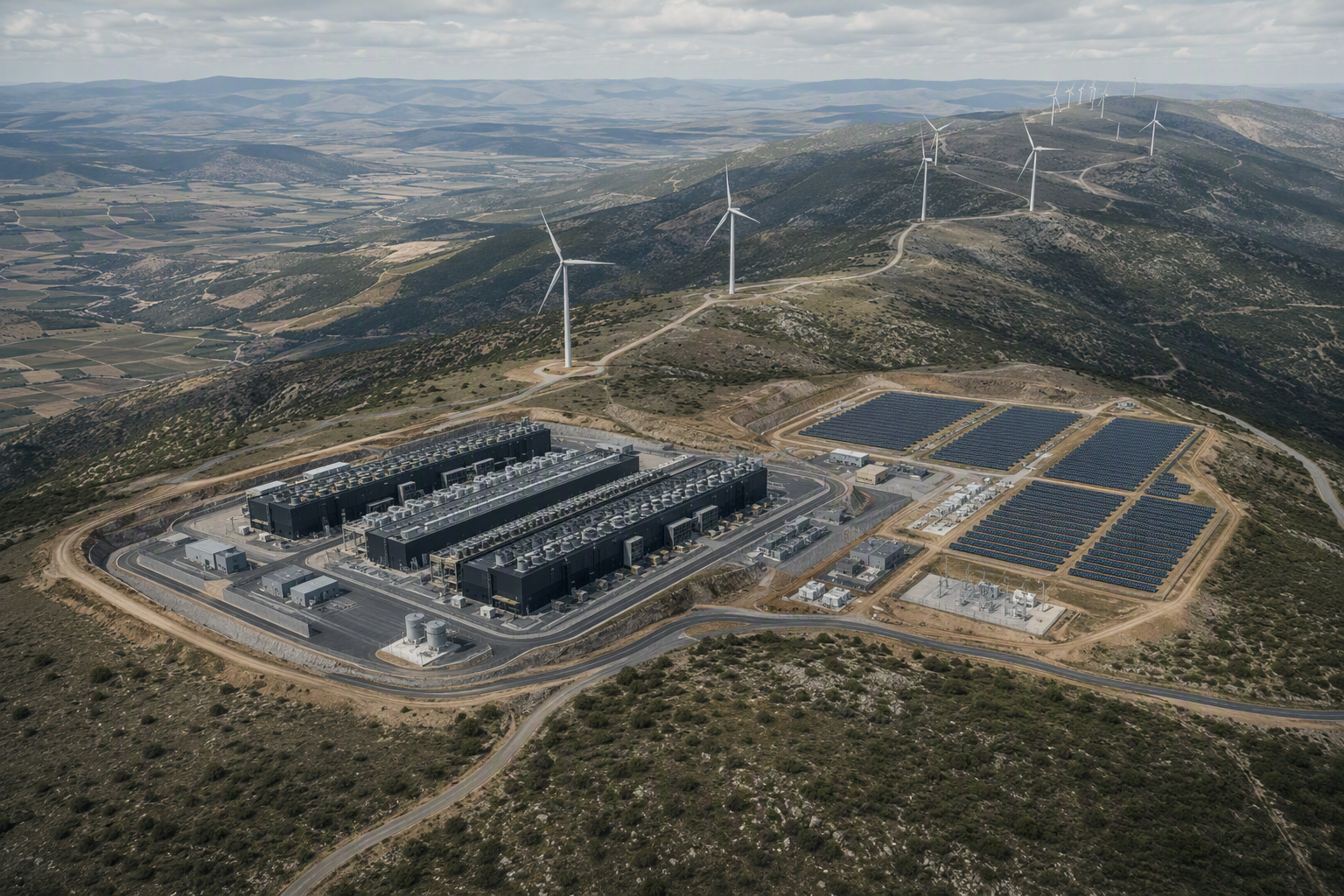
The climate implications of AI extend beyond the electricity consumed by data centres. The International Energy Agency reported that data centres represented 1.5% of global electricity use in 2024 and projected that demand would double by 2030. Their electricity consumption rose by 17% in 2025.
A paper published in npj Climate Action in August 2026 modelled how AI-driven productivity gains could affect both fossil fuels and renewable energy. Across 64 scenarios, emissions fell only where AI did not assist fossil-fuel production.
For businesses in Türkiye’s energy and technology sectors, the policy question is therefore not only the power source behind AI systems. It also concerns whether those systems are used to improve clean-energy deployment or to lower the cost of finding and extracting fossil fuels. The planned project portfolios could create an investment route for AI applications in clean technologies.
Background
The study’s authors argue that AI can raise productivity in both fossil-fuel and renewable-energy activities. In fossil fuels, this can make extraction more efficient and expand economically viable resources. In renewables, it can improve generation forecasts, site selection and operational efficiency.
The research therefore calls for AI-related emissions enabled through its applications to be assessed separately, alongside data-centre energy demand. It finds that clean-energy uses alone may not offset higher emissions if AI continues to support fossil-fuel supply.
What's next
Türkiye is expected to publish the Antalya AI Pledge within weeks. COP31 is scheduled for November, when the pledge and the wider approach to AI’s climate effects are expected to receive further attention.